Find an Online Psychology Program for You
Featured Online Psychology & Counseling Programs
Neuropathology, a subspecialty ofpathologyand neuroscience, requires expertise in diseases of the nervous system. The central nervous system includes the brain, spinal cord, peripheral nerves, and muscles, all of which are subject to disease. The neuropathologist’s job to determine the cause of disease and to help direct the correct course of treatment.
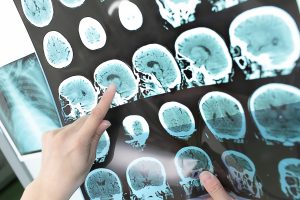
Neuropathology draws from many closely related disciplines, including pathology, neurology, and neurosurgery. Neuropathologists study rare diseases, work with a wide range of patients and other specialists, and add to the growing body of knowledge regarding human anatomy and disease.
Overview of Neuropathology: What Is a Neuropathologist?
The term “neuropathology” has two roots: “neuro,” which means “relating to nerves or the nervous system,” and “pathy,” which denotes a disorder in a particular area of the body. Neuropathology, therefore, is the direct study of diseases in specific parts of the central nervous system.
Neurologists diagnose diseases in the nervous system, and neuropathologists work closely with theneurologist, conducting extensive lab tests. In addition, neuropathologists work with pathologists, who study neural disease as well. However, neuropathology is more specialized than either of those disciplines. All three specialties fight diseases of the central nervous system.
Neuropathologist Job Duties: What Does a Clinical Neuropathologist Do?
To determine the cause of a disease of the nervous system, neuropathologists take a variety of approaches. Typically, they begin with a medical exam, during which they talk with the patient about their symptoms. Next, they may take tissue samples, examine them under a microscope, study blood samples, and perform other routine medical tests.
One of a neuropathologist’s primary responsibilities is to study tissue biopsies to determine the cause of disease. After the discovery of a problem in a patient’s nervous system – resulting from a patient report, examination, X-ray, or another test – a medical specialist requests a biopsy, which he or she gives to a neuropathologist for professional examination and opinion. Biopsies and tissue samples may be taken from tumors, nerves, the brain, the eye, muscles, organ surfaces, or the nerves of the skin.
Someneuropsychologistshave a background inclinical psychologyandpsychiatry, which helps them determine how nervous system pathologies affect specific mental or emotional problems. This background also helps them determine the effects of medications on these types of disorders.
A forensic neuropathologist, an even more specific neurological subgroup, conducts autopsies. In this position, the primarily task is to seek evidence as to how neurological diseases affected the body and caused death. These neuropathologists, like others in the field, consult with other medical professionals to inform specific cases and to advance overall knowledge in the field. Many consult with surgeons to help guide surgical procedures.
An effective neuropathologist must possess many qualifications:
During a typical work day, a neuropathologist must possess the knowledge and skill to address a wide range of pathologies. While these specialists don’t typically see patients on a daily basis, they work with other neuroscientists to identify and help cure diseases, which is a challenging and complex task. Some of the most common diseases addressed include:
Neuropathologist: Work Environment & Populations Served
Neuropathologists usually work in laboratory settings within hospitals, research institutions, or medical universities. They spend much of their time examining tissue and cellular samples to determine the nature of a neurological pathology, which requires a significant amount of labwork. The neuropathologist may have a small team of assistants, although in some cases, he or she may work alone or with neuroscience peers.
Neuropathologists specialize in various sub-areas. They may examine postmortem tissue from organ donors. Forensic neuropathologists find work at morgues or coroner’s offices, where they examine those who have died unexpectedly or from known or unknown neurological disorders. Others may specialize in examining tissues removed during surgical procedures.
Neuropathologists serve a variety of populations, though many concentrate in specific areas to deepen their expertise. Some, for instance, work with Alzheimer’s patients. As a poorly understood but widely prevalent disease, considerable opportunity exists to specialize in this field. Others may work with children, the elderly, or populations that exhibit particular symptoms or diseases.
Neuropathology Salary & Employment Outlook
Those working in medical and diagnostic laboratories take home an average salary of $102,280, while those working for scientific research and development companies earn a higher average salary at $121,210.
Neuropathology Jobs & Job Description
Clinical Neuropathology Degrees & Education
Neuropathologists are medical doctors. The would-be neuropathologist must earn a doctor of medicine degree after acquiring a bachelor’s degree in a related field – usually biology or pre-med – and then apply to medical school.
To gain acceptance into medical school, however, potential neuropathologists must satisfy a number of requirements. Firstly, they must have earned the required number of requisite credits in undergraduate school, usually consisting of a combination of chemistry, biology, and physics; anatomy and physiology; and, often, the soft sciences as well, such as psychology and sociology. After completing an undergraduate degree, the student must take and pass the Medical College Admission Test, or MCAT.
After medical school is complete, neuropathologists must undergo at least three years of residency, gaining valuable work experience that will enable them to run their own practices or oversee other medical professionals in a hospital setting. A fellowship following residency can open more doors in the neuropathology field, specifically, and the medical field as a whole.
External Resources and Organizations for Neuropathology
2022 US Bureau of Labor Statistics job market trends and salary figures formedical scientistsare based on national data, not school-specific information. Conditions in your area may vary. Data accessed July 2023.
Related Articles
Related CareersCareer As A Cognitive PsychologistWhat Is Criminal Psychology? How to Begin Your CareerBecoming a Health PsychologistRehabilitation Psychology CareersHow to Start a Forensic Psychology CareerApplied Psychology CareersChild and Developmental Psychology CareersMilitary Psychology CareersPolice Psychology CareersNavy Psychology CareersCultural Psychology CareersPsychometrician CareersCareers in NeurologyGeropsychology CareersBecome a Social GerontologistPositive Psychology CareersGet Started in an Army Psychologist CareerIndustrial & Organizational Psychology CareersConsumer Psychology CareersCounseling Psychology CareersPsychological Anthropology CareersMedia Psychology CareersAirforce Psychologist CareerCommunity Psychology CareersBecome a GerontologistBecoming an Environmental PsychologistEducational Psychology CareersCareers in Personnel PsychologyHow to Start a Career as a Child PsychologistSpiritual Psychology CareersHow to Start a Career as a School PsychologistPsychiatry CareersComparative Psychology CareersCareers in Cognitive NeuroscienceSocial Psychology CareersExperimental Psychology CareersGeriatric Psychology CareersEngineering Psychology CareersHow to Become a Clinical PsychologistHow to Become a Neuropsychologist: Your Complete Guide to Degrees & Careers in NeuropsychologySports Psychology Degrees & CareersBecome a Biogerontologist
Related Careers