Log In
0%complete
I’m not a psychiatrist, nor am I a medical professional. But I have a tool for you to begin assessing your mental health and whether you may be experiencing depression. This tool, the Beck Depression Inventory, is one of the top tools used to assess a person’s mental health and determine whether they are experiencing depression.
If this sounds like you and you are worried about your mental health, know that you’re not alone. Emergency hotlines have been experiencing high call volumes since the turn of the decade. These resources are free to use and often confidential. But is it time for you to seek help? Are you simply going through routine “ups and downs,” or could your feelings be a symptom of a more serious mood disorder?
What Is the Beck Depression Inventory?What Is Depression?What Are the Symptoms of Depression?If You Are Experiencing Thoughts of Suicide or Self-Harm…What Does Depression Feel Like? (Examples)Different Types of DepressionDepression vs. GriefAre Depression and Anxiety the Same Thing?Psychoanalysis and CBTAbout the Beck Depression Inventory (Cost and Validity)How to Use The Beck Depression Inventory Score
What Is the Beck Depression Inventory?
What Is Depression?
What Are the Symptoms of Depression?
If You Are Experiencing Thoughts of Suicide or Self-Harm…
What Does Depression Feel Like? (Examples)
Different Types of Depression
Depression vs. Grief
Are Depression and Anxiety the Same Thing?
Psychoanalysis and CBT
About the Beck Depression Inventory (Cost and Validity)
How to Use The Beck Depression Inventory Score
The Beck Depression Inventory marked a significant shift in the way that therapists assessed someone for mood disorders, as well as recognizing the causes of those disorders.
Depression is a term for a group of medical illnesses that affects mood, behavior, and quality of life. A person with any type of depression may experience prolonged feelings of sadness, loss of interest in life, or reduced self-esteem. Symptoms can last for a few weeks or an entire life.
Fortunately, depression is treatable. A range of treatments can manage symptoms of depression, but this starts with recognizing and properly diagnosing a person.
If you experience these symptoms consistently for more than two weeks, you may be diagnosed with depression. Other medical illnesses may mimic the same symptoms, so your doctor may try to rule those illnesses out before proceeding with treatment.
If left untreated, depression can also affect the physical body. Lack of sleep, the rewiring of the brain, and changes in appetite can result in symptoms including:
Please reach out to a professional medical professional or hotline. Most hotlines are available 24/7 and offer confidential resources for you to talk through your symptoms and find treatment options:
Jenna doesn’t ever want to get out of bed and when she wakes up, she finds no motivation to do anything: clean, cook, hang out with her friends, etc. Even her favorite hobbies, like art or crafting, don’t appeal to her. As she spends more and more time in bed, she feels more miserable. Her friends start to get concerned that they haven’t seen her in a while and reach out to get her help.
Mark gets irritable, often. Every person and event in his life, from his colleagues at work to neighbors, seems to be unbearable to him. But he has the feeling that this is never going to change, and that he is going to spend the rest of his life annoyed and feeling worthless. When he is not irritable, he is sad and unmotivated.
Symptoms may look slightly different or coincide with other symptoms. A licensed medical professional can help you determine which of these illnesses you may be experiencing.
Clinical depression
Clinical depression, also known as major depression or major depressive disorder, is probably what you think about when you hear the word “depression.” This depression is not tied to events like the death of a loved one or the birth of a child. People of any age, including children, may experience clinical depression.
Persistent depressive disorder (dysthymia)
Dysthymia is a mild, but persistent, form of depression. People with persistent depressive disorder may not experience thoughts of suicide or self-harm, but their loss of interest or chronic fatigue may hold them back from doing the things they love.
Bipolar disorder (manic depression)
People diagnosed with bipolar disorderwillexperience manic episodes, but may or may not experience depressive episodes.
Bipolar II disorder
People diagnosed with bipolar II disorderwillexperience depressive episodes, but may or may not experience manic episodes. Or, their manic episodes may be less severe. There is no “cure” for bipolar or bipolar II disorder, and treatments look different than those for clinical or persistent depressive disorder.
Postpartum depression
Grief is a feeling that many people experience after loss. Typically, this loss is death (death of a loved one, death of a pet, etc.) but other types of loss (loss of a job, loss of a friendship) may also bring grief. The symptoms of grief mimic depression. If a person isolates themselves or does not seek support after a loss,their symptoms may become a depressive disorder. Medical health professionals in your area may specialize in grief counseling and help you understand and manage your symptoms. Although depression often lasts longer than two weeks at a time, grief can come in waves over the course of many years.
Just like depression, anxiety is an umbrella term that covers many different diagnoses. A person who experiences symptoms of anxiety may be diagnosed with panic disorder, generalized anxiety disorder, phobias, and more.
Before Beck came along,psychoanalysiswas at the forefront of psychology. Freud believed that mood disorders and other symptoms were the results of trauma and experiences found in a person’s unconscious mind. All negative behaviors could point back to the unconscious mind. A therapist would use word association, dream interpretation, and other methods to uncover what was hiding in the unconscious. By unpacking these experiences, the patient may be cured of the mood disorder, and they would no longer think negatively about themselves or the world.
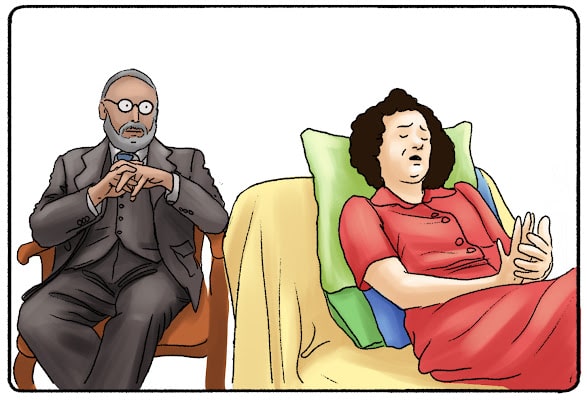 therapy
But Beck had a different theory as to what caused symptoms of depression and other mood disorders. He didn’t believe that the mood disorder caused someone to think bad things. He believed that these bad thoughts caused the mood disorder.
For example, let’s say someone were to begin thinking “I have made so many mistakes.” They think it over and over, and every time they encounter an opportunity, they think to themselves, “I will just make another mistake.” Beck believed that these thought patterns led to depression.
This was revolutionary at the time. Therapists began to replace psychoanalysis withcognitive behavioral therapy(CBT.)Instead of unpacking a patient’s dreams, they would discover how the patient was talking to themselves. They would look at the ways that the patient perceives certain situations and reflects on their past experiences. Using this information, they could make diagnoses, offer tools, and show a patient how their negative thoughts were causing negative moods and symptoms.
If you go to a therapist today, you will likely go through a similar experience, and for that you can thank Aaron T.Beck.
About the Beck Depression Inventory (Cost and Validity)
The current version of the Beck Depression Inventory is similar to the original version created in 1961, but it has undergone some changes. New versions of the BDI were published in both 1978 and 1996. Experts recommend this tool primarily for adolescents over the age of 13, but it can also be used to assess an adult’s feelings and potential mood disorder. Use it for free on this website or online and explore your symptoms.
All versions are a self-assessment with 21 questions. Each question consists of four statements, each corresponding with a number from 0-3.
Here’s an example of one of the questions:
Keep track of your answers and add them up at the end. The results will either suggest that you are experiencing:
There is no need to take the test again and again throughout the week. Even if you are going through general “ups and downs,” you will likely get the same answer if you take the test the next day or the day after.
Total ScoreLevel of Depression1-10Normal Ups and Downs11-16Mild Mood Disturbance17-20Borderline Clinical Depression21-30Moderate Depression31-40Severe Depression40+Extreme Depression
Normal Ups and Downs
11-16
Mild Mood Disturbance
17-20
Borderline Clinical Depression
21-30
Moderate Depression
31-40
Severe Depression
40+
Extreme Depression
The Beck Depression Inventory has been considered extremely reliable, even after it has been translated and distributed around the world.
Your score might surprise you. It might also reveal something that you might have been thinking about, but were nervous to admit. Continue totrack your scorethroughout the year to understand how seasons and life events may affect your mood.
If your score suggests that you are moderately or severely depressed, do not feel guilty asking for help. Do not feel ashamed. The state of the world, the pressure to isolate, and general stress can have serious effects. You are not weak for feeling hopeless, pessimistic, or sad during these times.
There are many ways to seek treatment for depression and other mood disorders. You can search online for a therapist near you. You can use an app like BetterHealth or Talkspace to reach a professional without leaving your home. If you prefer to be in a group setting, consider looking up support groups in your area.
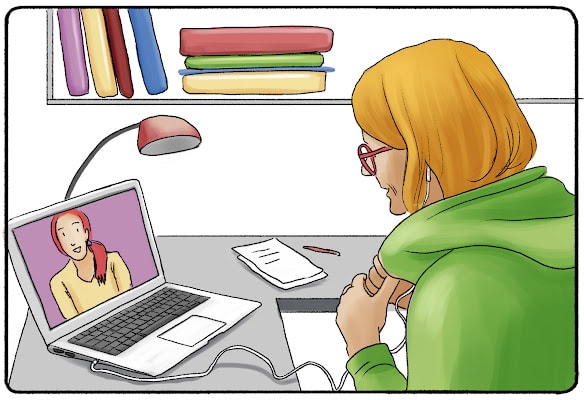 online therapy
In the meantime, take a look at yourroutine. Are you exercising? Are you taking time to connect with friends and family? Do you have time to read, write, or indulge in hobbies? Small changes to your routine could help you enjoy the day a little bit more.
Related posts:The Psychology of Long Distance RelationshipsThe 10 Personality Disorders (Clusters A, B, C)Operant Conditioning (Examples + Research)Variable Interval Reinforcement Schedule (Examples)Mood Tracker List (Charts, Apps, Websites)
Related posts:
Reference this article:Practical Psychology. (2020, June).Beck’s Depression Inventory (BDI Test).Retrieved from https://practicalpie.com/becks-depression-inventory/.Practical Psychology. (2020, June). Beck’s Depression Inventory (BDI Test). Retrieved from https://practicalpie.com/becks-depression-inventory/.Copy
Reference this article:
Practical Psychology. (2020, June).Beck’s Depression Inventory (BDI Test).Retrieved from https://practicalpie.com/becks-depression-inventory/.Practical Psychology. (2020, June). Beck’s Depression Inventory (BDI Test). Retrieved from https://practicalpie.com/becks-depression-inventory/.Copy
Copy
