Have you ever heard someone say their significant other is “afraid of commitment?” It’s a common issue among couples in movies and television. The person is aloof or puts off taking the plunge, even when they are tied down to their significant other. Things don’t always go well if they are paired up with someone who is more “clingy” or needs validation.
Clinginess, fear of commitment, and many other common relationship issues may come from how a person was raised. Psychologists have done decades of work observing and studying how people formattachment styleswhen they are younger. These attachment styles heavily influence how the person approaches romantic relationships.
There are four attachment styles:secure, anxious, avoidant, and disorganized. Commitment-phobes fall under the avoidant category. If you identify with this attachment style, don’t be ashamed. There are ways to become more secure and open to relationships, but it may take time and inner work.
Where Does an Avoidant Attachment Come From?Characteristics of Avoidant Attachment in Strange Situation ProcedureSigns of Avoidant Attachment in AdultsAvoidant Attachment and Long-Term Relationships
Where Does an Avoidant Attachment Come From?
Characteristics of Avoidant Attachment in Strange Situation Procedure
Signs of Avoidant Attachment in Adults
Avoidant Attachment and Long-Term Relationships
As a child, you look to your parents to fulfill your needs. After all, you don’t know how to cook your own food. You may not understand all of your emotions. Without your parent present, you may not feel safe or secure.
 child forming avoidant attachment style
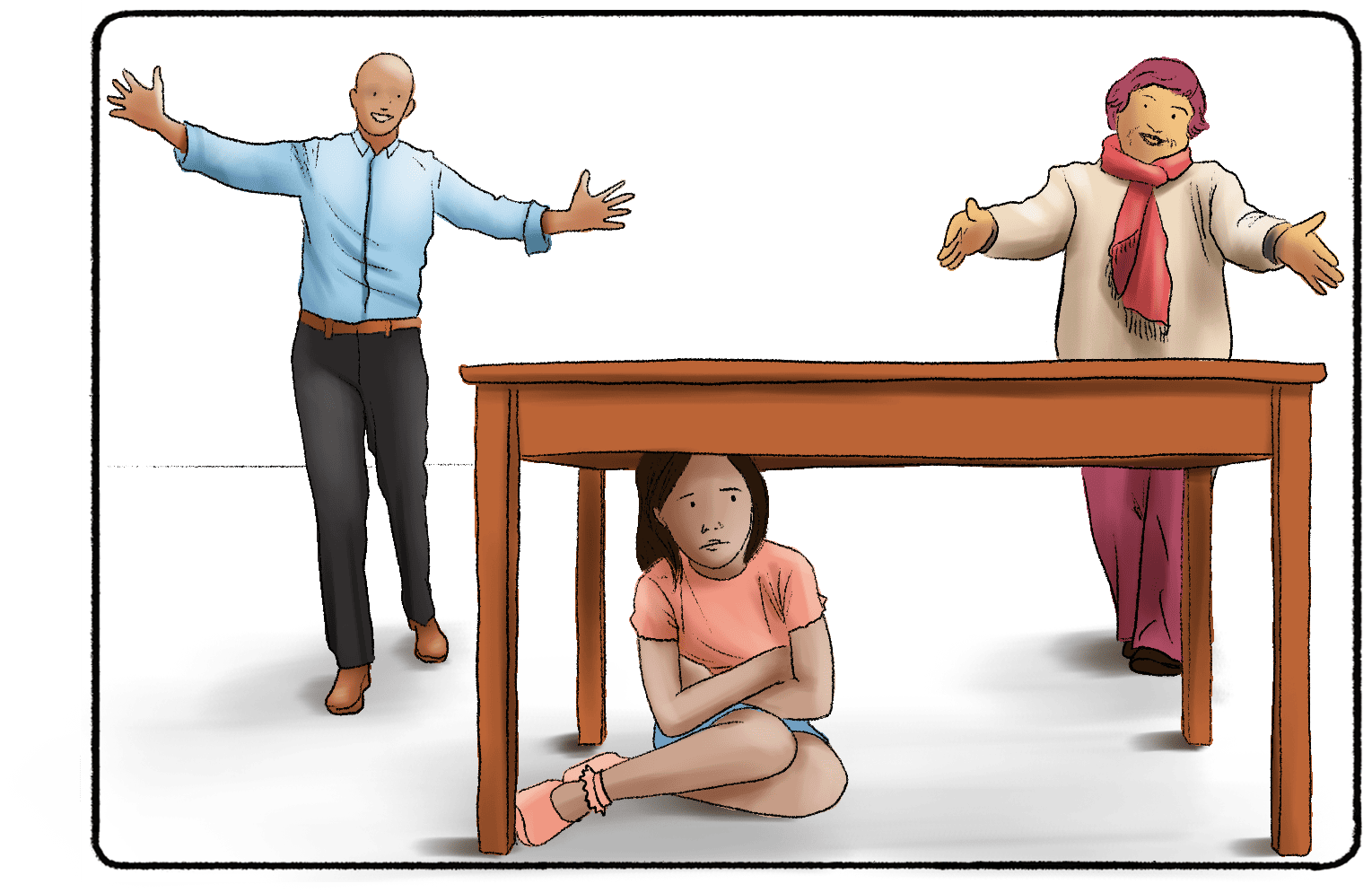
Some parents are excellent at providing their children with everything they need. Other parents struggle with this. They may not be “bad” parents. Hectic work schedules, emotional distress, or cultural factors may prevent the parent from being a loving, doting figure in the child’s life. Even if the parent’s intentions are good, the outcome often leaves the child with unfulfilled needs.
What does the child do? They learn to suppress their needs and emotions. The child does not believe they will receive what they want when they ask, so they don’t ask for anything. To cope, they learn to disconnect from themselves.
These behaviors tend to carry over until the child’s adulthood.
When psychologist Mary Ainsworth developed the Strange Situation Procedure, she only meant to observe a child’s behavior and attachment style. But her findings reflect how adults treat their partners as well. 15% of children in the Strange Situation procedure acted in the Avoidant Attachment style:
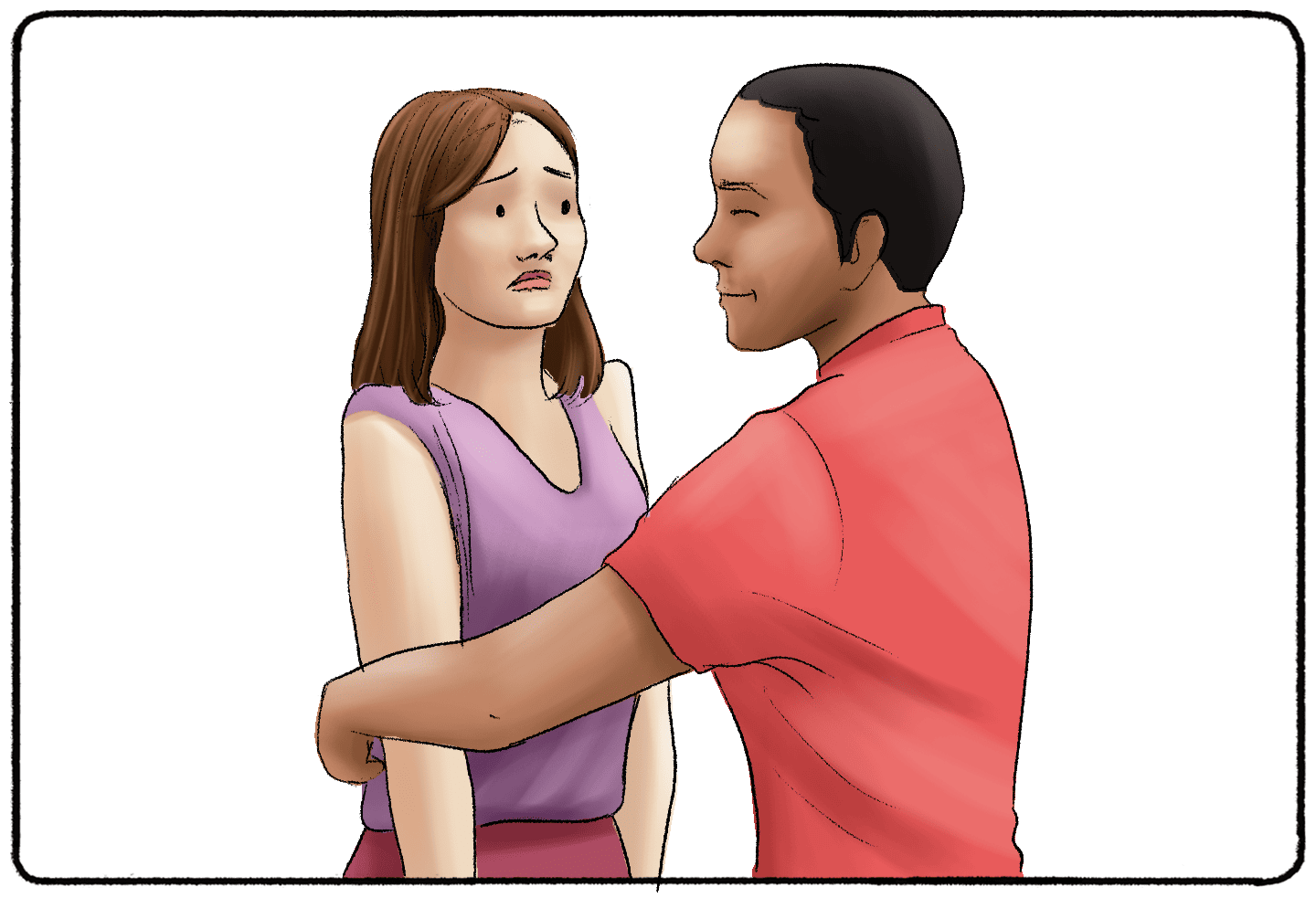
These signs may pop up before a person enters a relationship or as they are getting ready to “take the next steps.” It may be hard for someone with this attachment style to “make the first move.” After all, they had spent their childhood suppressing their desire to ask for things.
Avoidant attachment styles may also appear as “going with the flow.” When someone comes across a decision or behavior they don’t like, they don’t try to fix or solve the situation. They simply keep their concerns hidden. While this may not be a big deal at first, eventually, the person may “snap” and walk away from the relationship altogether. The relationship may have been able to be fixed if the person made their needs known.
Understanding the intricacies of avoidant attachment is crucial for personal growth and fostering healthier long-term relationships. Here’s a deeper dive into how this attachment style might manifest in adult relationships, especially marriages and parenting:
Long-Term Relationships and Marriage
In marriages or long-term partnerships, someone with an avoidant attachment style might find it challenging to fully commit or trust their partner, even if they have been together for years. They may:
Parenting and Avoidant Attachment
When it comes to parenting, an avoidantly attached individual might face unique challenges:
Acknowledging and Adjusting Anxious Attachment
There is no reason to be ashamed or upset if these behaviors sound like you. Attachment styles are usually formed without the child’s knowledge. Even the parents may not realize how their behavior is influencing their child or the impact they can have on their child’s adult relationships.
If you want to see a change in how you approach relationships, you can turn an insecure attachment style into a secure one.
The first step is acknowledging that this attachment style may influence your mindset and behavior in a relationship. Do you think your partner will laugh at your concerns, needs, or wants? Does conflict make you extremely nervous? Are you worried that making a commitment will only disappoint you in the end?
Acknowledge these fears. Tell your partner about them, even if it means facing your fears head-on. When you open the door to dialogue, you may learn something you didn’t know before.
When your needs are not met as a child, you may develop the idea that your needsshouldn’tbe met. Asking for what you want is setting yourself up for disappointment and unnecessary or selfish behavior.
It’s time to change those beliefs. Have compassion for yourself and remind yourself that your needs are important. Some people want to help you feel supported, satisfied, and safe. But they won’t know exactly what you need until you ask or communicate your feelings.
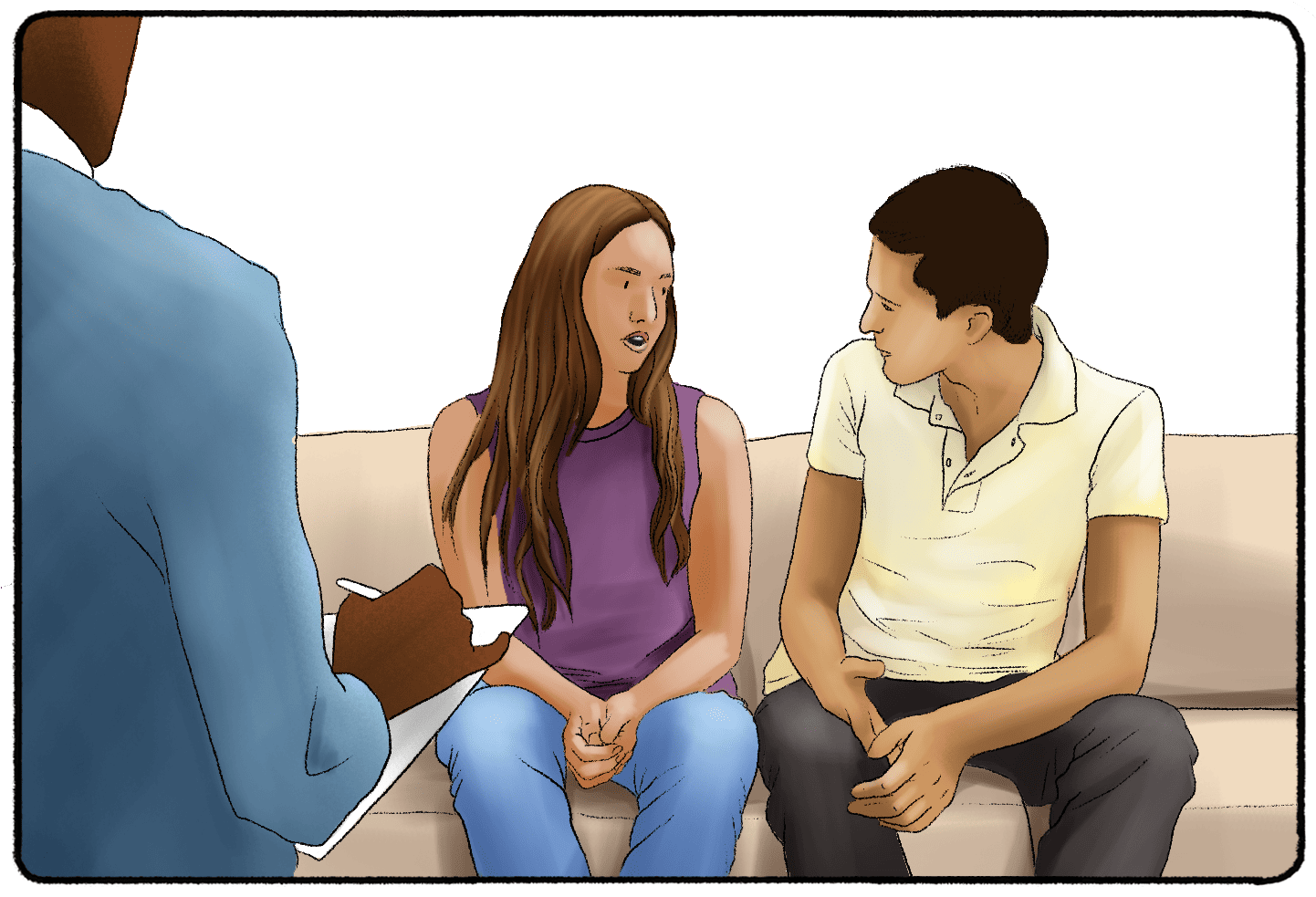
Asking for help is not something associated with the avoidant attachment style. In fact, people who identify with this style tend to do the opposite. But asking for help may be the key to overcoming avoidant behaviors and getting what you want. Reach out to a therapist or mental health professional. Since attachment styles start young, unraveling these behaviors and fears may take much inner work. This work is best done with a professional.
Related posts:Attachment Styles Theory (Free Test)Abandonment Issues (Examples, Causes, and Treatment)The Psychology of Long Distance RelationshipsOperant Conditioning (Examples + Research)Trust vs Mistrust (Psychosocial Stage 1 Examples)
Related posts:
Reference this article:Practical Psychology. (2020, January).Avoidant Attachment Style.Retrieved from https://practicalpie.com/avoidant-attachment-style/.Practical Psychology. (2020, January). Avoidant Attachment Style. Retrieved from https://practicalpie.com/avoidant-attachment-style/.Copy
Reference this article:
Practical Psychology. (2020, January).Avoidant Attachment Style.Retrieved from https://practicalpie.com/avoidant-attachment-style/.Practical Psychology. (2020, January). Avoidant Attachment Style. Retrieved from https://practicalpie.com/avoidant-attachment-style/.Copy
Copy
