Erik and Joan Erikson developed eight stages of psychosocial development that outline each person’s crises. The second psychosocial stage is autonomy vs. shame, also known as autonomy vs. shame and doubt.
What Is Autonomy vs. Shame and Doubt?Preparing For Autonomy vs. Shame and DoubtHow Do Children Develop Autonomy?How Can Parents Encourage Autonomy?Example of Autonomy vs. Shame in PsychologySkills Developed During Stage 2 of the Psychosocial Stage of DevelopmentAutonomy vs. Shame and Doubt Compared to Other Stages of DevelopmentLawrence Kohlberg’s Stages of Moral DevelopmentPreparing for the Next Stage of Development
What Is Autonomy vs. Shame and Doubt?
Preparing For Autonomy vs. Shame and Doubt
How Do Children Develop Autonomy?
How Can Parents Encourage Autonomy?
Example of Autonomy vs. Shame in Psychology
Skills Developed During Stage 2 of the Psychosocial Stage of Development
Autonomy vs. Shame and Doubt Compared to Other Stages of Development
Lawrence Kohlberg’s Stages of Moral Development
Preparing for the Next Stage of Development
Autonomy vs. Shame is the second psychological crisis a child experiences in their psychosocial development. The first is Trust vs. Mistrust, which occurs starting at birth. This second stage occurs between 18 months and three years of age.
As infants become toddlers, they explore many things outside their social development. They are learning to walk, crawl, eat independently, and communicate their needs. With these new abilities come new choices. Do they walk away from their mother to explore the house or go to their mother for guidance? Should they communicate when they need to use the bathroom? Can they refuse food if they are not hungry or ask for it when they are? They develop autonomy, shame, and doubt as they answer these questions for themselves and face various repercussions or rewards.
Before this stage begins, the toddler is an infant and, for the most part, helpless. The “trust vs. mistrust” stage forces them to explore trust or mistrust with their parental figures. The parent must meet the child’s needs during this time: food, water, shelter, warmth, comfort, etc. If the child is in need, they will cry for attention. It is then up to the parent to fulfill those needs and show the child they can be trusted.
Going into Stage 2, a child should feel comfortable enough to take risks and try new things, knowing their needs will ultimately be met.
When a child is encouraged to make these decisions on their own, they gain a sense of autonomy. Autonomy is a state of self-governance. If a child feels comfortable making decisions for themselves about their needs, they have a sense of autonomy.
Autonomy gives someone independence. If a child is comfortable with self-governance, they can explore making decisions without relying on a parent. This will carry them into later stages in life, where they have to make more and more decisions for themselves.
 a child in a superman shirt and skirt
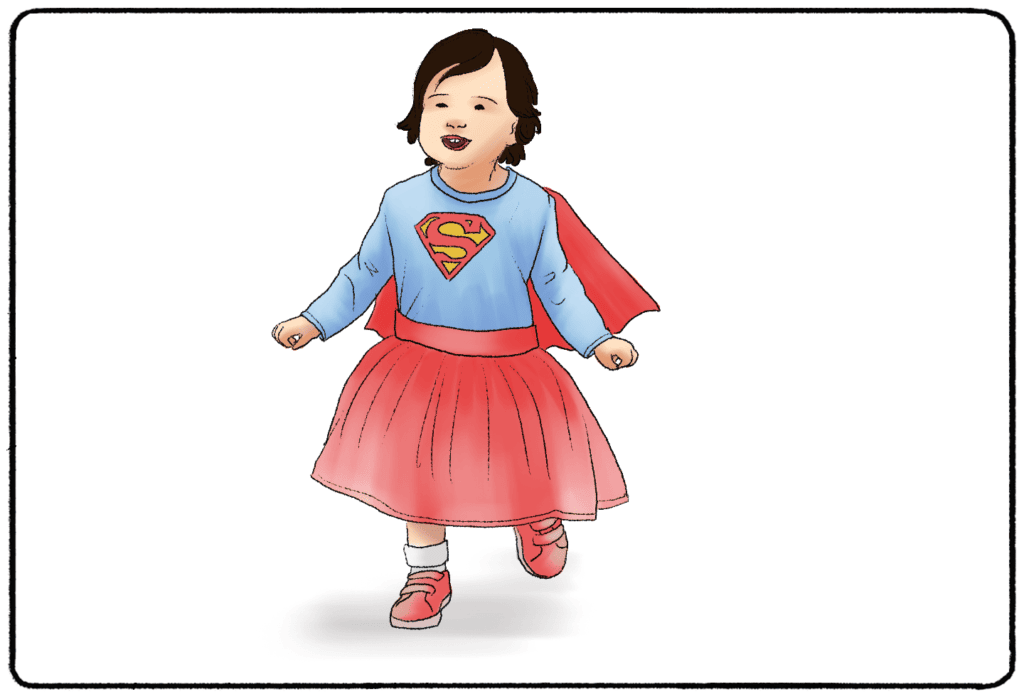
While the mother was pivotal during the initial stage of Psychosocial Development, in Stage 2, both parents play an instrumental role. They can cultivate a child’s budding sense of autonomy or inadvertently sow seeds of shame and doubt if they’re not mindful.
Toilet Training: The Balancing Act
A significant milestone in this stage is toilet training. Children also begin communicating these needs to their caregivers as they recognize their bodily cues. Parents' reactions during this time can lay the foundation for either autonomy or shame.
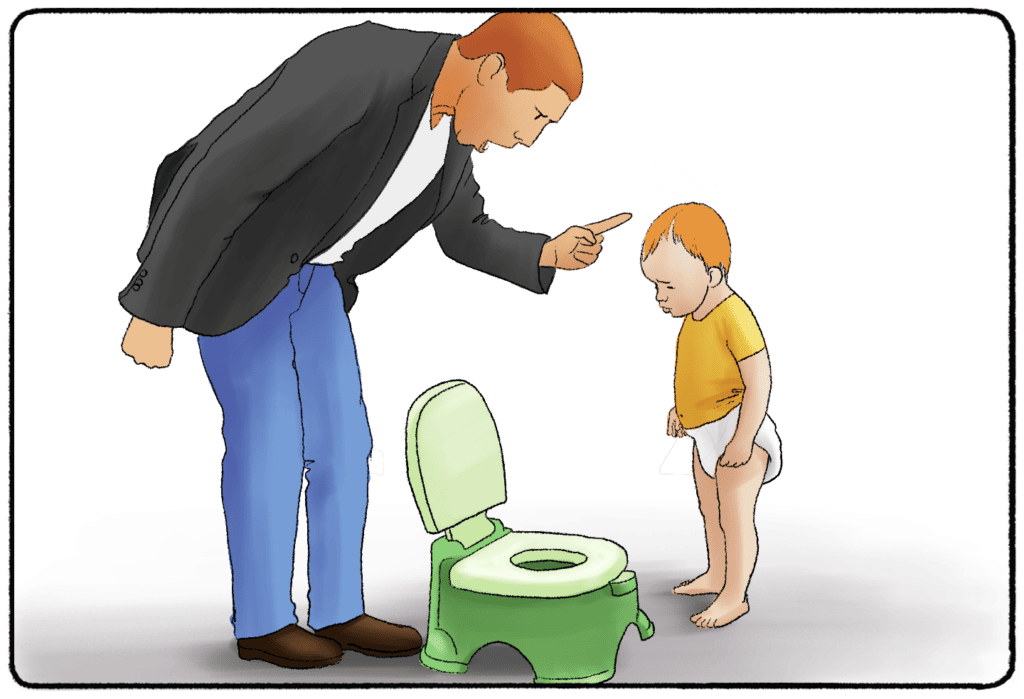
Navigating Daily Choices
The drive towards autonomy extends beyond the bathroom. Children will express preferences in clothing, food, activities, and play as they grow.
Handling Shame and Doubt Proactively
If a child seems hesitant or displays signs of doubt:
Will
When successfully navigated, each stage in Erikson’s psychosocial theory imbues an individual with a virtue—a strength that emerges from successfully resolving the stage’s central conflict. In the case of the second stage, “Autonomy vs. Shame and Doubt,” the virtue acquired is “Will”.
“Will,” in this context, refers to the belief in one’s ability to act with intention, make choices, and exert control over one’s actions. This virtue lays the groundwork for many facets of an individual’s later development:
On the flip side, if this virtue isn’t fully cultivated during the Autonomy vs. Shame and Doubt stage, several challenges can manifest later in life:
The virtue of “Will” is not just a product of childhood development but a foundational element that profoundly influences an individual’s journey through life. Its presence or absence can shape how one interacts with the world, navigates challenges, and perceives oneself.
Later, Seligman put the dogs in another situation in which they received electric shocks. All they had to do was take a few steps to turn the shocks off. He observed that the dogs in the second group I mentioned felt helpless and unwilling to try anything. They assumed they were not in control and that nothing they could do would help the situation.
I mention this now because the second stage of psychosocial development puts children into very similar situations to those dogs. (Of course, no electric shocks are involved.) In the second stage of psychosocial development, children explore whether they are in control. They enter a psychological crisis, leaving it with a sense of autonomy, shame, and doubt.
During this time in a child’s life, they willlearn how to:
They are still unable to:
Remember that autonomy vs shame and doubt occur between 18 months and 3 years old. Child psychologists have always taken an interest in this age. Most development theories have one or two stages that focus on this time period, but not all of them highlight the development of autonomy or shame. Let’s compare Erikson’s observations of children of this age to Freud, Piaget, and other child psychologists.
Sigmund Freud’s Stages of Psychosexual Development
Freud also believed that toilet training was a huge part of a child’s development from ages 18 to 36 months, but not for the reasons you might think. He developed the Stages of Psychosexual Development. At each age, a child’s id is focused on satisfying a different erogenous zone. From 1-3, the id is focused on the anus and bowel movements. This is why Stage 2 of Freud’s Stages of Psychosexual Development is called the “Anal Stage.”
Like Erikson, Freud believed that learning to relieve oneself gives a child a sense of autonomy and independence. He also encouraged parents to appropriately reward their children for using the toilet. Unlike Erikson, Freud predicted specific outcomes if the child faced too much lenience or harsh punishments during this stage of life. Parents and guardians who were too relaxed during this stage may raise an “anal-expulsive” child. The child is disorganized, may have random outbursts of extreme emotion, or is generally a bit careless in their actions.
On the other hand, parents and guardians who are too strict during toilet training may end up with an “anal-retentive” child. (This phrase is more commonly known, probably because it’s less graphic than “anal-expulsive!") An anal-retentive child is anxious, very Type A, and rigid. A child who is on either extreme may develop psychological issues down the line.
Jean Piaget’s Stages of Cognitive Development
Between 18-36 months, a child transitions from Jean Piaget’s Sensorimotor Stage to the Preoperational Stage. Rather than focusing on how the child views their needs, Piaget focused on how the child interacts with the world. The Preoperational Stage is when children begin to understand the world through symbols and play. They might, for example, play with a doll that they label as “mommy” or “me.” In exploring these relationships, they can explore autonomy vs. shame. Although a child is egocentric through the early parts of this stage, they can explore their relationship with others and how they can fulfill their needs rather than relying on someone else.
According to Kohlberg, children are in the first stage of moral development until 9. They are not yet making their own decisions regarding moral vs. immoral. If their parents give them a rule, they follow it “because they said so.” Like Piaget, Kohlberg sees a child at this age as largely egocentric. A child does not see beyond themselves until later in their development. This perspective is addressed in the later stages of Erikson’s stages of psychosocial development, too.
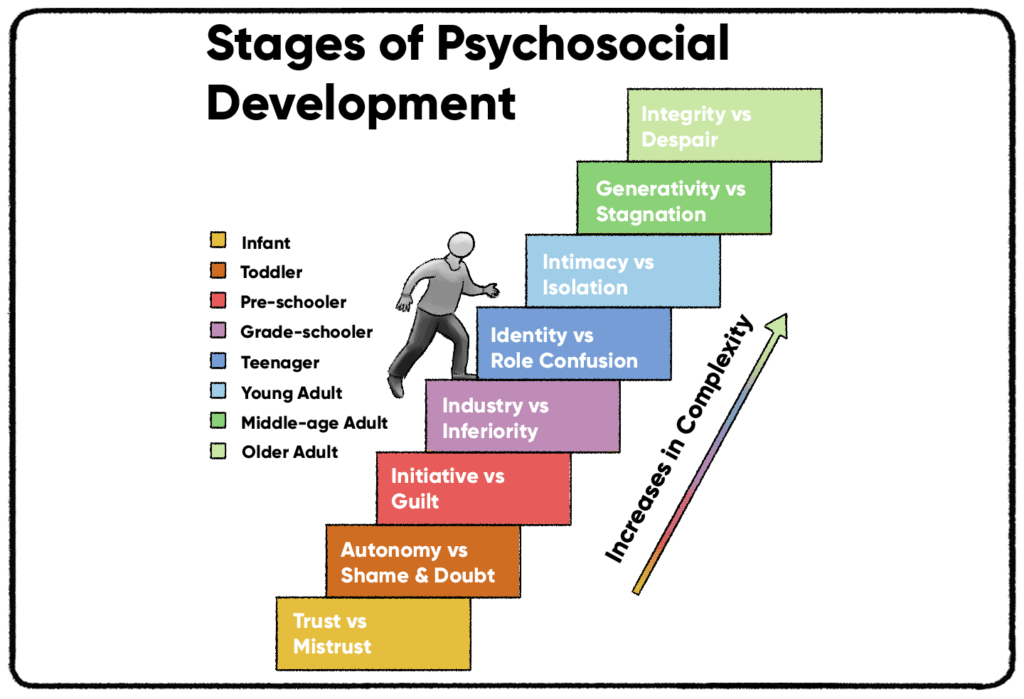
Whether or not the child has developed a sense of autonomy, they move on to their next psychological crisis around age 3. Erikson’s third stage of psychosocial development is “Initiative vs. Guilt.” In this phase, the child will continue to explore their autonomy and how they can begin to fulfill their own needs. In later stages, the child transitions to discovering who they are and how they fit into this world.
All of Erikson’s early stages are building blocks for the later stages. If a child does not trust the world or experience a lot of shame and doubt, they will have a harder time exploring themselves and their place in the world. These early years are crucial to a child’s development.
Related posts:Initiative vs Guilt (Psychosocial Stage 3)Industry vs Inferiority (Psychosocial Stage 4)Erikson’s Stages of Psychosocial DevelopmentFreud’s Psychosexual Stages of Development (Definition and Examples)Erik Erikson’s Biography (Psychologist)
Related posts:
Reference this article:Practical Psychology. (2020, March).Autonomy vs. Shame: Psychosocial Stage 2.Retrieved from https://practicalpie.com/autonomy-vs-shame/.Practical Psychology. (2020, March). Autonomy vs. Shame: Psychosocial Stage 2. Retrieved from https://practicalpie.com/autonomy-vs-shame/.Copy
Reference this article:
Practical Psychology. (2020, March).Autonomy vs. Shame: Psychosocial Stage 2.Retrieved from https://practicalpie.com/autonomy-vs-shame/.Practical Psychology. (2020, March). Autonomy vs. Shame: Psychosocial Stage 2. Retrieved from https://practicalpie.com/autonomy-vs-shame/.Copy
Copy
