In fact, we already try to explain human behavior, without thinking that we are doing so. Have you ever tried to analyze the behavior of the guy that your friend is dating? Or maybe you saw someone running in public and thought, “He must be running from the police.” Maybe your colleague is acting strange, and you think, “They are hiding something from me.”
Humans are meaning-making creatures. And while psychologists attempt to understand and explain behavior, they are also attempting to understand how humans attempt to understand and explain behavior. This process is called attribution. The ways that people explain behavior, and the mistakes they make while doing so, maybe just as insightful as the actual explanations for behavior.
What is Attribution Theory?History of Attribution TheoryExamples of Attribution TheoryAttribution Theory LimitationsCorrespondent Inference TheoryKelley’s Covariation Model
What is Attribution Theory?
History of Attribution Theory
Examples of Attribution Theory
Attribution Theory Limitations
Correspondent Inference Theory
Kelley’s Covariation Model
In psychology, attribution theory looks at the ways that we attribute behavior to others and ourselves. How do we explain when someone is being a jerk or is donating hundreds of thousands of dollars? Attribution theory attempts to walk us through the way we get to our answer.

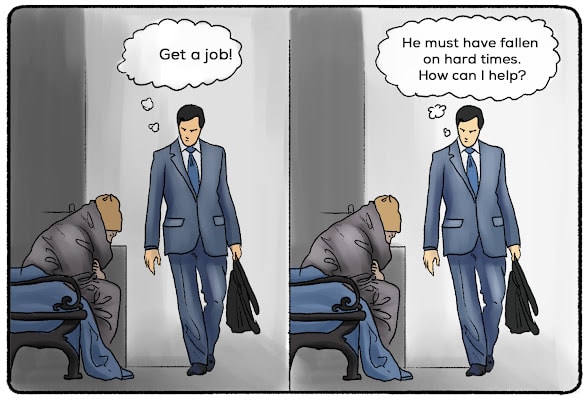
Either process could give you the “right” answer, but attribution focuses more on how people come to these conclusions. For example, theories on actor-observer bias suggest that we are more likely to use internal or external attribution depending on whether we are the person performing a behavior or whether we are observing it.
Other Biases Within Attribution Theory
Actor-observer bias is one bias that skews our thinking. Attribution theory identifies multiple biases and heuristics that may influence our thinking and judgment.
Self-serving bias
Self-serving bias is a bias that influences how we think about our actions, particularly our successes and failures. We attribute our successes to dispositional factors and our failures to situational factors. This can be true. Or, it could be false. Your failures may be the result of dispositional factors and your successes may be the result of situational factors. A mix of factors could contribute to your successes or failures. If you want to understand the causes of your successes and failures, you may want to step back and look at each situation individually. Consider all factors. Even reach out to a mentor who can give you a third-party opinion!
Culture Bias
Culture bias isn’t a bias against someone because of their culture. A person may attribute someone’s behavior through the lens of theirownculture. For example, a person from an individualistic culture like the United States may be more susceptible to self-serving bias. They will see their successes as the result oftheiractions. A person from a collectivist culture may be more likely to attribute their successes to their community.
Cognitive Dissonance Theory
Once we have made a judgment about someone, it’s hard to change that judgment. Cognitive dissonance theory suggests that people feel uncomfortable holding two opposing thoughts in their minds. We may even brush off the opposing information without really weighing it against the currently-held opinion just to avoid this dissonance.
Attribution theory can be applied to so many different areas of life. Every time we watch someone display a behavior, we have the opportunity to explain or make meaning of that behavior through attribution! Let’s look at four areas where we can apply attribution theory: in sports, organizational behavior, in the classroom, or in relationships.
Attribution Theory In Sports
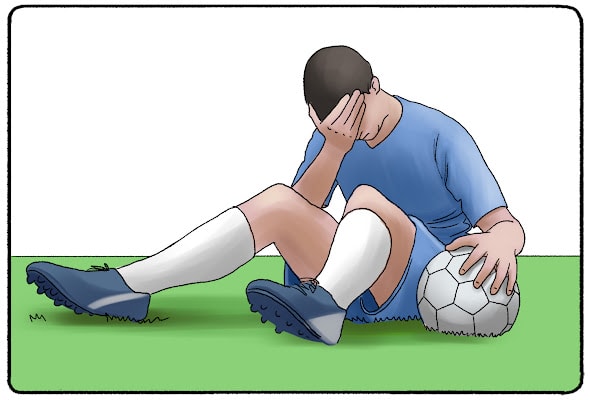
Why did the star player of your favorite team have a bad game? There are many reasons: she’s too old, she is stressed from her recent divorce, she is feeling the pressure of the media, she hasn’t been practicing as much, and the list goes on and on. Understanding attribution theory is crucial for any coach or player who has to understand their team and be able to “get in their head.”
Attribution Theory In Organizational Behavior
Have you ever had a coworker who just couldn’t own what they had done? This can be frustrating and cause a rift in teams! Attribution theory gets to the root of these problems. When each individual is aware of how they attribute behaviors (including owning up to their own,) they are more likely to communicate with their team members and make better judgments.
Attribution Theory In the Classroom
Why do children act out? There are many explanations, depending on the child you are observing, the area you live in, and the workload of the school. Attribution theory may not only help you understand the assumptions you are making about students, but it can also help you step back, come to a more objective conclusion, and take the best steps toward teaching good behavior or remedying any missteps.
Attribution Theory In Relationships
Let’s say you have read a magazine article stating that men get distant right before they want to take the next step in life. You notice that your boyfriend has been displaying distant behaviors and is quieter than usual. You may attribute this behavior to his preparation to propose! He is just naturally nervous before taking this type of step, you tell yourself.
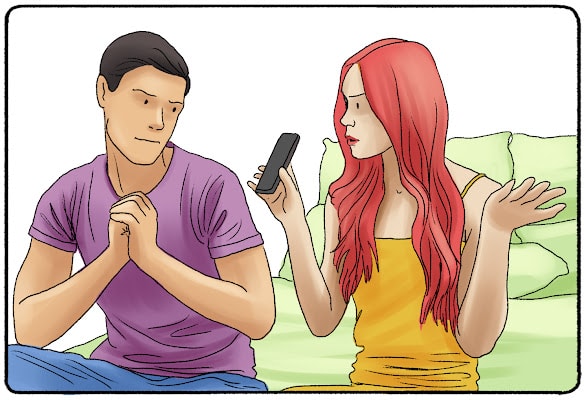
Without reading that magazine article, the boyfriend’s distant behavior may seem strange. Individually, you may attribute his behavior to working long hours and being tired. A friend might hear about this behavior and say that he is just a jerk. (She never liked him.)
Attribution theory looks at all of the assumptions that we make about our friends, partners, and everyone in between. ThisReddit postexplains to men how attribution theory can help them owntheirbehavior more and stop placing unfair blame on their partners.
Like all theories in psychology, attribution theory doesn’t explain everything. Critics of attribution theory claim that it’s reductionist and assumes people are more logical than they might be. Emotions can play a role in attribution. Cultural factors, for example, may shape attribution. If you grow up in a culture that believes that wealthy people are all crooks and greedy, for example, you may be more likely to make certain judgments about a wealthy person’s behavior. Someone who grew up with wealthy people may attribute these behaviors to different factors.
Some attribution theories focus specifically on dispositional attribution. Take, for example, Jones and Davis’ Correspondent Inference Theory (1965.) Jones and Davis believed that we are more likely to use internal attribution under specific circumstances. If a person acted freely and intentionally, we may be more likely to attribute their actions to their character.
Other factors that lead us to make internal attributions. The behavior might be particularly unusual, directed at a person, or may directly harm or help another person.
Let’s say you are walking down the street and hear someone harassing you. It’s not a usual behavior and it is directed at you. You believe that street harassment is done to negatively get a reaction out of people. You are more likely to attribute that behavior to the harasser’s character, rather than some external stimuli that are driving their behavior.
But attribution theory does not stop with the Correspondent Inference Theory. In 1973, Harold Kelley created a model that is arguably one of the most well-known attribution theories.Kelley’s Covariation Modelsuggests that we use three factors to determine if we choose internal or external attribution.
Let’s say you’re at a dinner party and your friend orders very expensive champagne during a night out with other friends. Is this because they prefer the finer things in life, or because external factors are motivating them to do so?
Kelley suggests that you might use the following factors to figure out the answer.
Factors in Kelley’s Covariation Model
Of course, we can’t always use this model with strangers. If a stranger orders very expensive champagne, you can’t just look at every single purchase they’ve made with everyone at their dinner party. In these cases, Kelley suggests that we look to previous experiences and attribute necessary and sufficient causes to the person’s behavior. You might look at the stranger’s fancy suit and assume that he is just a high roller.
Related posts:Situational Attribution (Definition + Examples)Dispositional Attribution (Definition + Examples)Misattribution of Arousal (Definition + Examples)Fundamental Attribution Error (Definition + Examples)Kelley’s Covariation Model (Definition + Examples)
Related posts:
Reference this article:Practical Psychology. (2019, May).Attribution Theory.Retrieved from https://practicalpie.com/attribution-theory/.Practical Psychology. (2019, May). Attribution Theory. Retrieved from https://practicalpie.com/attribution-theory/.Copy
Reference this article:
Practical Psychology. (2019, May).Attribution Theory.Retrieved from https://practicalpie.com/attribution-theory/.Practical Psychology. (2019, May). Attribution Theory. Retrieved from https://practicalpie.com/attribution-theory/.Copy
Copy
