We all know the story of Alice in Wonderland. Alice falls down a rabbit hole and things start to getcrazy.Lewis Carroll’s 1865 book is a classic, inspiring movies and museum exhibits and one of the most famous songs in psychedelic rock. But did you know that there is also a neurological condition named after this novel called Alice in Wonderland Syndrome. If you thought that the book was crazy, just wait until you hear about this!
 alice in wonderland
What Is Alice in Wonderland Syndrome?
Symptoms of Alice in Wonderland Syndrome
Can I Get AIWS?
What Causes AIWS?
How Rare is Alice in Wonderland Syndrome?
Is Alice in Wonderland Syndrome Curable?
What Should I Do If I Have Symptoms of AIWS?
Alice in Wonderland Syndrome is a psychological condition that causes the patient to have a distorted view of reality, specifically in their perspective. People with Alice in Wonderland Syndrome find themselves feeling like they are stuck in this bookeven ifthey didn’t fall down a rabbit hole!
They may think that everything in the room is very large and they are very small. Or, they may think that everything in the room is very small andtheyare very large!
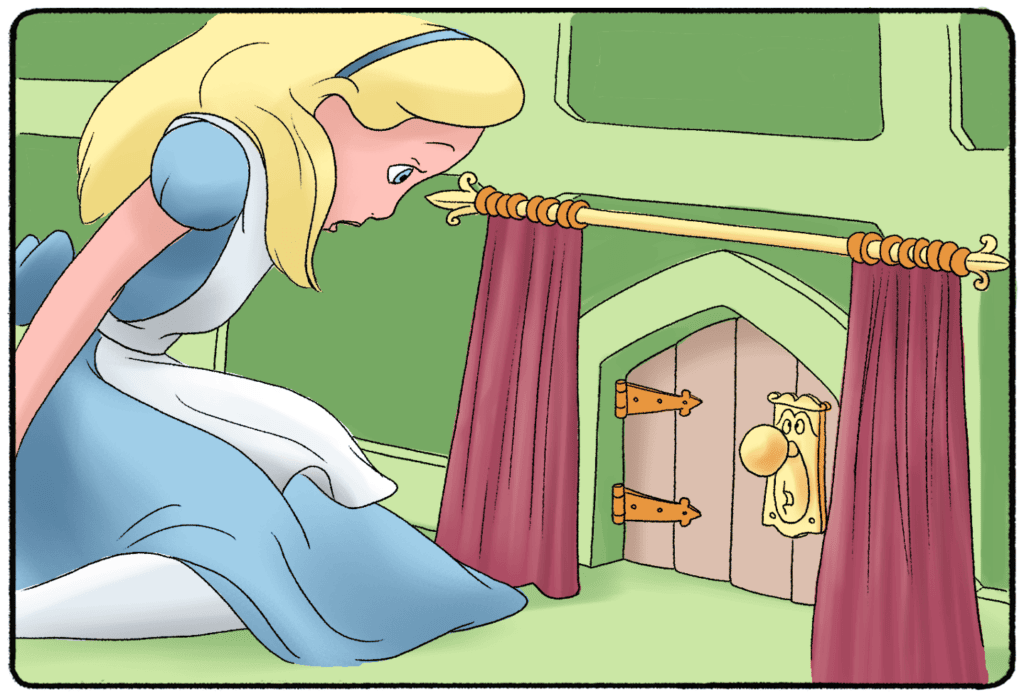
In order to understand Alice in Wonderland Syndrome, you’ll have to think back to the beginning of the book. After Alice falls down the rabbit hole, she finds that she isn’t the right size for everything. Luckily, things change. At one point, she becomes very small and can fit through the tiny door. Soon after, she becomes very large.
While Alice in Wonderland Syndrome is an easy name to remember, it’s not the only term for this type of condition. Alice in Wonderland Syndrome is also known as:
If you are a fan of classic literature, you may recognize that last name. “Lilliputian” refers to the island of Lilliput fromGulliver’s Travels.Everyone on this island is less than six inches tall. Having a single “Lilliputian hallucination” doesn’t mean that you have Alice in Wonderland Syndrome, but it is worth mentioning to your doctor.
If you have Alice in Wonderland Syndrome, you may see the furniture, people, and objects in the room as smaller than usual. This is calledMicropsia. Or, you might experienceMacropsia, where everything in the room looks larger than usual. These “objects” may even include your own body parts!
But this is just one element of AIWS. Your whole world may seem “off.” People who experience these episodes may also report feeling:
Seeing the world so differently can be very scary, but it doesn’t last forever. Episodes only last up to an hour and they can be as short as a few seconds. If controlled substances or cough syrup brings on symptoms (which is possible,) you may only experience one episode in your life. Others may experience episodes more frequently.
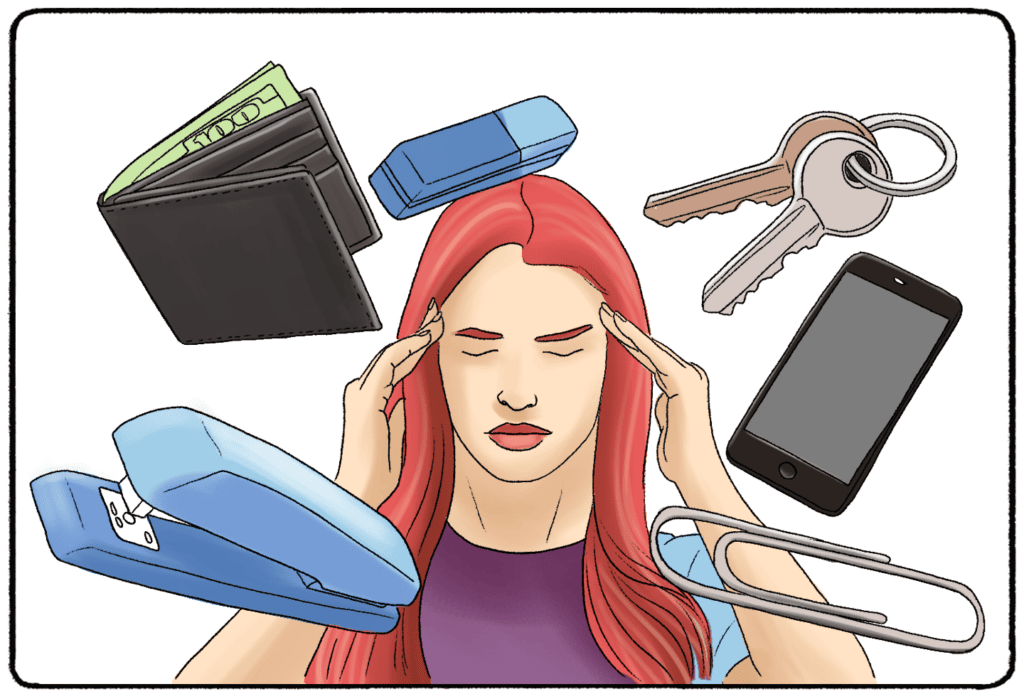
It’s common for people who have AIWS to feel sick or have a migraine after these episodes. Some experts believe that rather than a separate syndrome, AIWS is a rare type of migraine. Other experts believe that AIWS is simply an early indication of a migraine.
The Migraine Subreddit is filled with stories of people who experienced bothAlice in Wonderland Syndrome and migraines:
It’s also common for people who have AIWS to experience these symptoms when trying to sleep or when their eyes are closed.
If you are an adult and have never had an episode that sounds like AIWS, you shouldn’t have to worry about it. AIWS is most common in children, many of whom outgrow the condition. If you are experiencing episodes as an adult, you might have a larger problem on your hands.
Not all cases of AIWS are connected to the same cause. Researchers believe that abnormal blood flow or activity in the brain may cause someone to have an episode. (Due to the length of the episodes, it’s not easy to observe what happens in the brain when someone is seeing things as “too big” or “too small.”) AIWS isn’t an eye condition - it is simply the result of incorrectprocessingas information travels from the eyes to the brain.
The cause of this abnormal activity varies. AIWS is often tied to infection or Epstein-Barr Virus (aka “mono.”) An adult who develops AIWS is also likely to develop migraines. In some studies, the condition was linked to panic attacks and generalized anxiety disorder. Stress may bring on symptoms, but not always. Genetics, stroke, or ingestingcough medicinemay also cause symptoms.
Unfortunately, this condition is so rare that scientists have not been able to get too much data on the causes.
There aren’t any treatments available for AIWS. Only treatments for infections, migraines, and other related conditions exist. If you do find yourself in the middle of an AIWS episode, it’s important to stay calm until the episode is over.
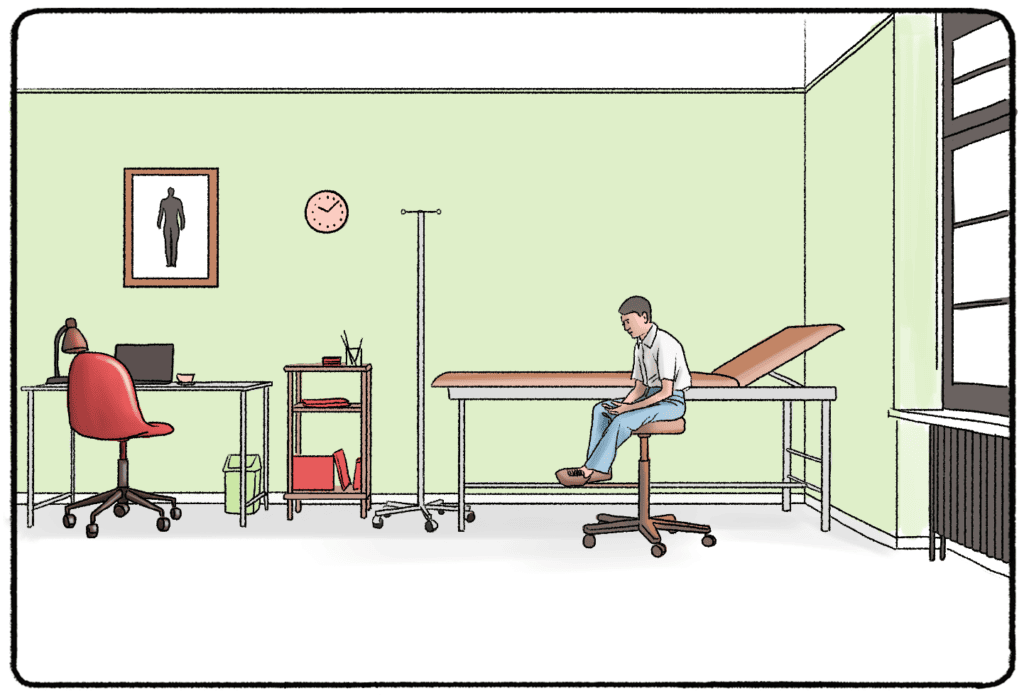
Reach out to a healthcare professional about your symptoms. AIWS may be underdiagnosed, so it’s important for people who experience symptoms to share their stories. Doctors may be able to find underlying causes for AIWS or give you resources for staying calm during an episode. Don’t wait things out - symptoms could be pointing to a virus or other type of disorder.
This syndrome is just one of the many ways that our minds can play tricks on us. It’s also a peculiar example of how mental and physical health are related, but not always in the ways that you might expect.
Related posts:10 Strange Psychological DisordersVermis (Brain Function + Location)What is Wet Brain?Corpus Callosum (Location and Function)The Human Condition (Definition + Explanation)
Related posts:
Reference this article:Practical Psychology. (2020, March).Alice in Wonderland Syndrome.Retrieved from https://practicalpie.com/alice-in-wonderland-syndrome/.Practical Psychology. (2020, March). Alice in Wonderland Syndrome. Retrieved from https://practicalpie.com/alice-in-wonderland-syndrome/.Copy
Reference this article:
Practical Psychology. (2020, March).Alice in Wonderland Syndrome.Retrieved from https://practicalpie.com/alice-in-wonderland-syndrome/.Practical Psychology. (2020, March). Alice in Wonderland Syndrome. Retrieved from https://practicalpie.com/alice-in-wonderland-syndrome/.Copy
Copy
