In the hit television show Big Little Lies, tensions run high as an unknown child is accused of choking another student. The child is revealed as Max throughout the series (spoiler alert!). Max has an abusive father, and once Max’s mother realizes that her child is learning behaviors from her husband, she decides to take action.
This cycle of abuse is sad but extremely common. Many abusers were abused themselves or grew up in an abusive household. These ideas seem obvious, but in the mid-20th century, evidence that supports these ideas was becoming known.
What is the Bobo Doll Experiment?Who Conducted the Bobo Doll Experiment?How Was The Bobo Doll Experiment Conducted?Is The Bobo Doll Experiment An Example of Operant Conditioning or Classical Conditioning?Criticism of the Bobo Doll ExperimentBobo Doll Impact
What is the Bobo Doll Experiment?
Who Conducted the Bobo Doll Experiment?
How Was The Bobo Doll Experiment Conducted?
Is The Bobo Doll Experiment An Example of Operant Conditioning or Classical Conditioning?
Criticism of the Bobo Doll Experiment
Bobo Doll Impact
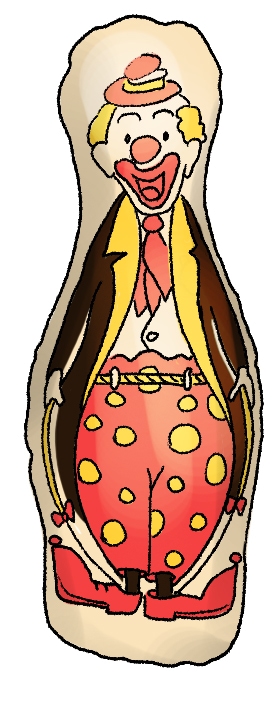
In 1961, Albert Bandura conducted the Bobo doll experiment at Stanford University. He placed children in a room with an adult, toys, and a five-foot Bobo Doll. (Bobo Dolls are large inflatable clowns shaped like a bowling ball, so they roll upward if punched or knocked down.)
This experiment madeAlbert Banduraone of the most renowned psychologists in the history of the world. He is now listed in the ranks of Freud and B.F. Skinner, the psychologist who developed the theory ofoperant conditioning.
 Bobo Doll
Stage 1: Modeling
The study was separated into three groups, including a control group. An aggressive adult behavior model was shown to one group, a non-aggressive adult behavior model to another, and no behavior models were shown to the third group. In the group with the aggressive adult, some models chose to hit the Bobo doll over the head with a mallet.
The group with a nonaggressive adult simply observed the model playing with blocks, coloring, or doing non-aggressive activities.
Stage 2: Aggression Arousal
After 10 minutes of being in the room with the model, the child was taken into another room. This room had attractive toys; the researchers briefly allowed the children to play with the toys of their choice. Once the child was engaged in play, the researchers removed the toys from the child and took them intoyet another room.It’s easy to guess that the children were frustrated, but the researcherswantedto see how they would release that frustration.
Stage 3: Test For Delayed Imitation
The third room contained a set of “aggressive” and “non-aggressive toys.” The room also had a Bobo doll. Researchers watched and recorded each child’s behavior through a one-way mirror.
So what happened?
As you can probably guess, the children who observed the adults hitting the Bobo doll were more likely to take their frustration out on the Bobo doll. They kicked, yelled at, or even used the mallet to hit the doll. The children who observed the non-aggressive adults tended to avoid the Bobo doll and take their frustration out without aggression or violence.
The Second Bobo Doll Experiment
In this experiment, Bandura showed children a video of a model acting aggressively toward the Bobo doll. Three groups of children individually observed a different final scene in the video. The children in the control group did not see any scene other than the model hitting the Bobo doll. In another group, the children observed the model getting rewarded for their actions. The last group saw the model getting punished and warned not to act aggressively toward the Bobo doll.
All three groups of children were then individually moved to a room with toys and a Bobo doll. Bandura observed that the children who saw the model receiving a punishment were less likely to be aggressive toward the doll.
A second observation was especially interesting. When researchersaskedthe children to act aggressively toward the Bobo doll, as they did in the movie, the children did.
Consequences simply influenced whether or not the children decided to perform the learned behaviors. The memory of the aggression was still present, whether or not the child saw that the aggression was rewarded or punished.
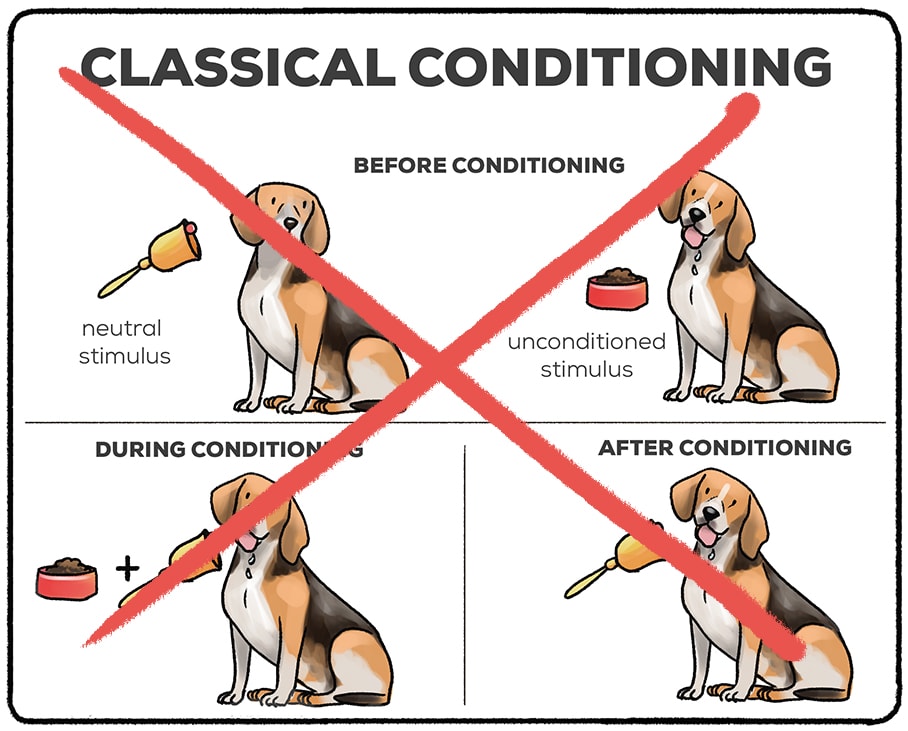
Neither! Since operant andclassical conditioningrely on explicit rewards or penalties to affect behavior repetition, they fall short of capturing the full scope of human learning. Conversely,observational learningis not dependent on these rewards. Albert Bandura’s well-known “Bobo Doll” experiment is a striking example.
A Reddit user on theTodayILearned subredditmade a good point on how the Bobo Doll Experiment was conducted:
“A significant criticism of this study is that the Bobo doll is MEANT to be knocked around. It’s an inflatable toy with a weight at the bottom, it rocks back and forth and stands back up after it is hit.
How do we know that the kids didn’t watch the adults knock over the toy and say,‘Thatlooks fun!’ and then mimic them? These types of toys are still often sold as punching bag toys for kids. This study would have much more validity if they had used a different type of toy.”
There’s one more piece of the 1963 study that is worth mentioning. While some children in the experiment watched a movie, others watched a live model. Did this make a huge difference in whether or not the child learned and displayed aggressive behaviors?
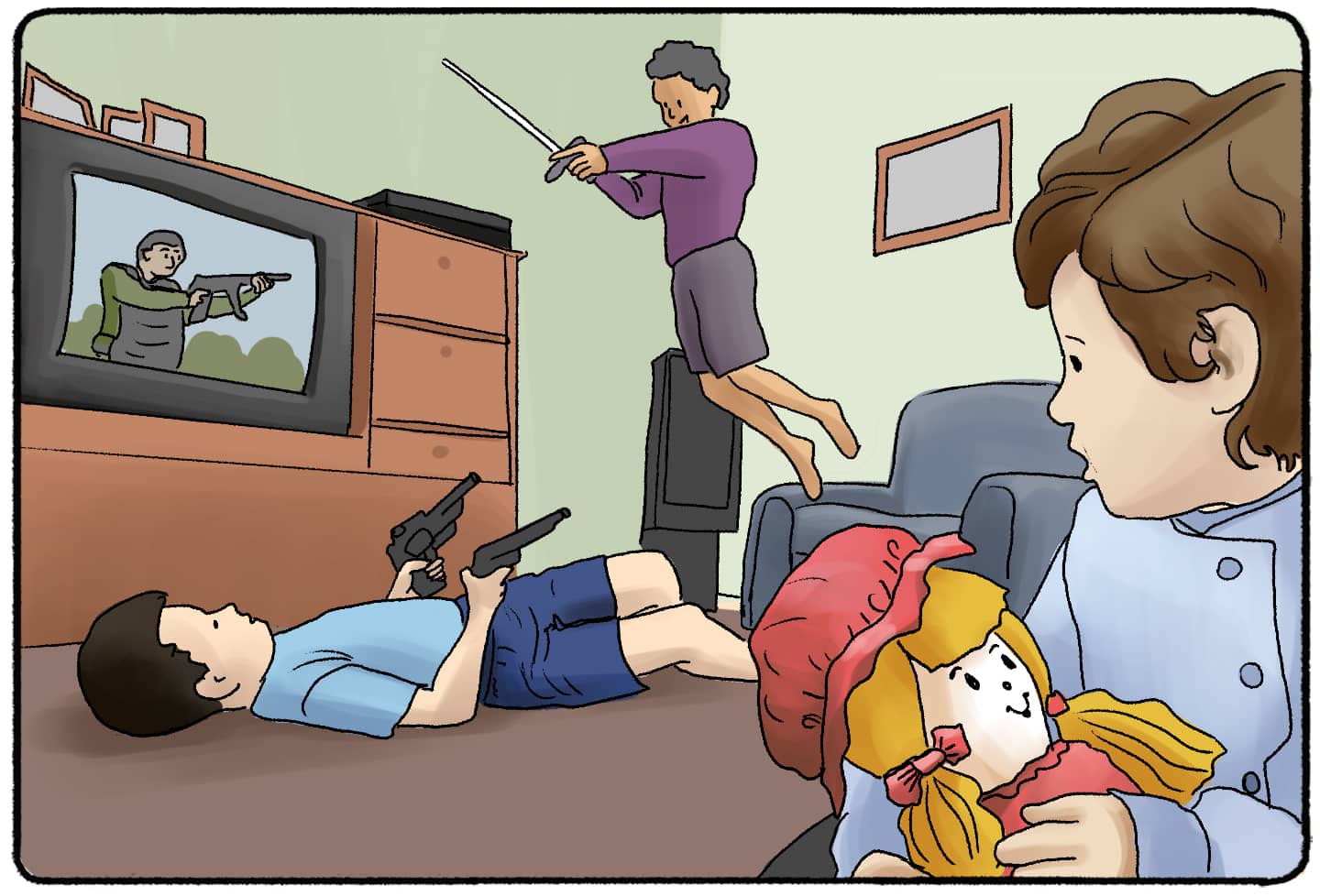
Not really.
Multiple studies have aimed to tackle this question. For instance, research from theAmerican Psychological Associationhas pointed to a link between violent video games and increased aggression, though not necessarily criminal violence. However, other sources, such as theOxford Internet Institute, have found limited evidence to support a direct link between game violence and real-world violent actions. Despite the varying findings, the influence of Albert Bandura’s introduction of observational learning and social learning theory cannot be understated. His Bobo Doll experiments remain pivotal in psychology’s rich history.
Related posts:Albert Bandura (Biography + Experiments)3 Theories of Aggression (Psychology Explained)Observational Learning40+ Famous Psychologists (Images + Biographies)Learning (Psychology)
Related posts:
Reference this article:Practical Psychology. (2023, July).Albert Bandura’s Bobo Doll Experiment (Explained).Retrieved from https://practicalpie.com/bobo-doll-experiment/.Practical Psychology. (2023, July). Albert Bandura’s Bobo Doll Experiment (Explained). Retrieved from https://practicalpie.com/bobo-doll-experiment/.Copy
Reference this article:
Practical Psychology. (2023, July).Albert Bandura’s Bobo Doll Experiment (Explained).Retrieved from https://practicalpie.com/bobo-doll-experiment/.Practical Psychology. (2023, July). Albert Bandura’s Bobo Doll Experiment (Explained). Retrieved from https://practicalpie.com/bobo-doll-experiment/.Copy
Copy
