Forming a strong attachment to parents and caregivers is essential for young children’s emotional, physical, and psychological well-being. It allows them to develop self-esteem and gives them a solid foundation for building healthy relationships later in life. When faced with a sudden loss of their secure base, children may experience what is known as abandonment issues.
What Is Fear of Abandonment?What Causes Abandonment Issues?Symptoms of Abandonment IssuesAbandonment Issues vs. Attachment StylesDating Advice for People with Fear of AbandonmentTypes of Treatment for Abandonment Issues
What Is Fear of Abandonment?
What Causes Abandonment Issues?
Symptoms of Abandonment Issues
Abandonment Issues vs. Attachment Styles
Dating Advice for People with Fear of Abandonment
Types of Treatment for Abandonment Issues
Fear of abandonment is a form of anxiety that a child or adult experiences when faced with the idea of losing someone they care about. This fear comes from a person’s past experiences that led them to believe they could not rely on others.
Abandonment issues usually emerge in childhood following a traumatic loss. As a result, a child may develop a fear of losing other important people in their lives. Some children will continue to fear abandonment as they grow up. Although it is less common, abandonment issues can also begin in adulthood. These may be reactions to a sudden loss such as a partner leaving or passing away.
Some people are at higher risk than others when it comes to suffering from abandonment issues. Individuals who have been neglected or abused as children, sustained a serious injury, or have been victims of a crime are more likely to develop abandonment-related fears.
Is Fear of Abandonment Always BPD?
Abandonment issues are not always present in people with BPD, nor do all people with abandonment issues have BPD. It is not, however, a standalone mental disorder. A fear of abandonment is usually a sign of greater anxiety or phobia.

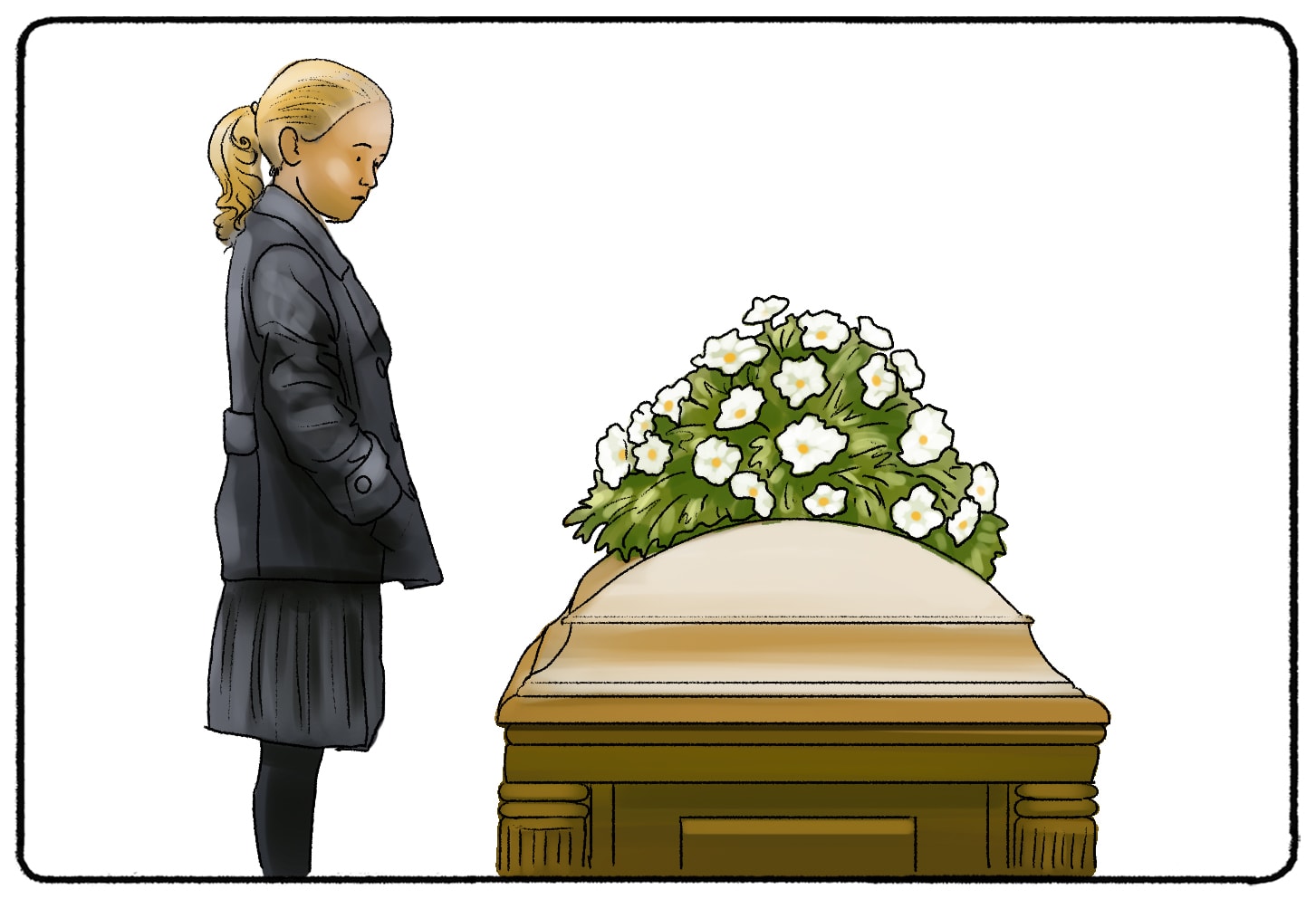
It is important to keep in mind that not everyone develops a fear of abandonment as a consequence of experiencing a loss. As with other forms of anxiety, several additional factors may play a role in developing these issues, such as the level of emotional support that a child receives, genetic predisposition, environmental factors, stress, and brain chemistry.
People with abandonment issues may exhibit some of the following symptoms:
In more severe cases, people with abandonment issues will develop unhealthy ways of coping with their fear, such as addictions, eating disorders, and self-harm.
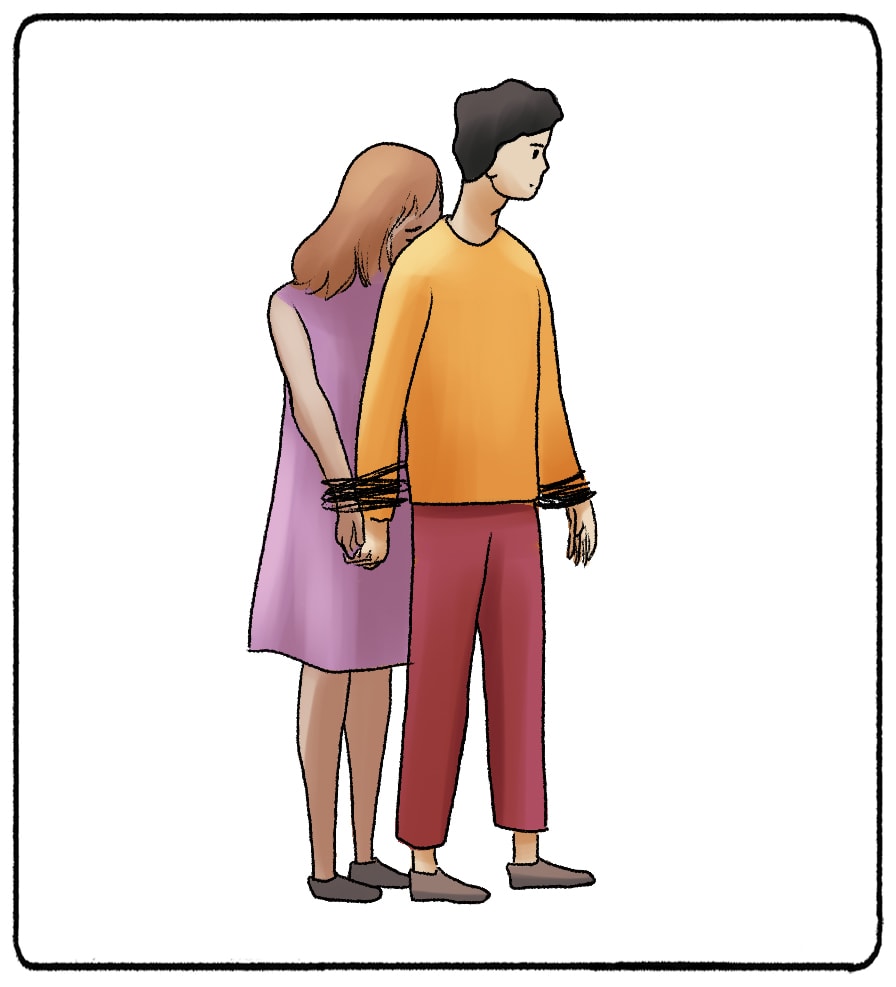
Signs of Abandonment Issues in Childhood
In adopted children, common reactions to abandonment include aggression, sadness, withdrawal, sleep and eating disorders, and negative self-image.
Abandonment issues are often discussed alongside attachment styles, particularly the avoidant attachment style. Like abandonment issues, attachment styles are formed when a person is young and affects adult relationships. Children may form asecureattachment style if they grow up with a healthy relationship with their parents, but many other children developinsecureattachment styles. If you know your or your partner developed an insecure attachment style, you may be able to spot trouble on the horizon and work toward a healthier, happier relationship.
Insecure Attachment Styles: Avoidant, Anxious, Fearful
Insecure attachment styles develop if a parent and child have a strained relationship. The parent may not meet their child’s basic needsormeet them sporadically. This insecurity affects children in different ways.
If a parent refuses to fulfill their child’s needs, the child may grow to develop an avoidant attachment style. They begin to assume that all partners or providers will fail to fulfill their needs. When they begin to experience sadness, negativity, or personal struggles, they retreat. People with an avoidant attachment style have a hard time relying on their partners for support because they are used to never receiving that support in the first place. Typically, people with an avoidant attachment style do not seek out close, intimate relationships. Independence has always been a survival tactic.
This attachment style is also known as the “dismissive” attachment style. This attachment style looks like:
A person with an avoidant attachment style may be seen as “cold” or “icy,” but they are simply responding out of a troubled relationship with love and intimacy. Their fear of abandonment was realized very early on in life, and they avoid getting themselves into a situation where they could be abandoned in the first place.
The anxious attachment style looks like:
A person with an anxious attachment style may appear “clingy,” but they are not. They are simply acting as a response to the inconsistent love they received from their parents.
Children with abusive, toxic, or needy parents may develop a fearful attachment style. (This is also known as the “disorganized” attachment style.) Often, a person with this attachment style doesn’t have a grasp on what they want. They may appear to crave intimacy, but once they get it, they run away. This is often the result of a parent or caregiver that asked for the child to fulfilltheirneeds, but chaotically failed to meet the child’s needs or even hurt them in the process. Fear of abandonment is present in this attachment style, too.
A fearful attachment style looks like:
A person with this attachment style may be seen as “crazy.” Their inability to understand their behaviors and feelings stem from experiences with abusive or neglectful parents.
Talking about insecure attachment styles and abandonment issues can be tricky. Many people act out and hurt their partners’ feelings out of the hurt they experienced. Hurt people hurt people. Hurting people also has consequences, and a lot of advice on sites like Reddit consists of how to avoid dating people with abandonment issues.
However, people with insecure attachment styles can form healthy, happy relationships if they put in the work to heal themselves and communicate their needs with their partner.
If left untreated, abandonment issues can have a pervasive impact. They may negatively affect any intimate, social, and professional relationships a person forms later in life and impair their ability to trust others. They constantly fear that they will be abandoned again. Individuals with low self-esteem may seek refuge in dysfunctional relationships that reinforce their belief that they will be left alone. In addition, people who have experienced abandonment are more likely to suffer from anxiety, depression, and long-term mental health issues.
Understanding the fear and its origins is the first step toward resolving abandonment issues.
How to Work on Abandonment Issues At Home
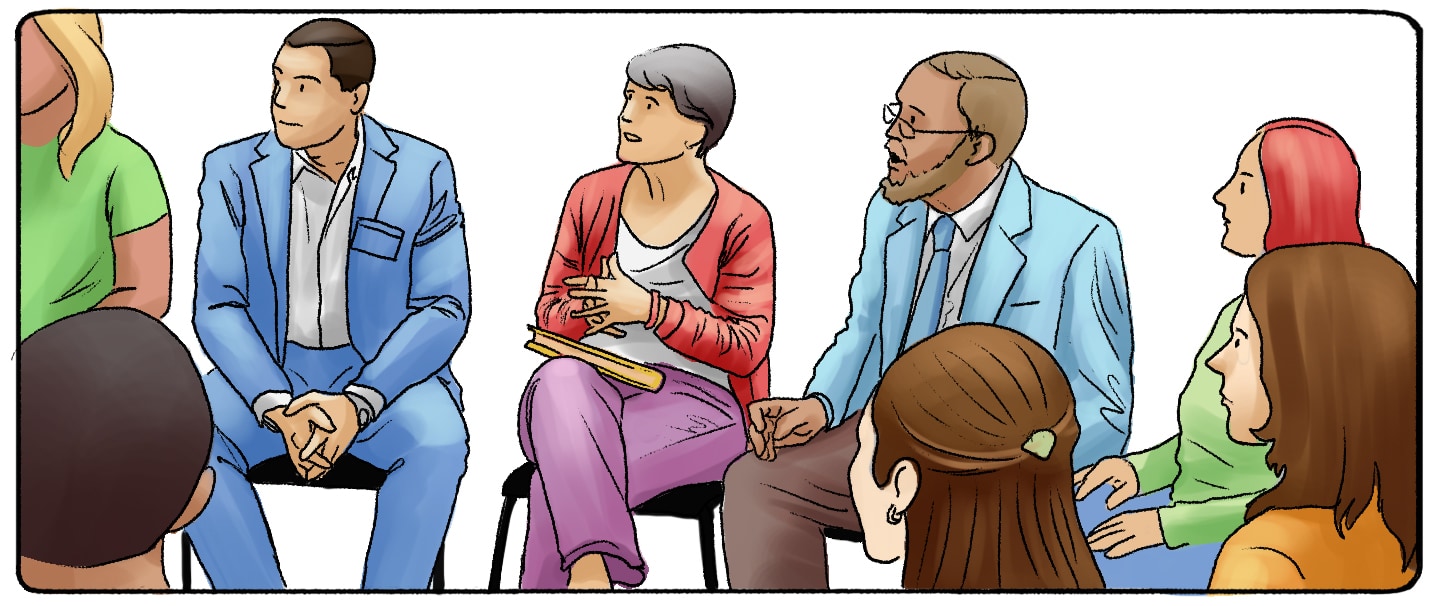
Therapy treatment for abandonment issues
For many people, the fear of abandonment is so deeply rooted that it is not possible to deal with it alone. In this case, it is necessary to seek the help of a mental health specialist.
Therapists work with patients on understanding the origin of the fear and establishing strategies that they can use whenever the fear resurfaces. Therapy can help people with abandonment issues make a distinction between their vulnerable past selves and the confident person they can become.
Several different types of therapy are used in dealing with abandonment issues.
Dialectical behavior therapy consists of mindfulness and emotional regulation training either in one-to-one therapy or in a group. People with abandonment issues learn how to manage their emotions and to better communicate with their partner about abandonment issues.
Cognitive behavioral therapy (CBT) helps increase consciousness of feelings about the event that has caused the fear in the first place. It allows patients to change their perspective of that event and restructure their thoughts to reflect current circumstances.
Psychodynamic therapyhelps identify thoughts and emotions that are causing fear. Through this type of therapy, patients can get a better understanding of the defense mechanisms they have created due to the abandonment and how they influence their relationships with others.
Related posts:The Psychology of Long Distance RelationshipsBeck’s Depression Inventory (BDI Test)Attachment Styles Theory (Free Test)Operant Conditioning (Examples + Research)Variable Interval Reinforcement Schedule (Examples)
Related posts:
Reference this article:Practical Psychology. (2020, May).Abandonment Issues (Examples, Causes, and Treatment).Retrieved from https://practicalpie.com/abandonment-issues/.Practical Psychology. (2020, May). Abandonment Issues (Examples, Causes, and Treatment). Retrieved from https://practicalpie.com/abandonment-issues/.Copy
Reference this article:
Practical Psychology. (2020, May).Abandonment Issues (Examples, Causes, and Treatment).Retrieved from https://practicalpie.com/abandonment-issues/.Practical Psychology. (2020, May). Abandonment Issues (Examples, Causes, and Treatment). Retrieved from https://practicalpie.com/abandonment-issues/.Copy
Copy
