Have you been hearing the term “woke” or “wokeism” in the news lately and wondered to yourself, “What does woke even mean?”. In this article, we aim to provide a complete understanding of the concept of being “woke” without causing offense or controversy.
A woke person is someone who actively recognizes and challenges racial or gendered biases in society. An example of a woke organization is a school educating students about systemic racism.
In the following sections of this article, we will dive into the perspectives of both the Left and the Right on the term “woke” and explore what it means to them. It is important to note that the interpretation of being woke can vary depending on one’s political, social, and cultural background. By examining these different viewpoints, we hope to provide a well-rounded understanding of the term and its implications in contemporary discourse.
 Woke
Woke
The Left’s Perspective
The Right’s Perspective
Historical Context
Woke Companies
50+ Examples Of Being Woke
These examples depict the Left’s viewpoint on the term ‘woke’ and offer real-life illustrations to objectively present this political perspective. It is crucial to note that these examples are shared with the purpose of providing an accurate portrayal of a specific political stance and should not be construed as an endorsement or alignment with our own views.
Affirmative Action: The practice of promoting job openings to people of color and women to ensure a more diverse workforce. It can be a contentious topic, with debates around fairness and perceived preferential treatment.
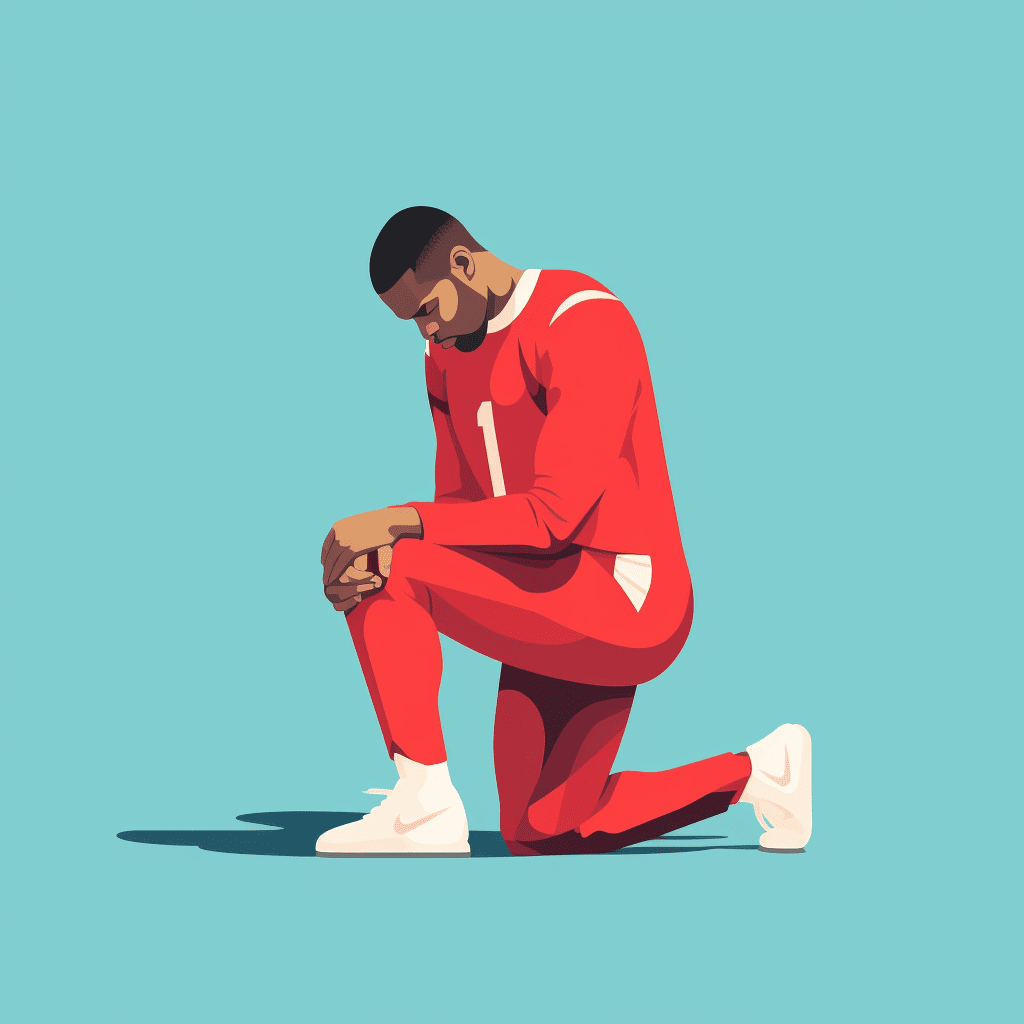
Taking a Knee (Football): Choosing tokneel during the national anthemas a peaceful protest against racial injustice. This act has sparked debates about patriotism, respect for symbols, and appropriate forms of protest.
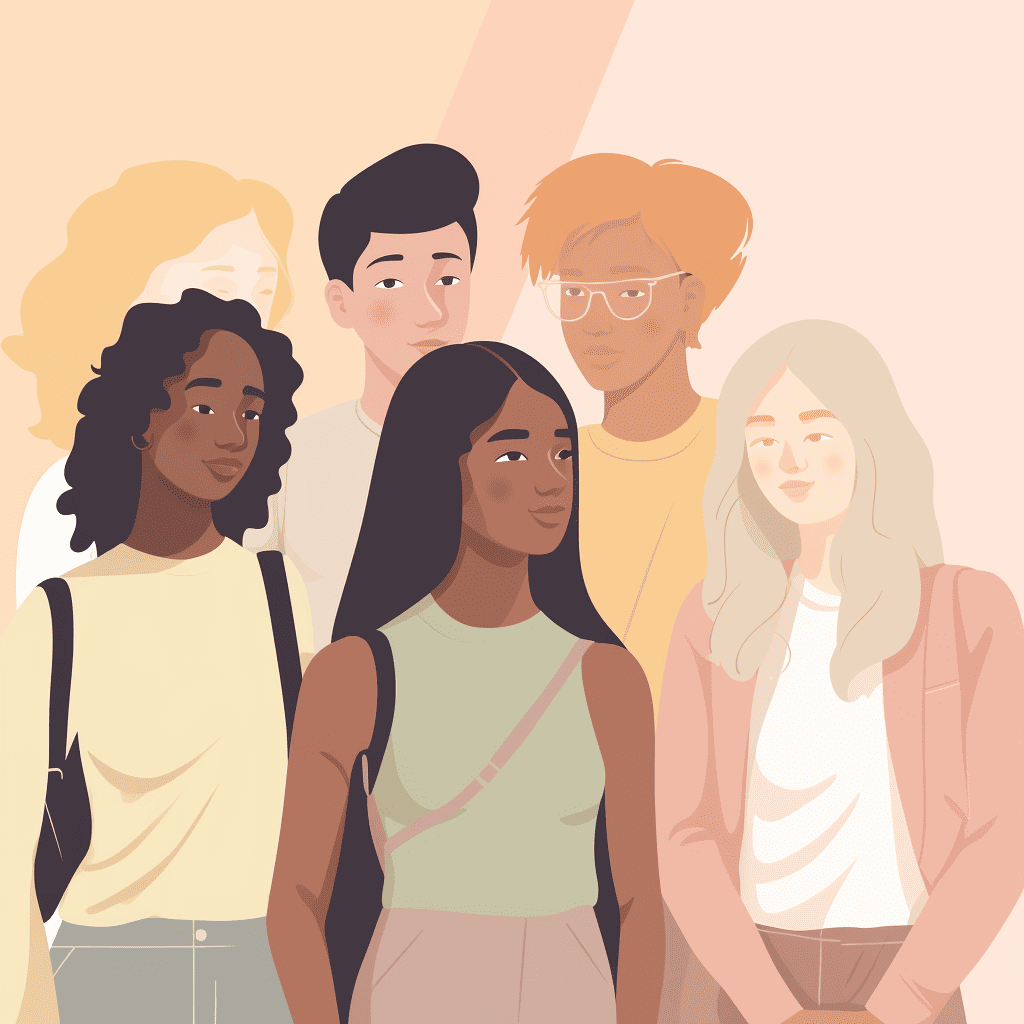
Pronoun Declaration: Wearing pronoun badges to be inclusive of transgender individuals. While increasingly accepted, it can face pushback from those who view it as unnecessary or an infringement on personal choice.
Gender-Neutral Bathrooms: Providing restrooms for all genders, accommodating gender non-conforming individuals. Controversy can arise due to concerns about privacy, safety, and traditional gender norms.

Black Lives Matter: Advocating for the rights and fair treatment of black people. It can be controversial among those who dispute the movement’s goals or tactics. Learn more from the source:https://blacklivesmatter.com/
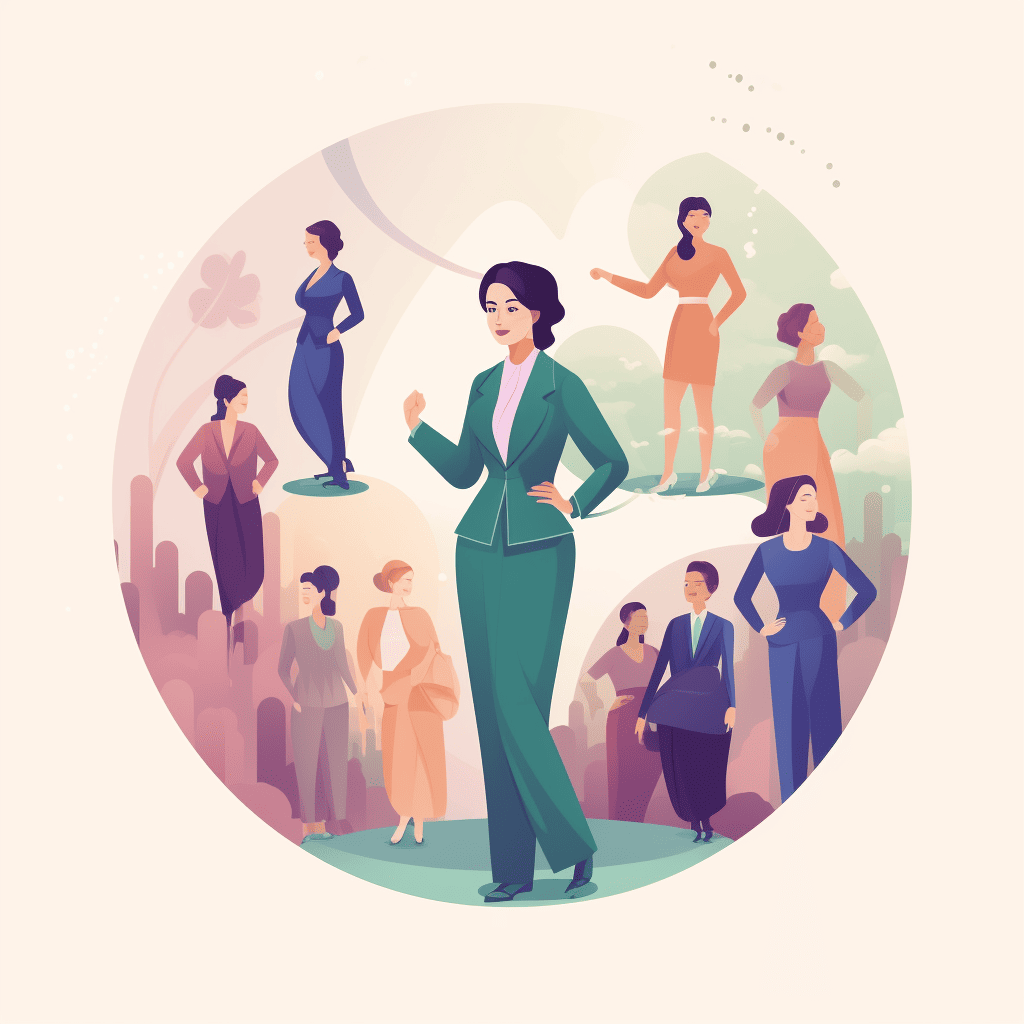
Promoting Women in Power: Believing that increasing women’s representation in positions of authority benefits society. While generally accepted, it can face resistance from those who oppose affirmative action or perceive it as gender-based favoritism.
Creating Safe Spaces: Designating areas where vulnerable populations can feel comfortable discussing their issues. While generally supported, controversy may arise around the concept of excluding certain viewpoints or the perceived coddling of individuals.
Embracing Pride Flags: Displaying pride flags to signal LGBTQ+ inclusivity. While some controversy exists, it is generally more accepted as society becomes more supportive of LGBTQ+ rights.Learn more about the history of Pride flags.
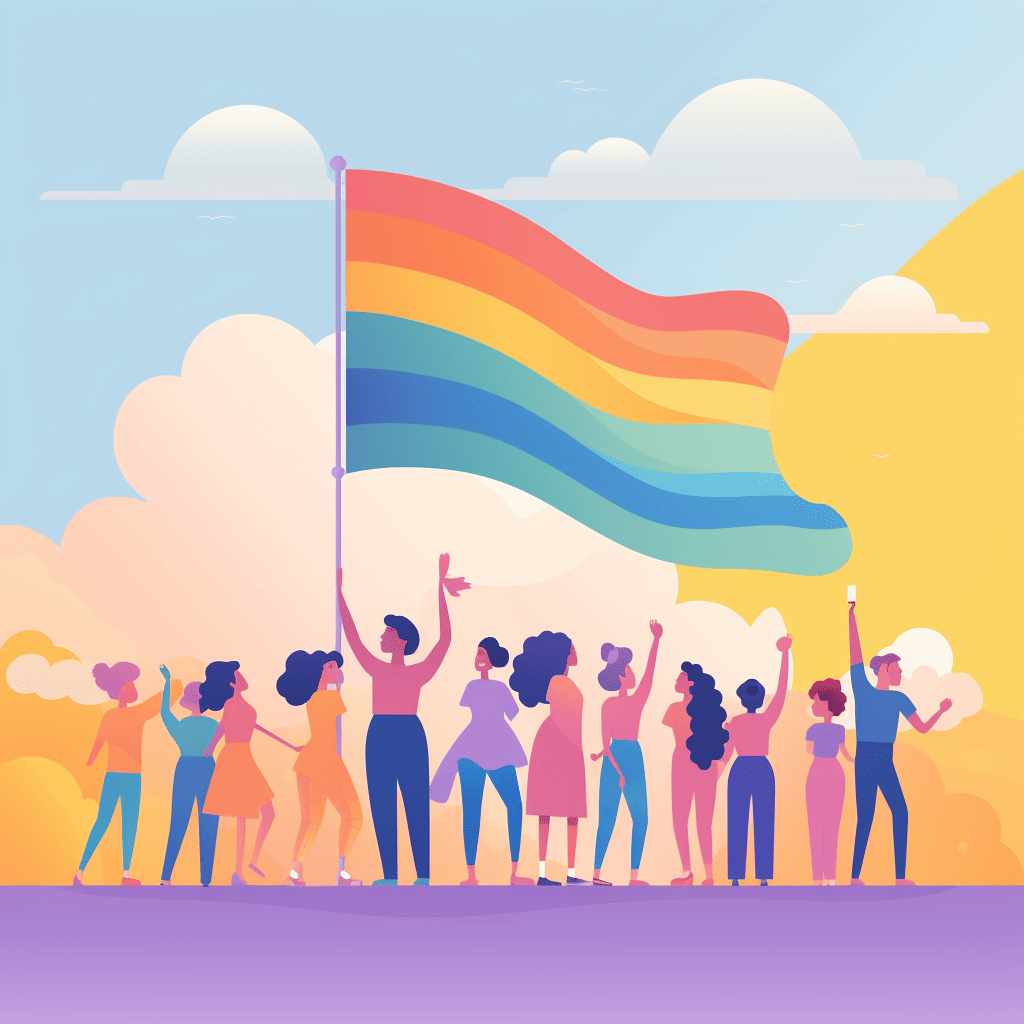
Acknowledging Privilege: Recognizing one’s own privilege and actively listening to less privileged individuals. While it can be uncomfortable for some, it is generally seen as a positive step toward understanding and empathy.
The following examples present the right’s perspective on the term ‘woke’ and provide real-life instances that reflect this viewpoint. It is important to note that these examples are presented with the aim of accurately representing a specific political perspective, and they do not necessarily align with our own views or endorse any particular stance.
Race-Based Silencing: Telling a white person they don’t have the right to speak because they’re seen as an oppressor based on their race. This can be highly controversial and evoke strong reactions due to debates around free speech, discrimination, and power dynamics.
Canada’s Bill C-16: A law that mandates the use of preferred pronouns for transgender individuals, with violations potentially considered human rights violations. This can be contentious, with debates surrounding compelled speech and the balance between individual rights and social inclusion.
Gender Pluralism: The assertion that there are over 70 genders and branding disagreement with this view as morally wrong. It can be highly controversial due to clashes with traditional notions of gender and disagreements on the concept of gender identity.
Digging up Old Tweets: When a company searches and brings up old tweets or photos from someone’s past to damage their reputation, particularly in political campaigns. It can be controversial due to concerns about privacy, forgiveness, and the impact of past actions on present situations.
Affirmative Action: The practice of prioritizing underrepresented groups, such as women, in hiring or educational opportunities. It can generate controversy around questions of fairness, reverse discrimination, and the impact on merit-based selection.
Critical Race Theory: A school’s history curriculum that presents a narrative framing white people as oppressors, leading to debates on the portrayal of history, systemic racism, and its effects on students' self-perception.
Puberty Blockers: The use of medication to delay puberty in children who experience a disconnect between their gender identity and biological sex. Controversy arises due to concerns about the potential impact on long-term physical and psychological well-being, informed consent, and the age of decision-making. There are also noticeable adverseside effects of puberty blockers.
Virtue Signaling: Brands using pro-LGBT or pro-BLM imagery to appear inclusive, which can be seen as marginalizing those with differing views. It is often discussed in relation to marketing strategies and corporate responsibility, and while it can be debated, it may be seen as less controversial compared to other examples.
Day of Absence: A college requesting white students to voluntarily stay home for a day to reflect on privilege and engage in discussions. While it may generate discussions around racial dynamics and diversity initiatives, controversies may be relatively milder compared to other examples.
Cancel Culture: The act of “canceling” a college speaker due to controversial views on power and race. While it can generate debates about free speech, academic freedom, and accountability, controversies surrounding cancel culture often vary depending on the specific circumstances and public sentiment.
It was a call to action for Black communities to remain vigilant, informed, and active in the fight against racial injustice. Even though it has roots decades ago, itgrew in popularity after the 2014 police killing of Michael Brown.
Over time, the notion of being woke expanded beyond its original usage and entered mainstream discourse. In recent years, the “woke” movement, also known as “wokeism,” has gained traction across various social and cultural spheres.
It encompasses a broader awareness and critique of societal issues such as racial discrimination, gender inequality, LGBTQ+ rights, environmental justice, and more. The movement aims to challenge and dismantle oppressive systems, promoting inclusivity, equality, and social justice.
The rise of social media and online activism has played a significant role in the popularization of wokeism. Platforms like Twitter and Instagram have provided spaces for marginalized communities to share their experiences and raise awareness about social injustices. Hashtags like #StayWoke and #BlackLivesMatter have become rallying cries for the movement, amplifying voices and mobilizing supporters worldwide.
However, the term and its associated movement have also faced criticism and backlash, with detractors accusing it of being performative or dismissive of differing perspectives.
The historical context of being woke and the subsequent development of the wokeism movement highlight the ongoing struggle for social progress and equality. It represents a collective effort to address and rectify historical and systemic injustices. While the term and its meaning continue to evolve, the underlying principles of awareness, empathy, and activism remain at its core.
Woke Capitalism is a term used to brand companies that utilize woke principles to effectively advertise to an audience. Let’s quickly go over some examples of “woke advertising”.
Nike
In 2018, Nike launched an ad campaign featuring Colin Kaepernick, the former NFL quarterback who had become a controversial figure due to his protests against racial injustice during the national anthem. The ad, bearing the slogan “Believe in something. Even if it means sacrificing everything,” demonstrated Nike’s alignment with social justice causes, particularly those pertaining to racial equality.
Pepsi
Pepsi released a commercial in 2017 featuring Kylie Jenner that was meant to project a message of unity and peace during a time of heightened social tension. However, the ad received backlash for trivializing protests and social justice movements, particularly the Black Lives Matter movement. Instead of being viewed as “woke”, this ad was largely criticized as tone-deaf and opportunistic.
Ben & Jerry’s
Ben & Jerry’s has been consistently socially and politically engaged, using their platform to advocate for various issues such as climate change, LGBTQ+ rights, and racial justice. Their ad campaigns often communicate these themes, and they have created specific ice cream flavors to raise awareness and funds for certain causes.
Dove
The Dove “Real Beauty” campaign was launched to challenge traditional beauty standards and promote body positivity. The ads often feature women of various sizes, shapes, and racial backgrounds, which contrasts with many traditional beauty product ads that have often promoted narrow beauty standards.
As of my knowledge cutoff in 2021, Pinterest has made efforts to create a positive and inclusive environment on its platform. While not a traditional advertising method, it has implemented features like skin tone ranges for beauty searches to cater to diverse user groups and made commitments to limit harmful or discriminatory content.
Bud Light
Target
Target has made several moves to be more inclusive in their advertising and in-store policies. They’ve committed to featuring models of all body types and backgrounds in their ads. In 2015, they also removed gender-based signage in some of their kids' departments. in 2023, Target released a “PRIDE” collection, sparking a boycott which resulted in a $10 billion drop of their total stock value.
Chick-fil-a
Chick-fil-A has been involved in several controversies related to social and political issues, particularly regarding LGBTQ+ rights. Recently, the company has been less associated with “woke advertising” and more associated with traditional and conservative values.
These examples demonstrate how being “woke” can be applied to a wide range of areas, including media, arts, education, technology, social justice, and sustainability.
Being woke involves actively recognizing and challenging societal injustices while promoting empathy, inclusivity, and positive change.
By examining these examples, we have come to understand that being woke encompasses an active recognition of systemic biases, an unwavering commitment to inclusivity, and a dedication to promoting positive change. From advocating for racial equality and LGBTQ+ rights to supporting sustainable practices and challenging traditional narratives, being woke requires continuous learning, empathy, and action.
It is important to remember that the term “woke” is not static and its meaning can evolve over time. The examples provided in this article serve as a snapshot of how being woke is manifested in various contexts. It is a reminder that progress and social awareness are ongoing journeys, and being woke is an ever-evolving process.
We hope that this article has shed light on the diverse ways in which individuals and communities embody being woke. May these examples inspire and encourage further discussions, actions, and reflections on the importance of social justice, equality, and inclusivity.
Related posts:Social Stratification (Definition + Historical Examples)47+ Social Problem Examples (Issues In Society)The Psychology of Long Distance Relationships47+ Social Injustice Examples (History + Solutions)Beck’s Depression Inventory (BDI Test)
Related posts:
Reference this article:Practical Psychology. (2023, May).50+ Woke Examples - Definition and Meaning Explained (Unbiased).Retrieved from https://practicalpie.com/woke-examples/.Practical Psychology. (2023, May). 50+ Woke Examples - Definition and Meaning Explained (Unbiased). Retrieved from https://practicalpie.com/woke-examples/.Copy
Reference this article:
Practical Psychology. (2023, May).50+ Woke Examples - Definition and Meaning Explained (Unbiased).Retrieved from https://practicalpie.com/woke-examples/.Practical Psychology. (2023, May). 50+ Woke Examples - Definition and Meaning Explained (Unbiased). Retrieved from https://practicalpie.com/woke-examples/.Copy
Copy
