Have you ever heard the word “stereotype” and wondered what it means? Maybe you’ve seen it play out in high school movies or even in your own life.
A stereotype is like a super simple picture people paint of someone else, based on what they think that person is like—without even knowing them well.
The connections we make between people and stereotypical traits are called “illusory correlations,” and they are often false.
So if you see someone wearing glasses and carrying a lot of books, you might think, “Oh, they must be really smart and love to study.” That’s a stereotype!
Understanding stereotypes in high schools is important because they can affect how we treat others and how we see ourselves. When welabel people, it’s like putting them in a box, and that’s not fair to anyone. High school should be a time for everyone to discover who they are, but stereotypes can make this journey more complicated.
What are the High School Stereotypes?High School Stereotypes in MediaHigh School Stereotype Changes Over TimePsychological Theories of High School StereotypesCombating High School StereotypesQuiz: What’s Your High School Stereotype?Conclusion
What are the High School Stereotypes?
High School Stereotypes in Media
High School Stereotype Changes Over Time
Psychological Theories of High School Stereotypes
Combating High School Stereotypes
Quiz: What’s Your High School Stereotype?
Conclusion
The Jock
Ah, the jocks—champions of the sports field and often, the hallways of high school. When people think of jocks, they often imagine big, muscular guys (and sometimes girls) who are more into touchdowns than textbooks. The stereotype often shows jocks as popular but not very smart.
The Nerd
When someone says “nerd,” what comes to mind? Probably a studious individual with glasses, maybe even with tape in the middle. They’re the heroes of the Mathlete competitions and the Science Olympiads.
In films like “Revenge of the Nerds” (1984), they’re often the underdogs who rise to the top. But the nerd stereotype is changing. With the rise of tech giants like Mark Zuckerberg and Bill Gates, being smart is cool now.
Also, nerds aren’t always socially awkward; many are outgoing and have a vibrant social life. They’re more than just their report cards; they’re individuals with varied interests—from comic books and video games to sports and music.
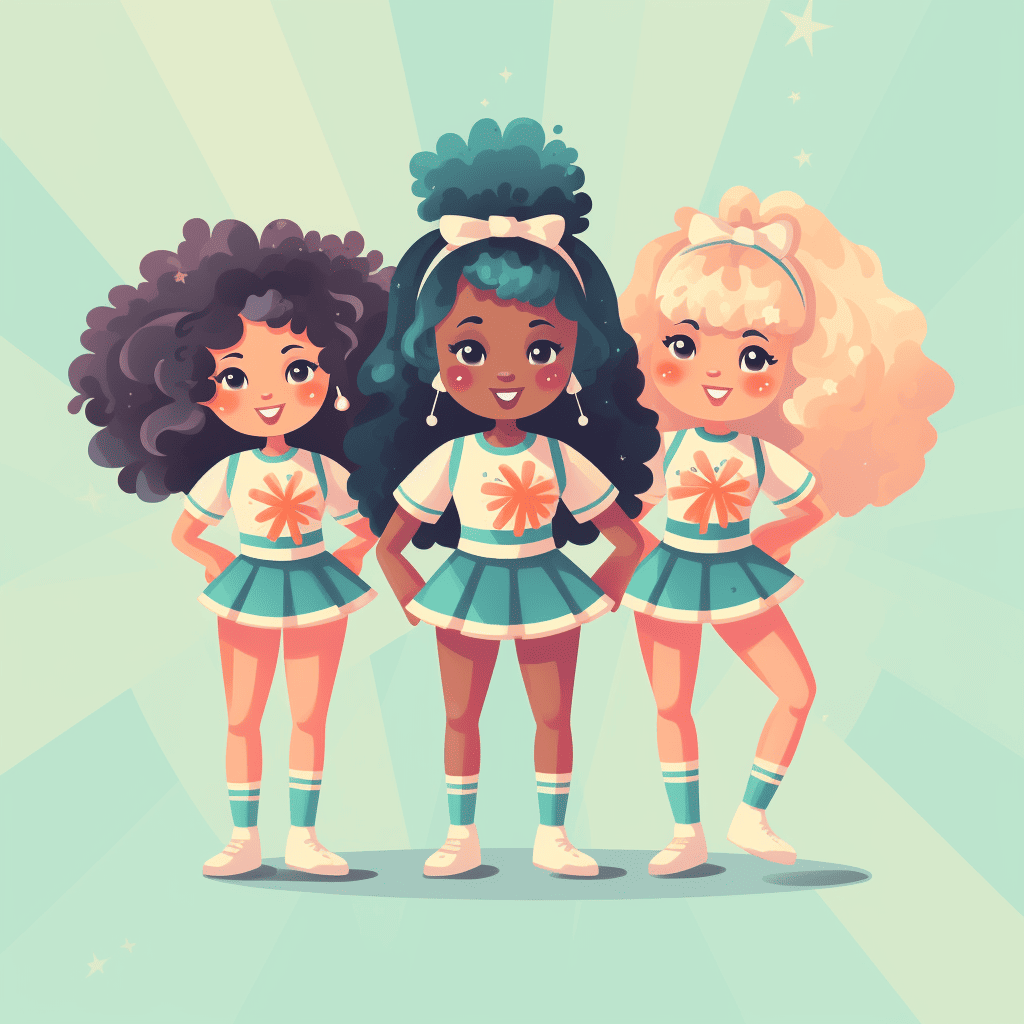
The Cheerleader
Remember “Bring It On” (2000)? In this movie, cheerleaders are the queens of the school, with everyone else revolving around them. They’re seen as popular, but sometimes a little shallow or mean.
But here’s the real scoop—cheerleading is a highly competitive sport requiring physical strength, agility, and coordination. Many cheerleaders are also excellent students and are involved in community service. Plus, guys can be cheerleaders too! The stereotype that cheerleaders are only girls is getting old; many schools have co-ed cheerleading teams.
The Goth
 goth girl

Remember the character Allison from “The Breakfast Club” (1985)? She fit the goth stereotype of that era, being mysterious and somewhat misunderstood.
However, being goth can also be a form of self-expression, a way to cope with the emotional ups and downs of adolescence. Goths often have a deep interest in art, literature, and philosophy, challenging the notion that they’re just about doom and gloom. There’s even a wholegoth subculturethat goes far beyond visual appearance and mood, including challenging the status quo (the way things “ought” to be).
The Class Clown
Ever watched “Ferris Bueller’s Day Off” (1986)? Ferris is the ultimate class clown, pulling off pranks that make the whole school laugh. While it’s easy to think that the class clown is all jokes and no smarts, many are intelligent and insightful.
They often use humor to navigate the social maze of high school, and some even end up being the most popular kids in class. But being the class clown isn’t always easy; sometimes they use humor to hide their insecurities or to deflect attention from academic struggles.
See how easy it is to stick labels on people? But people are like onions—they have layers. While some may display characteristics that fit into these stereotypes, they also have other interests, skills, and personalities that make them unique.
The Teacher’s Pet
The “Teacher’s Pet” is another well-known stereotype we often see in high schools. This is the student who always sits in the front row, raises their hand for every question, and might even bring an apple for the teacher.
However, this stereotype isn’t always fair. Just because someone is eager in class doesn’t mean they’re trying to win the teacher’s favor at the expense of others. It’s okay to be enthusiastic about learning!
Also, the Teacher’s Pet can sometimes feel pressure to always perform well, worrying that they’ll disappoint the teacher if they don’t. Like all stereotypes, it’s good to remember that there’s usually more beneath the surface.
The problem with stereotypes is that they can limit how we see people, including ourselves. It’s like looking at a beautiful painting but only seeing one color. Life and people are more complicated than that!
Books
Media has a powerful way of showing us what high school is “supposed” to be like. But remember, these are stories made to entertain us. Real high school is more complex, and real people don’t always fit into neat little boxes. Just like in “The Breakfast Club,” you could be a brain, an athlete, a basket case, a princess, or a criminal—or maybe a little bit of everything!
If you jumped into a time machine and landed in a high school from the 1950s, you’d notice that things were pretty different back then. Sure, some of the stereotypes we’ve talked about would still be there, but they’d look a little different. So, how have high school stereotypes changed over the years? Let’s hop on a journey through time and find out.
Historical Stereotypes

Greasers were the precursors to today’s “rebels” or “bad boys,” often at odds with the jocks and the preps. Meanwhile, the “preps” were the clean-cut, well-dressed kids, often coming from wealthy families. They were the ones expected to succeed, similar to today’s “overachievers.”
In the 1980s and ’90s, stereotypes started to shift. The rise of technology and home computers gave birth to the “computer geek,” the younger sibling of the nerd stereotype.
Influence of Social Media
Speaking of social media, its explosion in the 2000s and 2010s has changed the high school landscape significantly. Before, you knew about stereotypes mostly from your own school, but now, you can see what’s trending globally.
The “VSCO girl” and “e-boy/e-girl” are new types of stereotypes born from platforms like Instagram and TikTok. These stereotypes often emphasize a certain look or lifestyle, and they can gain popularity rapidly, influencing how kids think they should act or look.
Increasing Diversity and New Stereotypes
The world today is much more diverse than it was even a couple of decades ago, and that’s reflected in our schools. Earlier stereotypes often didn’t account for different cultural backgrounds, but now, there are stereotypes tied to ethnicity, adding another layer to the issue.
For example, the “model minority” stereotype suggests that students from certain Asian backgrounds are expected to excel academically, often putting unfair pressure on them.
Furthermore, the acceptance and understanding of LGBTQ+ identities have led to more visibility but also new stereotypes. Shows like “Glee” and “Riverdale” have characters that challenge traditional gender roles, but they also risk creating new stereotypes, like the “sassy gay friend.”
Shifting Roles and Fluidity
Today, many young people embrace a more fluid identity, rejecting the notion that they have to fit into one box. Schools have clubs and societies that encourage a mix of interests, from sports to robotics, and it’s cool to be a part of diverse groups.
While some stereotypes may never fully disappear, they are becoming more nuanced and complex, reflecting the diversity and fluidity of today’s world. Just like fashion trends, high school stereotypes change, but the impact they have on people’s lives remains significant.
Understanding how they’ve evolved helps us see how society has changed—and maybe even gives us a clue about where we’re headed next.
Understanding why stereotypes stick like glue in our minds can be like solving a puzzle. Psychologists have been scratching their heads about this for years. Let’s look at some of the big ideas they’ve come up with to help explain why stereotypes exist, especially in high school settings.
Social Identity Theory
Ever wondered why people like being part of a group?
Social Identity Theory says it’s because being in a group makes us feel good about ourselves. We like to think our group is the best, whether it’s the football team, the chess club, or the drama squad. Being in a defined group also helps us understand how we should act. These groups are examples ofsocial constructs.
But here’s the catch—thinking your group is awesome sometimes means thinkingother groups are not as great. This is where stereotypes can come into play. You might think, “We’re the smart ones; they’re the jocks; they don’t understand complex stuff like we do.”
Cognitive Shortcuts
Our brains are super busy, so sometimes they take shortcuts. These shortcuts are calledtop down processing, which makes it easier to think quickly about situations. Stereotypes are like mental sticky notes. They help our brains categorize people quickly.
Imagine walking into a room full of people. Your brain immediately starts sorting them: “That guy looks like a jock; she seems like a nerd.” These shortcuts can be helpful but also can be misleading. For example, just because someone is wearing glasses doesn’t mean they’re good at math.
Tversky andKahneman’s paper, “Judgment under Uncertainty: Heuristics and Biases,” explores this further.
Confirmation Bias
Let’s say you think all cheerleaders are not smart. If a cheerleader in your class gets a low grade, you might think, “See, I knew it!” But if that same cheerleader aces a test, you might not even notice or think it’s a fluke.
Self-Fulfilling Prophecy
This one is like a cycle. When people are stereotyped, they often act in ways that fulfill that stereotype, even if it’s not true to who they are. For example, if everyone thinks jocks are not smart and treats them that way, a jock might think, “Why should I even try?” Then they might not focus on academics, making the stereotype seem true.
Impact on Self-Esteem and Performance
Psychologists like Claude Steele have studied how stereotypes can affectself-esteemand even academic performance.
All this stereotyping isn’t just talk; it can really affect how people feel and act. Studies show that stereotypes can impact self-esteem. A person stereotyped as a “nerd” may feel pressured to maintain high grades, and that stress can take a toll.
On the flip side, people stereotyped in negative ways might start believing those negative things about themselves, which can hurt their performance in school and other areas.
Steele’s concept of “stereotype threat,” which we’ll discuss next, outlines how the fear of fulfilling a stereotype can negatively impact performance. His book “Whistling Vivaldi” is an accessible resource on this topic.
Stereotype Threat
Stereotype threat is when the fear of confirming a negative stereotype affects a person’s performance.
For instance, if girls are told that they’re not as good at math as boys, they might perform poorly on a math test because they’re anxious about proving the stereotype right. This shows how stereotypes aren’t just harmful for the people being stereotyped; they’re bad for everyone.
In conclusion, psychology gives us lots of tools to understand why stereotypes are a big deal, especially in high school. Stereotypes don’t just help us categorize people; they can also shape actions, influence self-perception, and even determine success or failure in various endeavors. Knowing why they exist and how they work can help us challenge them and see people for who they really are—complex individuals with their own unique stories.
Ending stereotypes is not as easy as pressing a delete button, but there are ways to challenge them and make high school a more welcoming place for everyone. Here’s how:
Education and Awareness
Encouraging Individuality
The more students are encouraged to showcase their unique skills and personalities, the harder it becomes to put them into boxes. Talent shows, science fairs, art exhibitions, and sports events can serve as platforms where students from diverse backgrounds can shine, proving that they’re more than just a stereotype.
Creating Inclusive Environments
Creating an inclusive school culture where everyone feels welcome can go a long way in breaking stereotypes. This means respecting and celebrating different cultures, identities, and interests. School clubs that focus on diversity, inclusion, or social justice can play a critical role in this.
Peer Support and Mentorship
Having someone to talk to can make a world of difference. Schools can establish peer support programs or mentoring systems where older students guide younger ones, helping them navigate the complexities of high school life, including the challenge of stereotypes.
Media Literacy
Empowering Students
Last but not least, empowering students to stand up against stereotypes is super important. This can range from encouraging open dialogue to providing resources for reporting discrimination. When students feel empowered, they’re more likely to challenge stereotypes and create a culture of respect and acceptance.
In conclusion, while stereotypes may be deeply rooted, they are not unchangeable. Through education, dialogue, and a commitment to diversity and inclusion, we can challenge the preconceived notions that limit us. By working together, we can look beyond the labels and see each other for who we truly are—wonderfully complex individuals with a whole lot more to offer than a simple stereotype would suggest.

It’s important to remember that stereotypes are limited and often don’t capture the complexity of individuals, so this quiz is just for fun. Here’s a light-hearted quiz that can help you identify which high school stereotype(s) you might fit into.
Answer the following questions honestly. Keep track of your answers (A, B, C, D) to find out your result at the end.
Results:
High school stereotypes have been around for a long time. They’re like characters in a movie that everyone thinks they know, but as we’ve seen, there’s so much more to the story. From the jock to the nerd, from the rebel to the teacher’s pet, these stereotypes may seem simple on the surface, but they’re deeply rooted in our culture, psychology, and personal experiences.
Psychology helps us understand why these stereotypes are so sticky. Social Identity Theory, Cognitive Shortcuts, Confirmation Bias, Self-Fulfilling Prophecy, and Stereotype Threat are just some of the theories that explain why stereotypes are more than just lazy thinking.
Stereotypes can have real-world impacts on self-esteem, academic performance, and even our career paths.
But here’s the good news: stereotypes are not set in stone. Schools and communities can take steps to combat them. Through education, open dialogue, and creating inclusive environments, we can break free from the confines of stereotypical thinking. We can celebrate each other for the unique individuals we are, not just the groups we belong to.
Remember, every person is a world unto themselves, far more complex than any stereotype could capture. So the next time you meet someone new, whether in high school or beyond, give them a chance to show you who they are before slapping a label on them. You might be surprised at what you discover.
Related posts:Sports Psychologist Career (Salary + Duties + Interviews)Prejudice vs Stereotype (Definitions + Examples)Amy Cuddy (Bio + Contributions to Psychology)Art Therapist Career (Salary + Duties + Interviews)37+ Instructional Strategies (Examples + Quizzes)
Related posts:
Reference this article:Practical Psychology. (2023, August).5+ High School Stereotypes (Definition + Examples).Retrieved from https://practicalpie.com/high-school-stereotypes/.Practical Psychology. (2023, August). 5+ High School Stereotypes (Definition + Examples). Retrieved from https://practicalpie.com/high-school-stereotypes/.Copy
Reference this article:
Practical Psychology. (2023, August).5+ High School Stereotypes (Definition + Examples).Retrieved from https://practicalpie.com/high-school-stereotypes/.Practical Psychology. (2023, August). 5+ High School Stereotypes (Definition + Examples). Retrieved from https://practicalpie.com/high-school-stereotypes/.Copy
Copy
