Psychologists are scientists who study the brain and how it works. There are many different fields of psychology, including how we interact with others, how individuals differ from each other, and the specific ways we grow up. In this article, you’ll find a huge list of all the notable psychologists who have added to the field in one way or another.
Behavioral Psychologists
B. F. Skinner
Ivan Pavlov
John B. Watson
Cognitive Psychologists
Daniel Kahneman
Elizabeth Loftus
Jerome Bruner
Ulric Neisser
George Kelly
Albert Ellis
Developmental Psychologists
Erik Erikson
Lawrence Kohlberg
Lev Vygotsky
Urie Bronfrenbrenner
Ethologists
Konrad Lorenz
Educational Psychologists
Carol Dweck
David Kolb
Edward Thorndike
Howard Gardner
G. Stanley Hall
Emotion Psychologists
Paul Ekman
Evolutionary Psychologists
David Buss
Forensic Psychologists
Robert Hare
Hugo Münsterberg
Personality Psychologists
Gordon Allport
Positive Psychologists
Abraham Maslow
Carl Rogers
Martin Seligman
Psychodynamic Psychologists
Carl Jung
Sigmund Freud
Wilhelm Wundt
Alfred Adler
Social Psychologists
Albert Bandura
Mary Ainsworth
Phillip Zimbardo
Amy Cuddy
David Dunning
Leon Festinger
Stanley Milgram
Robert Cialdini
Solomon Asch
William Glasser
Kurt Lewin
David McClelland
Rensis Likert
 B F Skinner
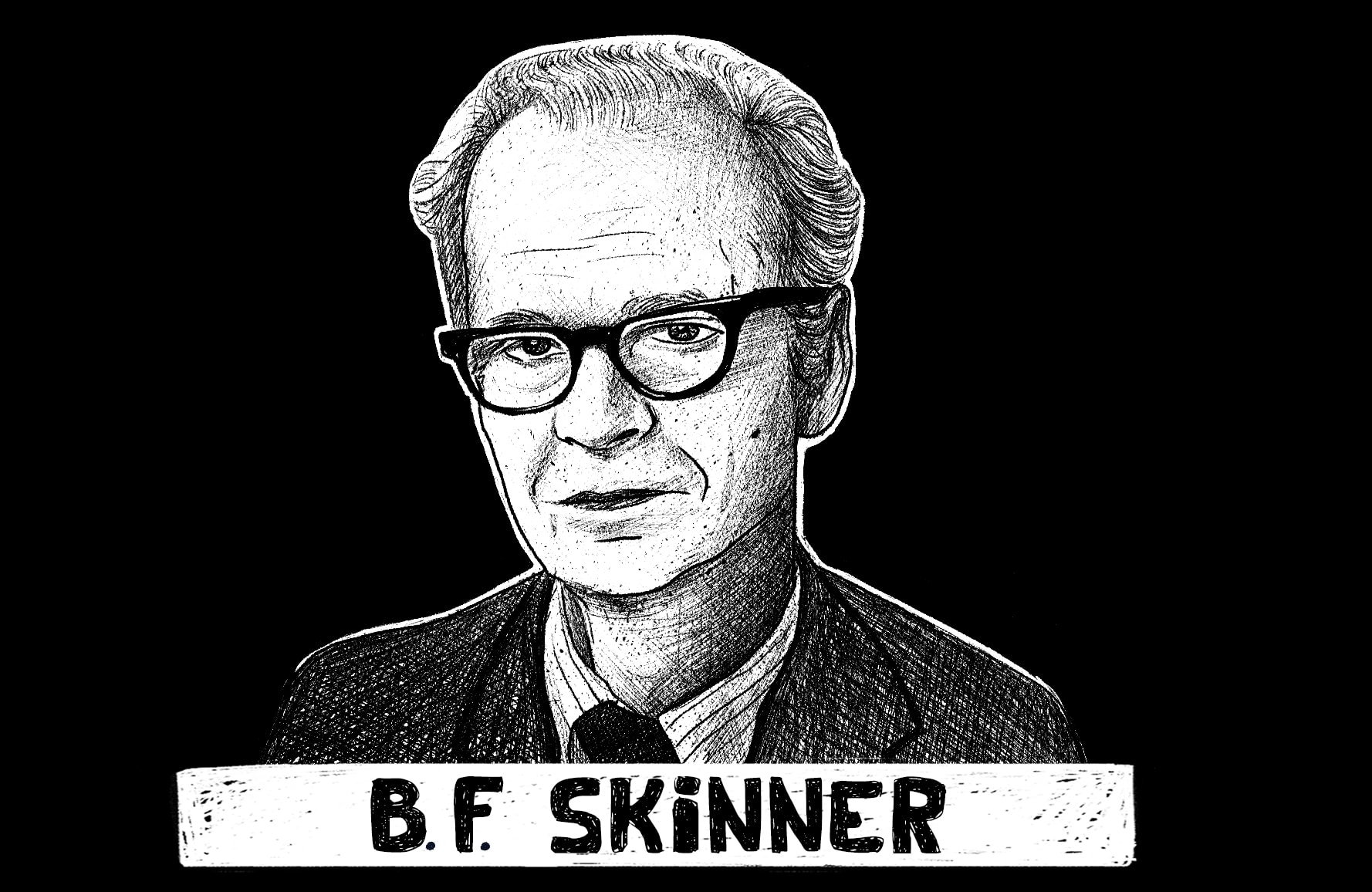
This wouldn’t be a giant list of famous psychologists if B.F. Skinner wasn’t on it.
B.F. Skinnerwas an American psychologist who made major contributions to the behaviorist movement in the 1930s. He is known primarily for developing the concept ofoperant conditioning. Operant conditioning is a type of learning where the results of an action dictate whether that action will be repeated. Skinner also founded a school of thought known as theexperimental analysis of behaviorwhich is based on his philosophy ofradical behaviorism.
Although Skinner has been criticized for using animal studies to explain complex human behaviors, his research has had a profound impact on the field of psychology. Today, his theories continue to inform and influence fields such as education, healthcare, correctional services, and animal training. B. F. Skinner died from leukemia on August 18, 1990. He was 86 years old.
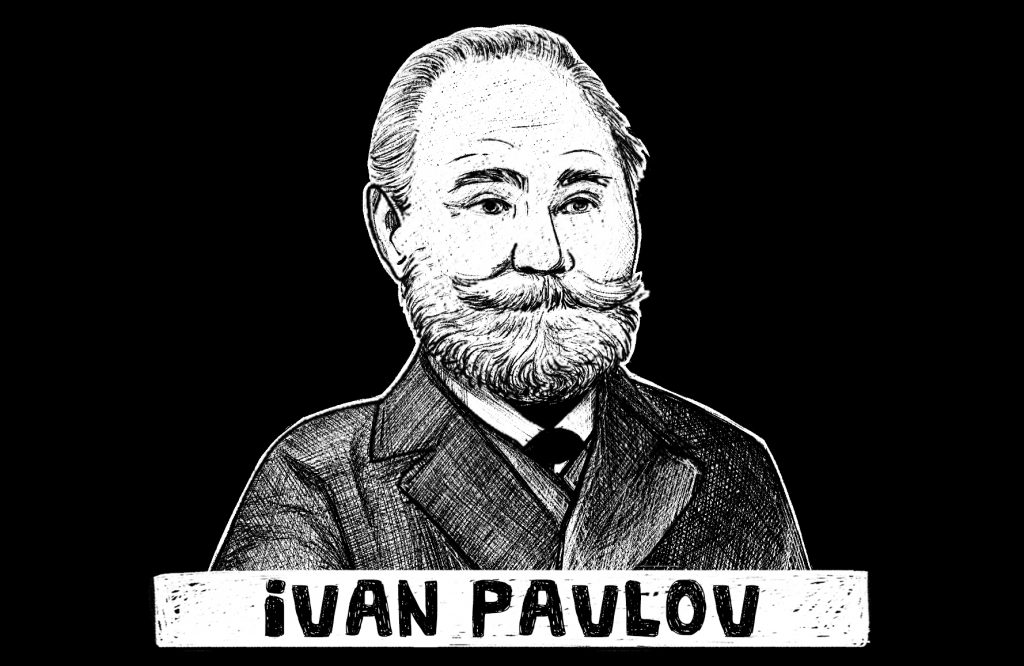
Ivan Pavlovwas a Russian physiologist who is known primarily for developing the concept of the conditioned reflex. He was studying how dogs salivated when they were being fed, when he noticed that his dogs began salivating when no food was present. Pavlov was intrigued and focused his efforts on investigating this phenomenon. He eventually trained hungry dogs to produce saliva when they heard the sound of a buzzer or metronome, which was previously linked with the presentation of food.
Pavlov was awarded the Nobel Prize for Physiology or Medicine in 1904. He passed away on February 27, 1936 in Leningrad, Russia.
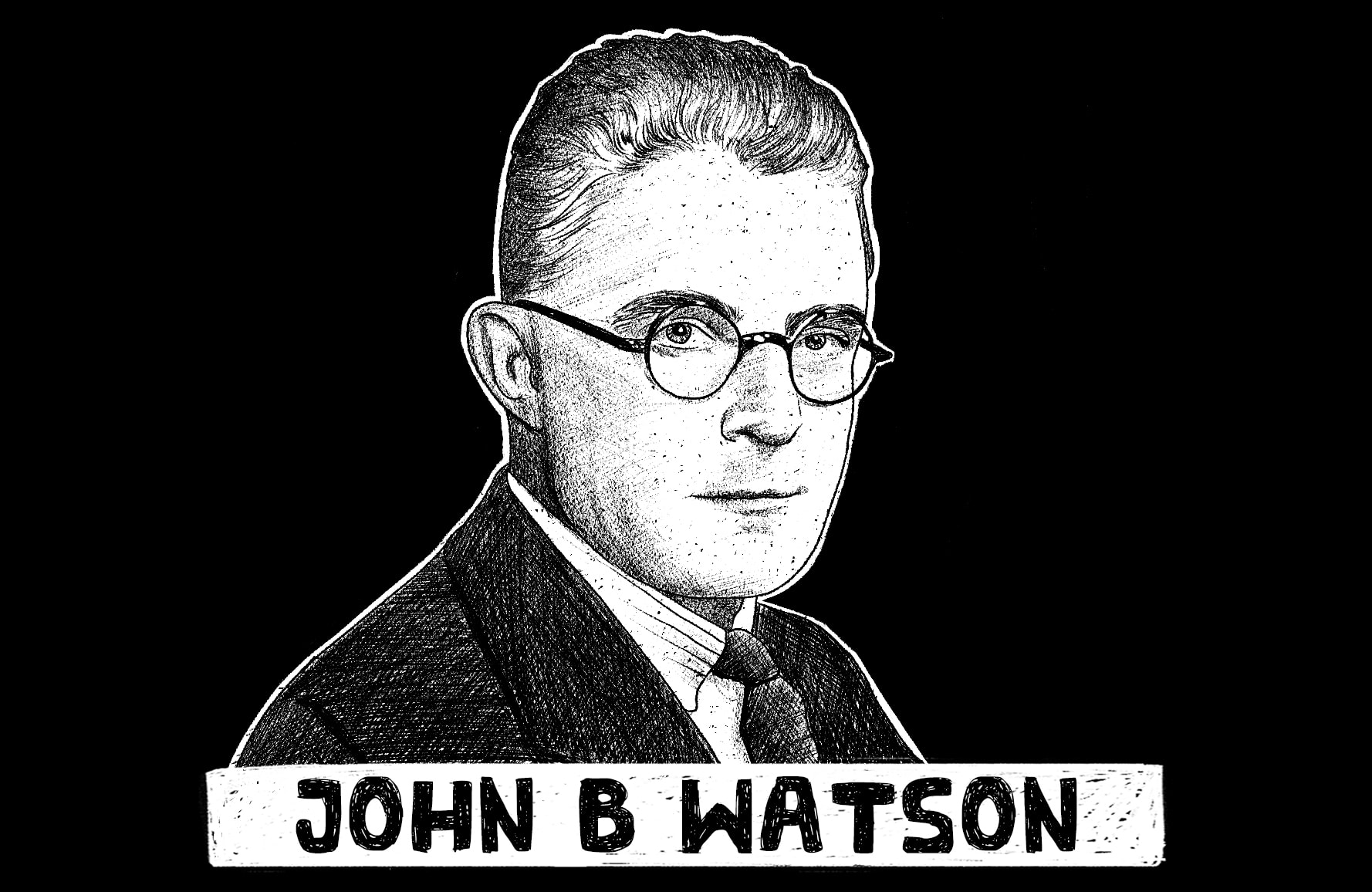
John B. Watsonwas an American psychologist who is credited as one of the founding fathers of behaviorism. Behaviorism is a psychological school of thought that emphasizes a systematic, scientific approach to the study of animal and human behavior. Watson believed that psychology’s focus on unobservable phenomena such as consciousness and thought prevented it from being regarded as a reliable and respected science. His goal was to position psychology as a science of behavior rather than a science of the mind.
During his research on behavior, Watson only paid attention to factors that he could see and measure. He considered a person’s thoughts, feelings, and perceptions of little importance because he could not study them objectively. Watson is also known for his extreme views on child-rearing as well as the infamous “Little Albert experiment.” When he became an older man, he expressed regret that he published a book on child-rearing when he was far from an expert on the matter.
Watson’s insistence on taking a scientific approach to experiments helped to establish behaviorism as the dominant school of thought in the 1920s and 1930s, and added legitimacy to the growing field of psychology. He passed away on September 25, 1958.
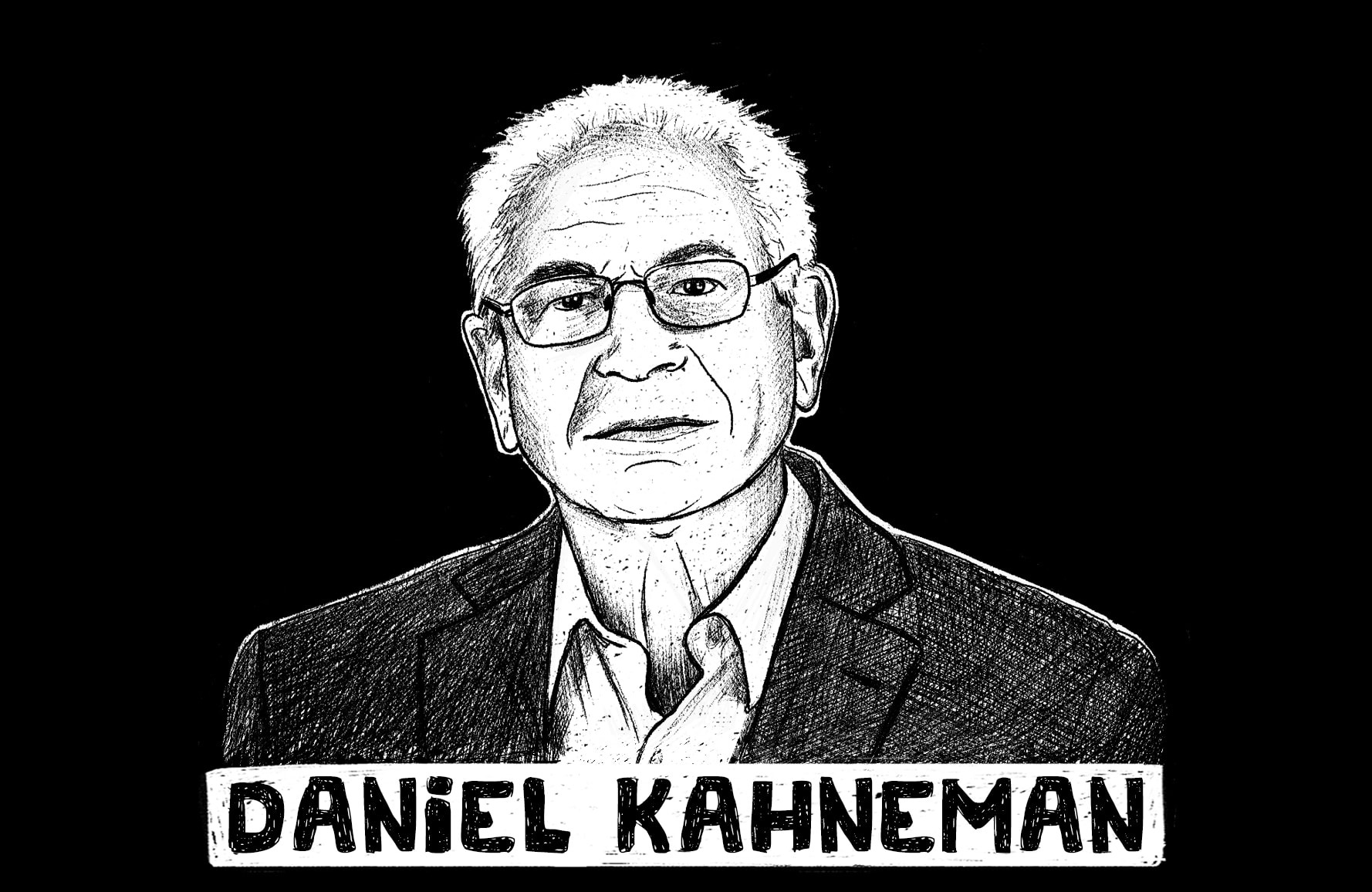
Daniel Kahnemanis an Israeli-American economist and psychologist. He is known primarily for his research on human judgment and decision-making. Kahneman and his close friend Amos Tversky developed prospect theory in the late 1970s. The theory outlines how humans make decisions when they are faced with risk, probability, and uncertainty.
One of the key assumptions of prospect theory is that people hate to lose more than they love to win. The theory predicts that while a person may not take a risk to make a gain, he or she may be more willing to take a risk to avoid a loss. Kanheman’s work contributed significantly to the development of behavioral economics. His theories on decision-making have been implemented in numerous industries such as gambling, insurance, economics, politics, marketing, and counseling.
Kahneman is an award-winning author. He has published two books to date—Attention and Effort(1973) andThinking, Fast and Slow(2011).In 2002, Kahneman was awarded the Nobel Prize in Economic Sciences “for having integrated insights from psychological research into economic science, especially concerning human judgment and decision-making under uncertainty.” He also conducted research on hedonic psychology.
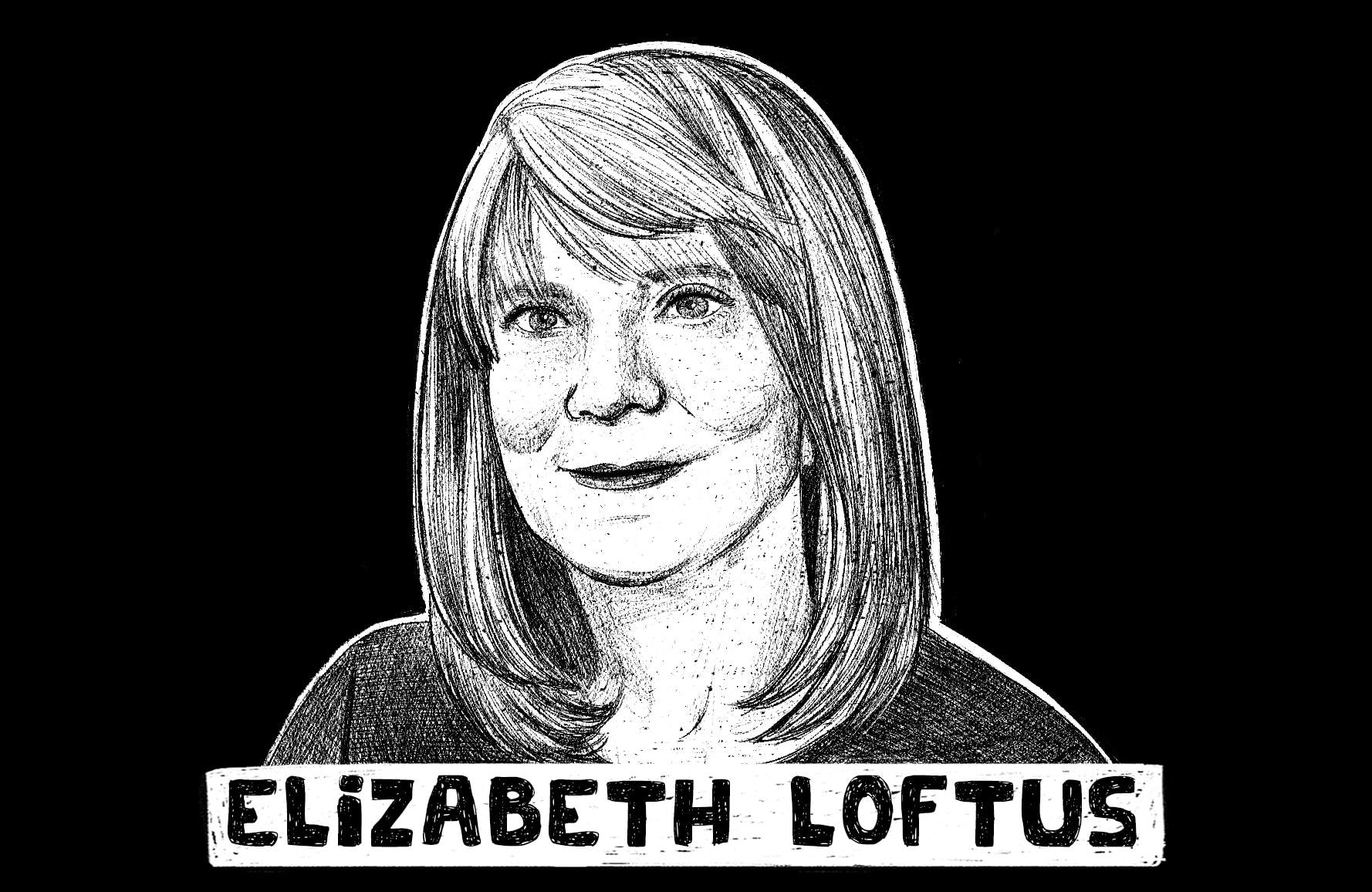
Elizabeth Loftusis an American psychologist who is notable for her research on memory and cognition. In the 1970s, she discovered a phenomenon known as the “misinformation effect.” The misinformation effect occurs when false information presented after an event distorts a person’s memories of that event. Loftus immediately recognized that the misinformation effect may have a major impact on eyewitness testimony.
Loftus’ research highlights how easy it is for a person’s memories to become distorted. Factors that may influence whether or not the misinformation effect occurs include the age of the eyewitness, the amount of time that has passed since the incident, and the types of details that are being considered. Loftus also demonstrated that it is possible to implant complete or partial memories of fictitious events into the minds of other people. In theLost In The Mallstudy, Loftus and her colleagues were able to convince 25% of the subjects that they had gotten lost in the mall when they were five years old, even though the event never happened.
Loftus is considered an expert on eyewitness testimony. She has served as a consultant in a number of high profile cases involving celebrities, mass murderers, and serial killers.
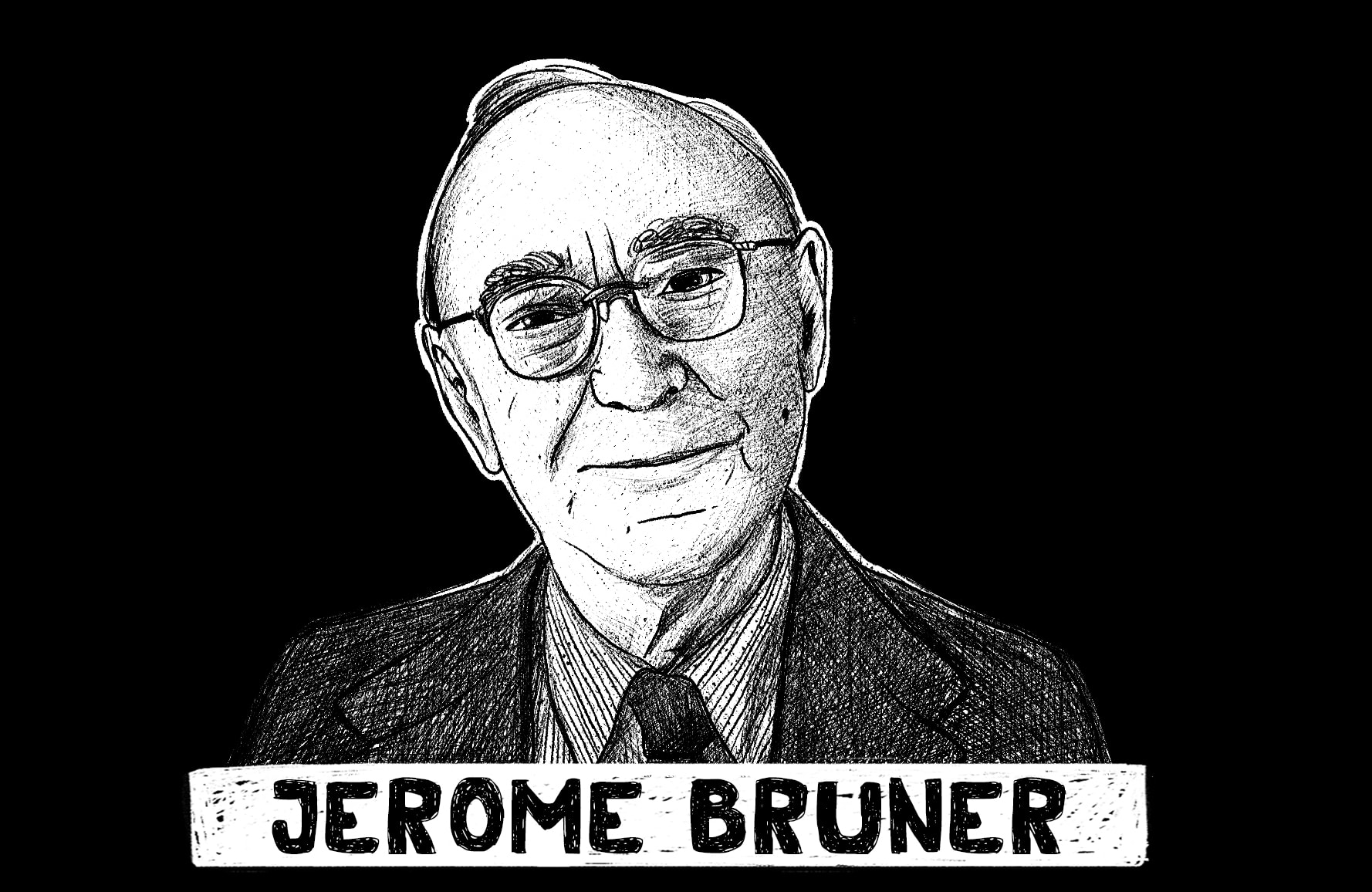
Jerome Brunerwas an American psychologist who played a major role in the development of cognitive psychology and educational psychology. He conducted research on several key topics such as human memory, perception, cognitive development, and learning. Bruner’s work clearly highlighted the importance of human cognition in the learning process. He also helped to lessen the focus on behaviorism—which was the dominant school of thought at the time.
Bruner claimed that a person’s memory is able to store or represent knowledge in different ways, depending on the age and intellectual maturity of the individual. He proposed three modes of representation: enactive, iconic, and symbolic. Bruner also believed that children should be actively involved in their own education. Rather than having students sit and listen passively in the classroom, Bruner encouraged engagement, experimentation, and exploration.
Bruner’s research has influenced many national and international policies on education. His theories have helped to revolutionize the education system in several countries, including the United States. Jerome Bruner died on June 5, 2016 at the age of 100. He is widely recognized as one of the most esteemed psychologists of the 20th century.
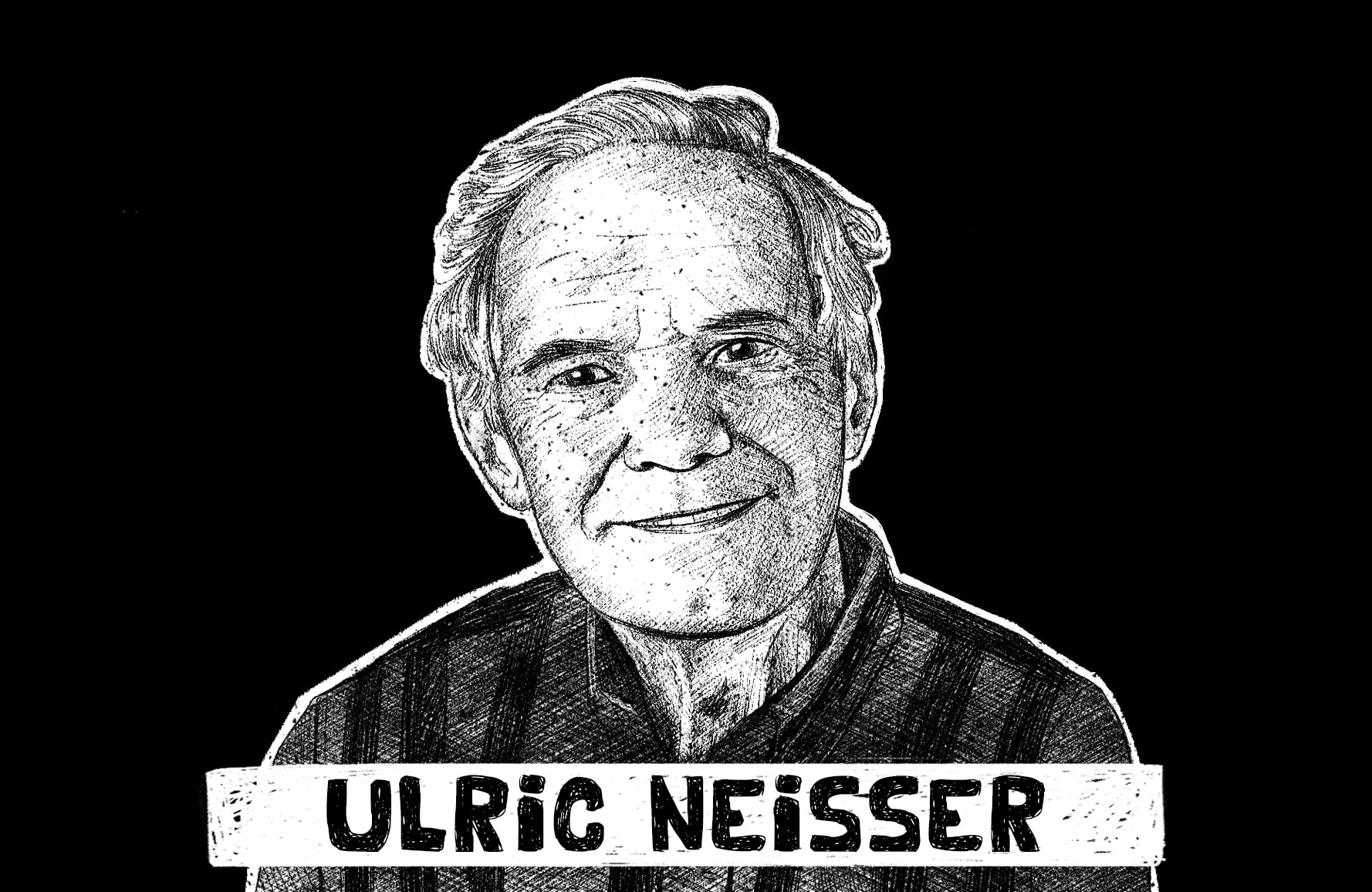
Ulric Neisserwas a German American psychologist who is recognized as one of the founding fathers of cognitive psychology. He conducted extensive research on human memory, perception, learning, and intelligence. Neisser was the first person to incorporate research from a number of psychologists into a unified theory of cognition. He presented this unified theory and coined the phrase “cognitive psychology” in his landmark bookCognitive Psychology(1967).
Cognitive psychology is arguably the most dominant branch of psychology today. It has been applied to a wide variety of fields such as medicine, mental health, criminal justice, business, and education. Neisser encouraged cognitive psychologists to focus on finding solutions to real world problems. He passed away on February 12, 2012.
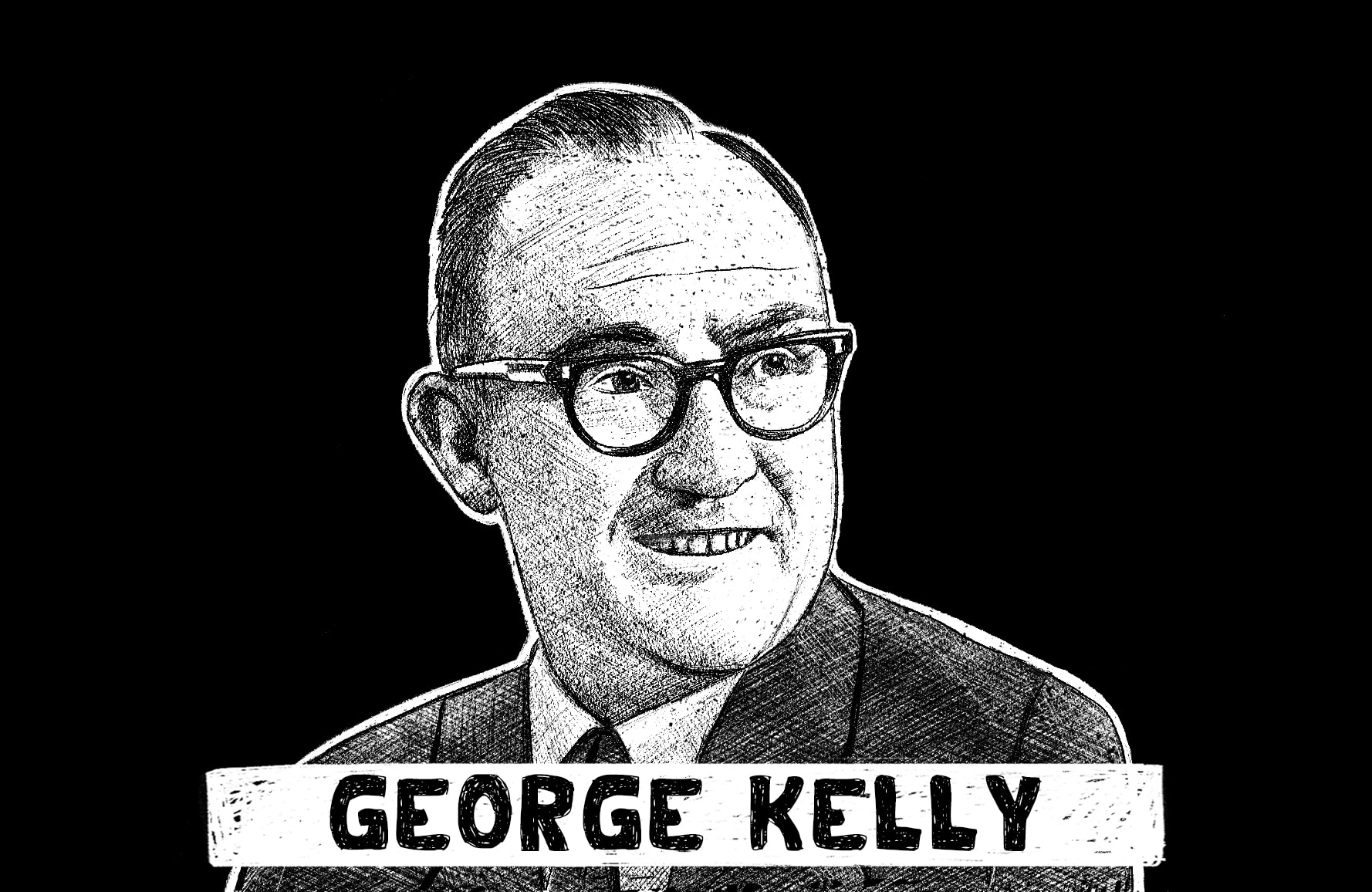
George Kellywas an American psychologist who is known primarily for developing personal construct theory (PCT). A “personal construct” is a schema or mental representation of how an individual sees the world. Personal construct theory is concerned with how people make sense of the world around them and examines the psychological reasons for their behavior. Kelly believed that humans actively observe and interpret their personal experiences so that they can predict and control future events.
In addition to his work on personal construct theory, Kelly also helped to develop the field of clinical psychology. He passed away suddenly on March 6, 1967.
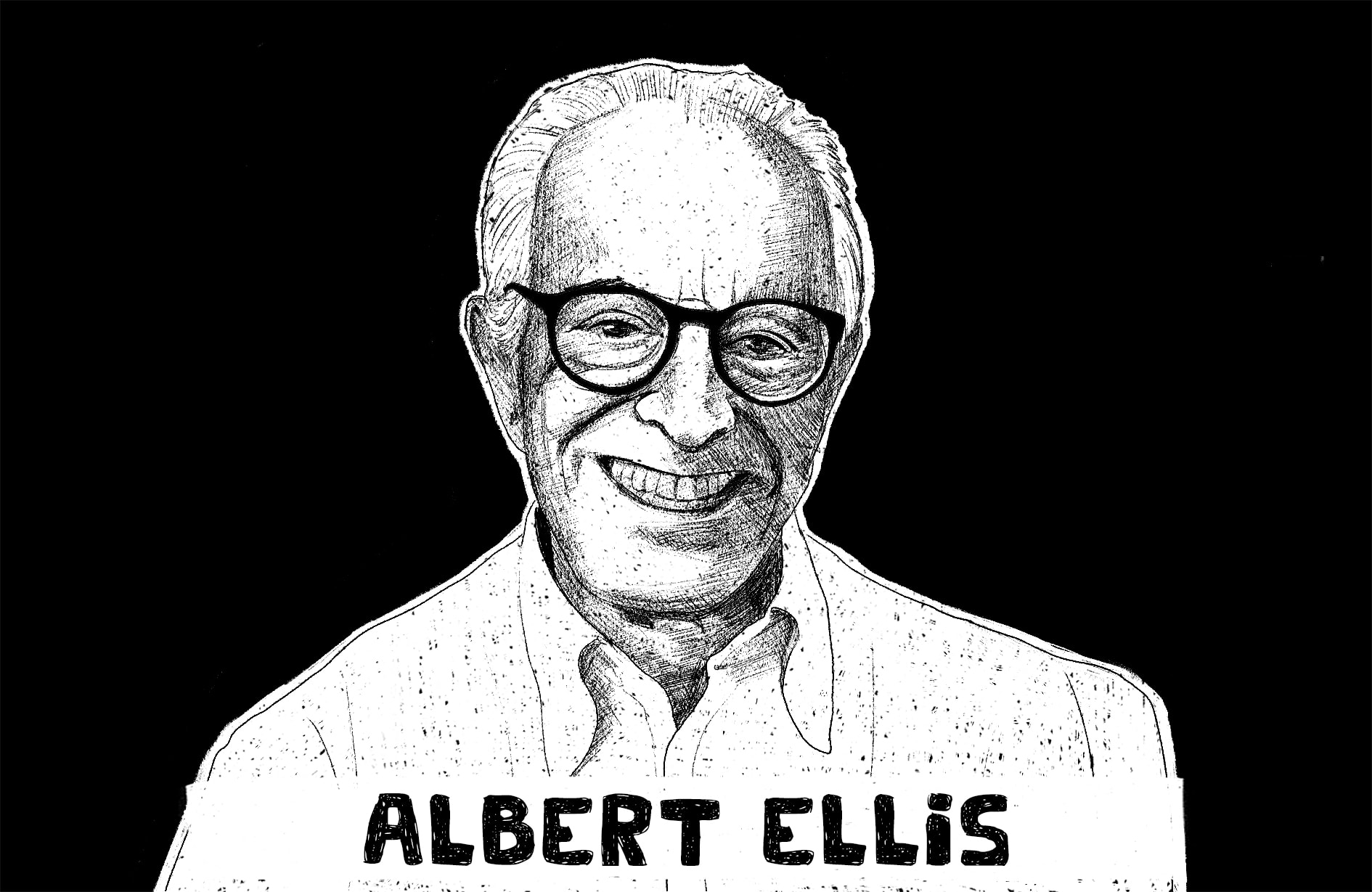
Ellis concluded that it is the way we think about experiences, and not the experiences themselves, that lead to disturbed emotions. He suggested that illogical thought patterns underlie all psychological disturbances. The goal of REBT is to help clients replace illogical beliefs with more rational ones. It has been used successfully to treat a wide variety of psychological problems and to address multiple challenges associated with daily living.
Ellis also developed a reputation as a sexologist and espoused a very liberal attitude toward sex. He was considered a major player in the American sexual revolution of the 1960s. He wrote extensively on both sexuality and REBT and was ranked as one of the most influential figures in psychology. He died in 2007 at the age of 93.
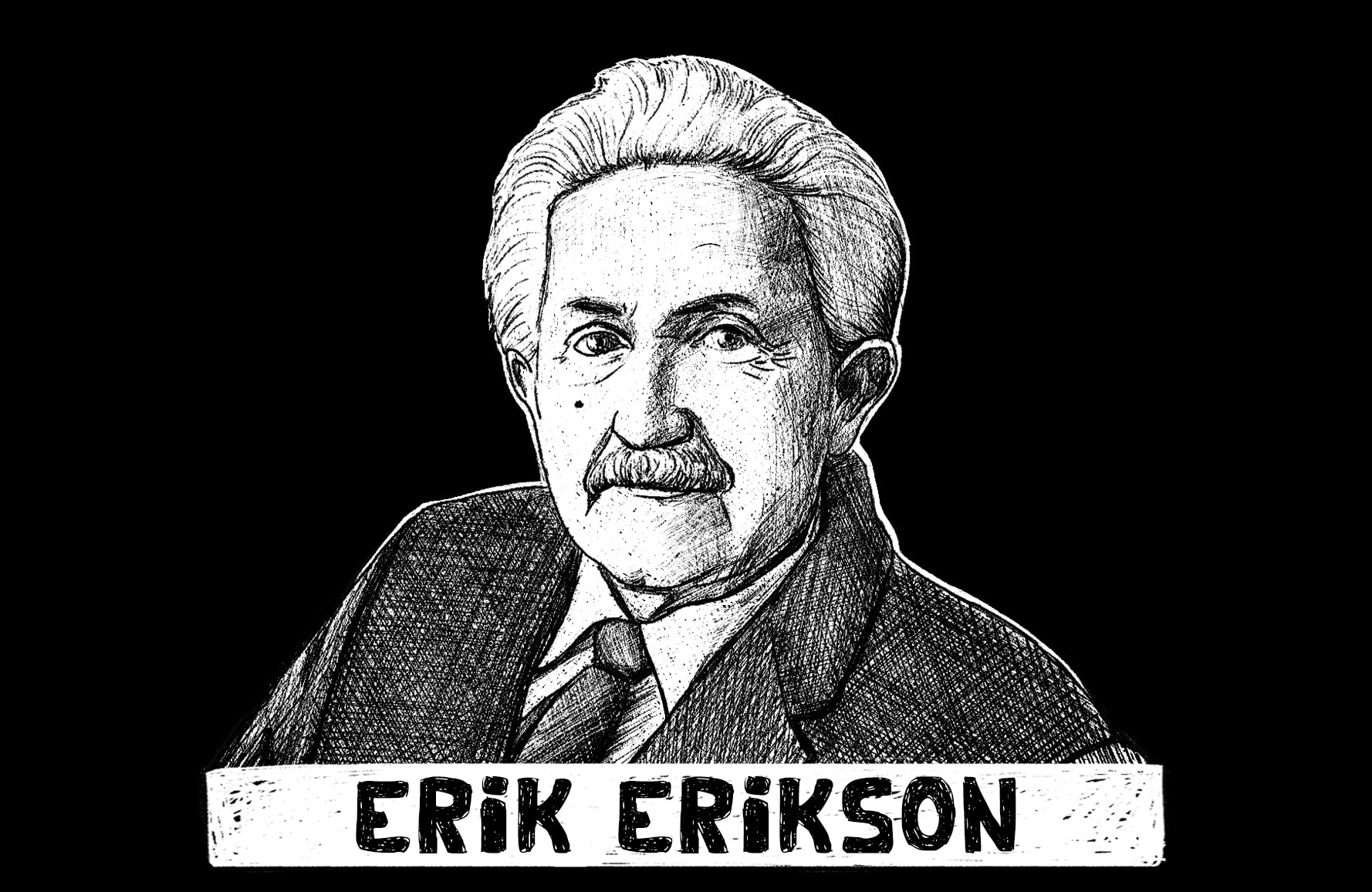
Erik Eriksonwas a German-American psychoanalyst and developmental psychologist. He is known mainly for his theory of psychosocial development. While Erikson agreed with Freud’s view that human personality develops in a series of stages, he believed that an individual needs to overcome social conflicts throughout his or her life in order to become a healthy, fully functional person. This perspective differed from Freud’s belief that people need to overcome psychosexual conflicts during childhood if they want to become fully functional adults.
Erikson’s psychosocial theory is one of the most popular concepts in the field of psychology. His ideas on personality development have been applied to a number of different industries such as education and health care. Erikson’s theories have also been very helpful for parents as they can get a better idea of the type of conflict a child may be experiencing at a particular age. Once the challenge can be properly identified, parents are in a much better position to help their child to resolve the issue and grow.
Erik Erikson is recognized as the 12th most cited psychologist in history. He passed away on May 12, 1994 at the age of 91.
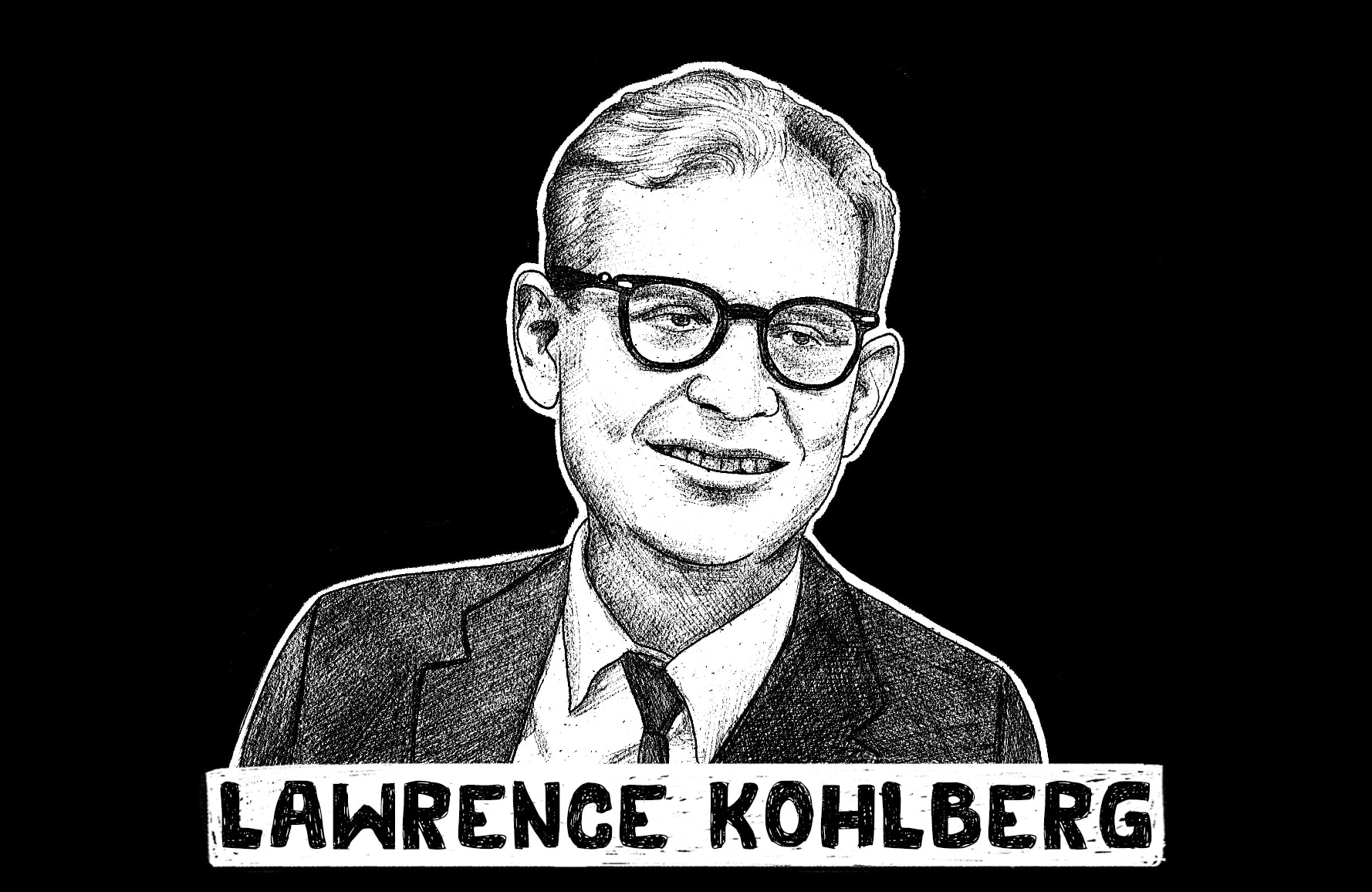
Lawrence Kohlbergwas an American psychologist who is notable for his theories of moral development. He developed his theories after presenting young boys with a series of moral dilemmas and asking their opinion on what should be done. Each dilemma offered a choice between (1) obeying a general rule, or (2) disobeying the rule to fulfill a human need. Based on their responses, Kohlberg concluded that there are six stages of moral development: (1) Punishment and Obedience Orientation, (2) The Instrumental Purpose Orientation, (3) “Good boy” or “Good girl” Orientation, (4) The Social-Order-Maintaining Orientation, (5) The Social-Contract Orientation, and (6) The Universal Ethical Principle Orientation.
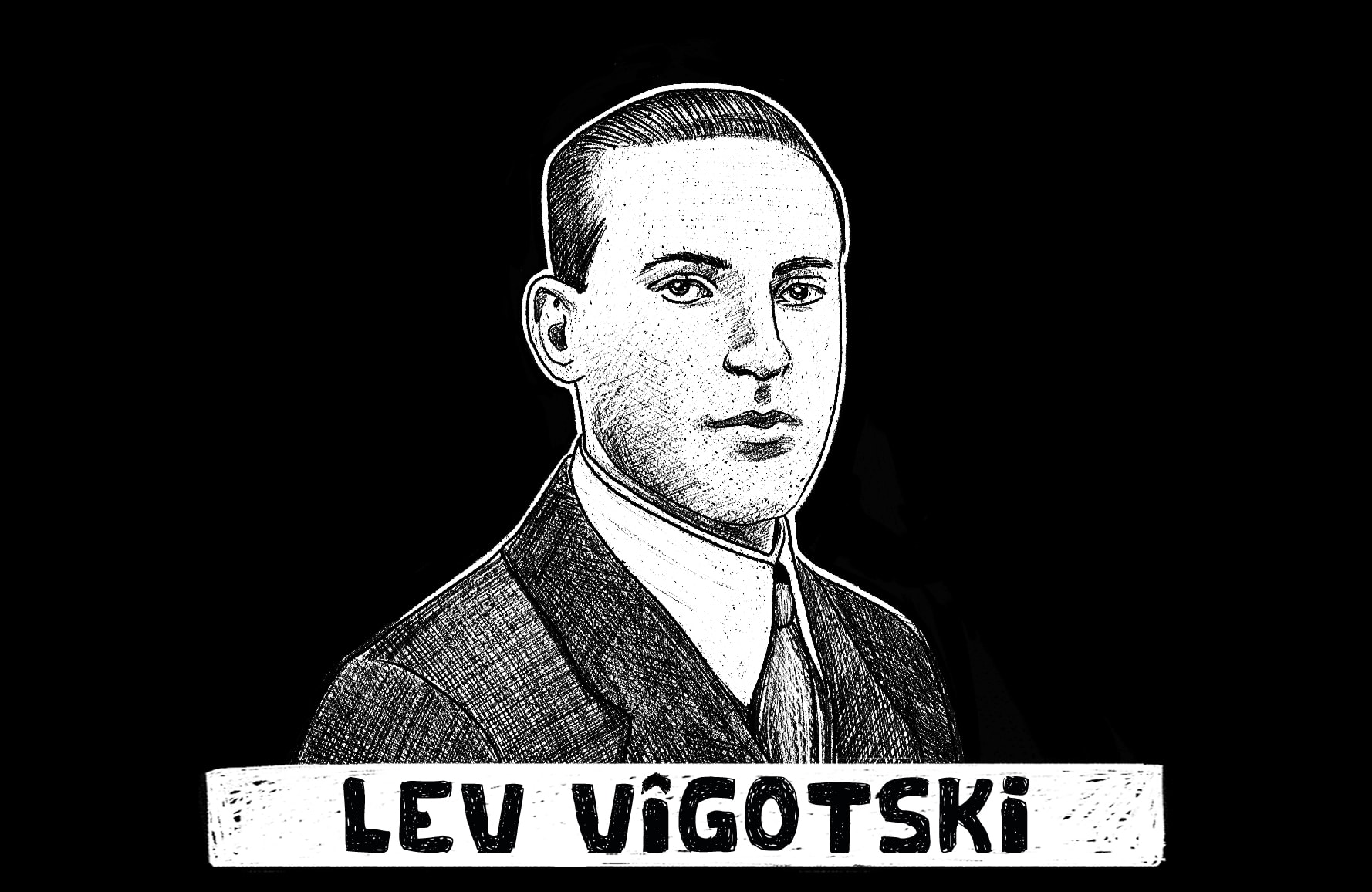
Lev Vygotskywas a Jewish-Russian psychologist who specialized in the psychological development of children. He is best known for his cultural-historical theory (also referred to as the sociocultural theory or the social development theory). Vygotsky suggested that the environment in which children are raised has a significant impact on what children think about and how they learn. He also believed that the process of learning may differ between cultures.
Vygotsky died from tuberculosis on June 11, 1934. He was only 37 years old when he passed away. Vygotsky has been described as the “Mozart of psychology” due to the many ingenious concepts he developed during his brief professional career. However, his early death prevented him from finishing many of his theories.
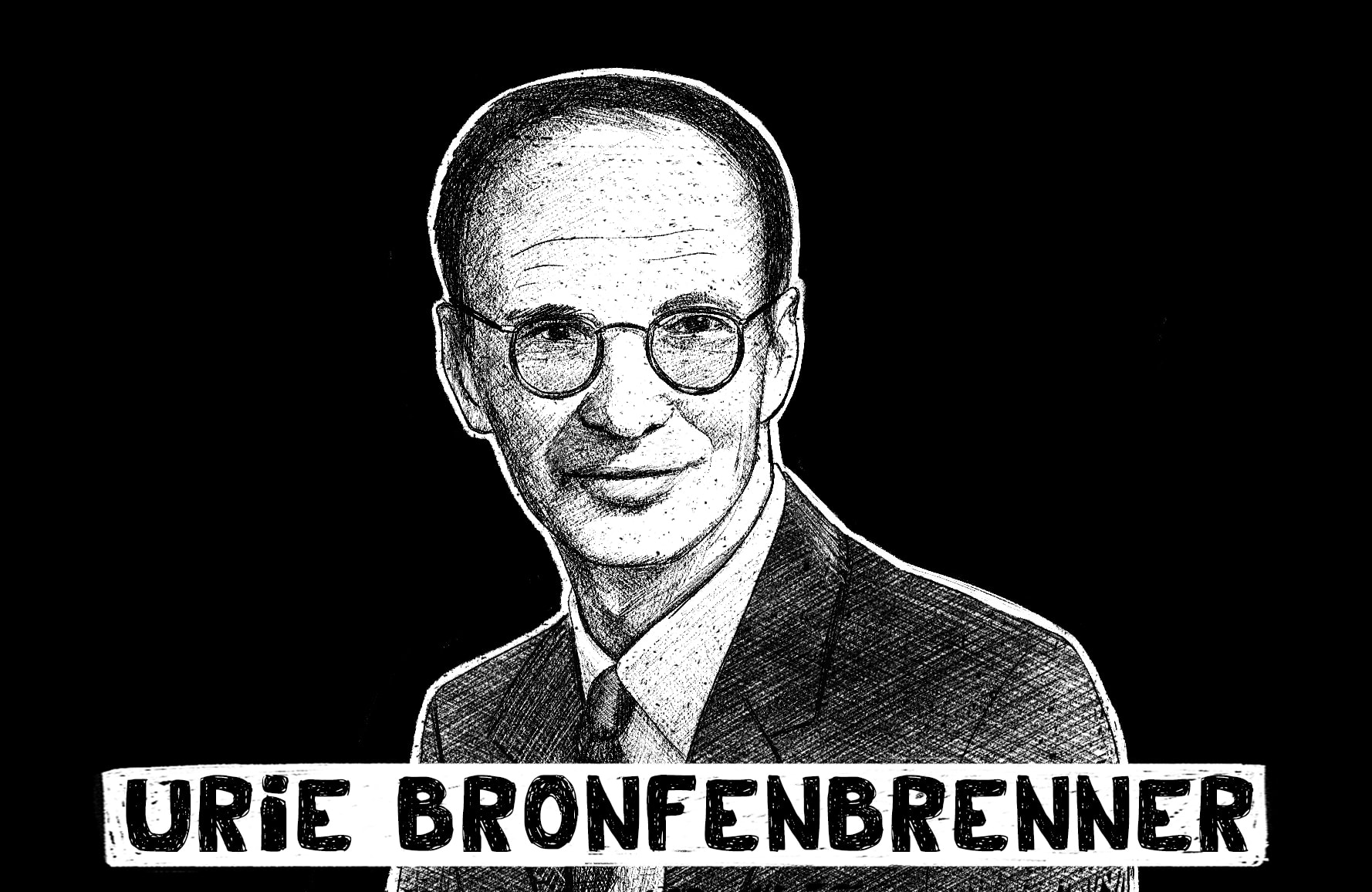
Urie Bronfrenbrennerwas a Russia-born American psychologist, researcher, writer, and activist. He is known primarily for developing his ecological systems theory. This theory examines how children interact with different environmental factors within their community and wider society, and how this interaction may influence their development. Bronfenbrenner’s research contributed significantly to the growth of ecological psychology and developmental psychology.
Much of Bronfrenbrenner’s research was centered on the importance of early childhood education and family support. He believed that wider society benefits when families are given the tools and assistance they need to carry out their social roles. Bronfrenbrenner highlighted that the moral fabric of society tends to break down when the responsibility of raising children is shifted from the family to schools and other institutions. He was a key figure in the establishment of the Head Start Program that assists children from low-income families in the United States.
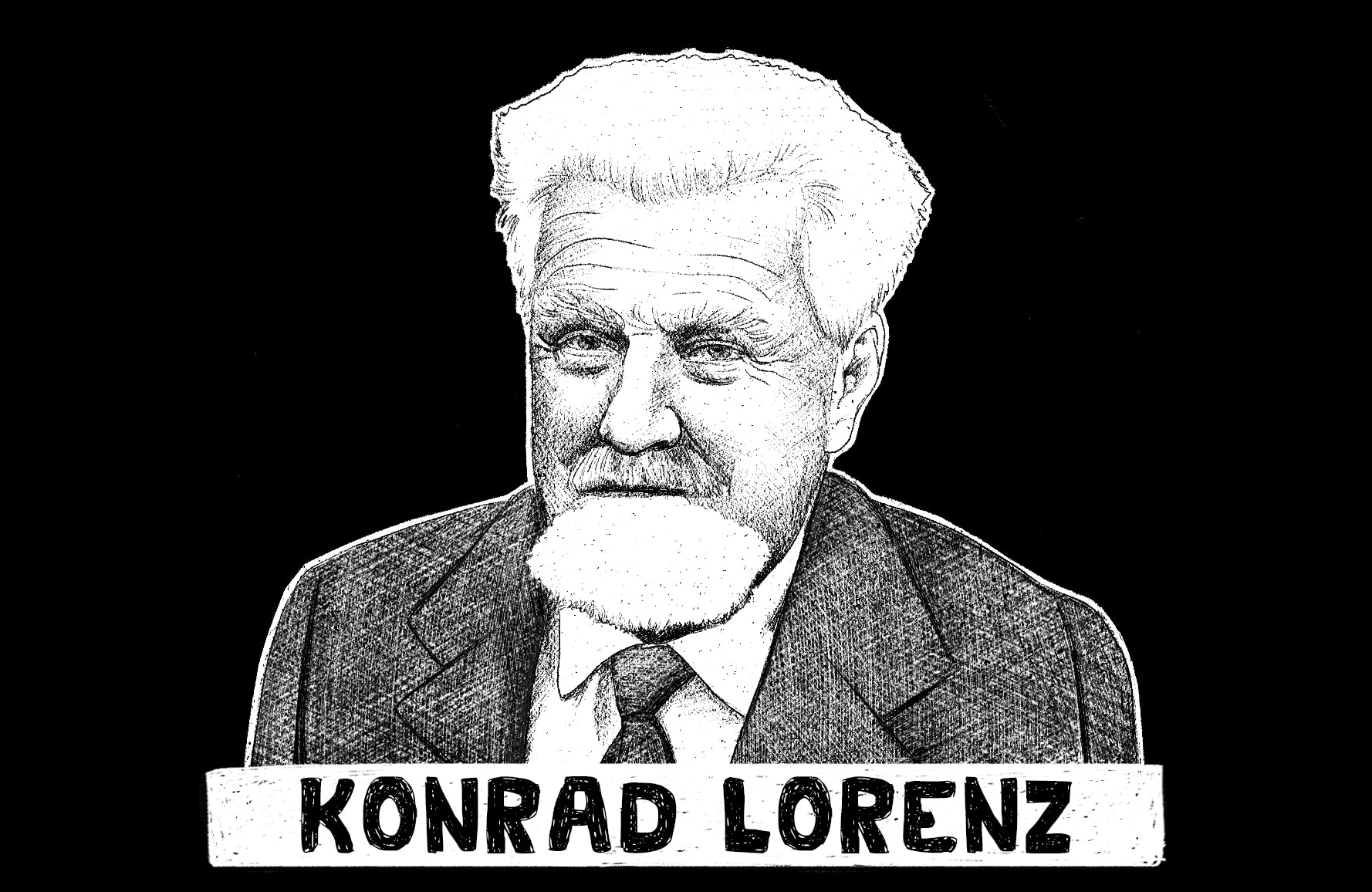
Konrad Lorenzwas an Austrian zoologist and ethologist. He is often credited as the founding father of modern ethology. Lorenz conducted extensive research on instinctive behaviors in animals. He is best known for his detailed documentation of the process of imprinting.
Imprinting refers to a form of learning where newborn animals quickly become attached to the first large moving object they see. Lorenz demonstrated the phenomenon in 1935 with greylag geese and later with mallards. Lorenz was able to imprint himself on the young goslings and ducklings, who followed him around as if he was their real mother. His research provided evidence that some behaviors are inborn and may have a genetic basis for the survival of the species.

Dweck claims that mindset plays a key role in how people learn and approach challenges that test their intelligence. She also believes it may impact how individuals view their relationships and address interpersonal conflicts. Dweck suggests that mindset develops during early childhood, but it can be changed later in a person’s life. Her theories have influenced fields such as education, sports, and business.
Dweck is currently located at Stanford University where she serves as the Lewis and Virginia Eaton Professor of Psychology. She is also an award-winning author whose works includeMotivation and self-regulation across the life span(1998),Self-theories: Their role in motivation, personality and development(1999),Handbook of competence and motivation(2005), andMindset: The New Psychology of Success(2006).

Kolb’s learning cycle model directly contributed to his theories on individual learning styles. He proposed four distinct learning styles—diverging, assimilating, converging, and accommodating—and suggested that each person has a preferred way of learning. Kolb later developed his learning style inventory (LSI), which is an assessment tool used to determine an individual’s preferred learning style. Kolb’s learning style inventory is still in use among educators and institutions today.
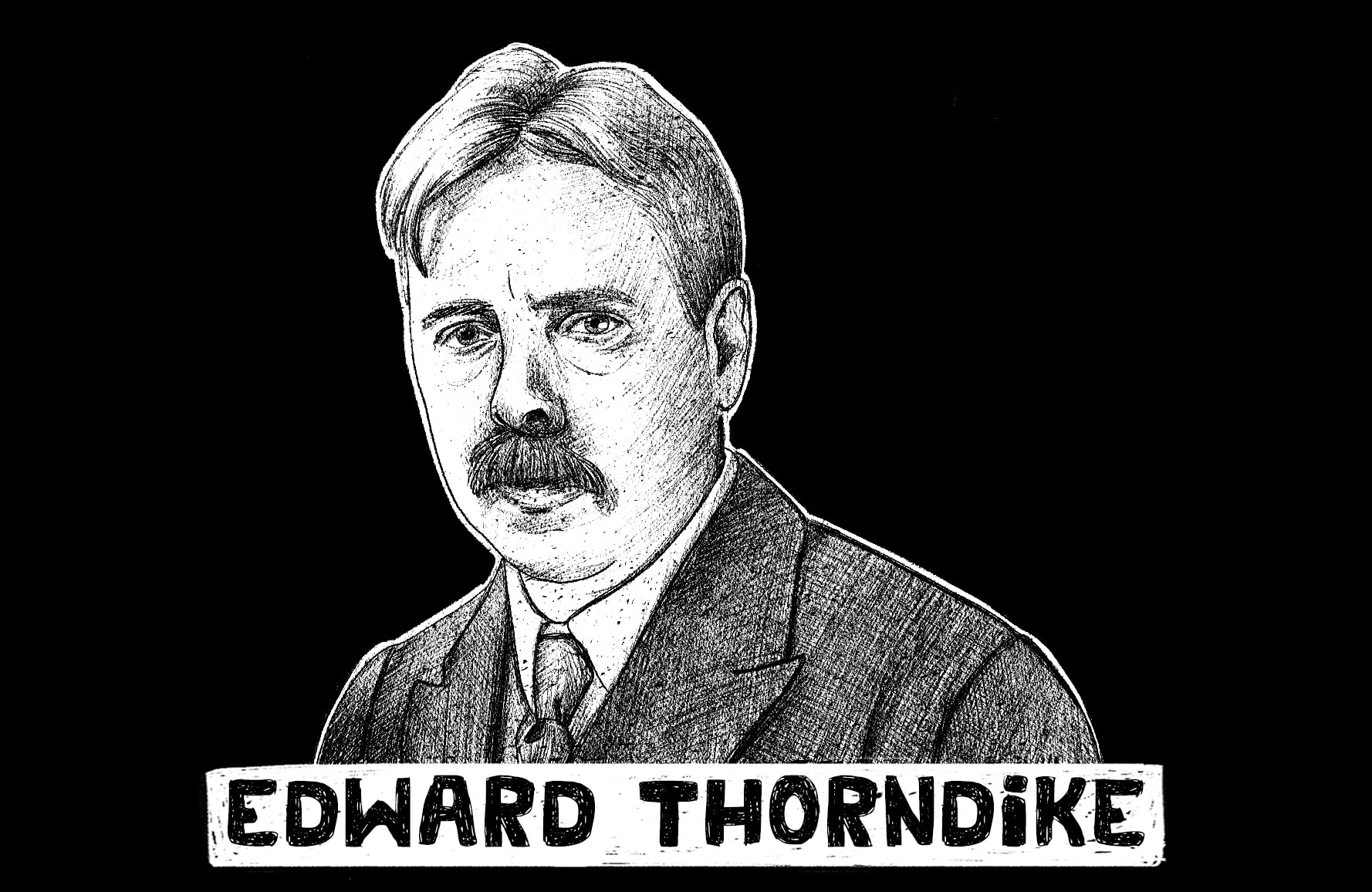
Another key contribution that Thorndike made to the field of psychology is his theory of intelligence. He believed that intelligence is a combination of different abilities that are independent of each other, but able to work together to complete a task. Thorndike theorized that intelligence could be broken down into three distinct categories. They include abstract intelligence (the ability to think using words, numbers, and other symbols), mechanical intelligence (the ability to use tools and manipulate physical objects), and social intelligence (the ability to work well with other people).
Thorndike’s work laid a strong foundation for future research on human learning and contributed to the rise of behaviorism. His research has also made a major impact on the education sector. Some of the concepts Thorndike introduced are still used in schools today. He died on August 9, 1949.
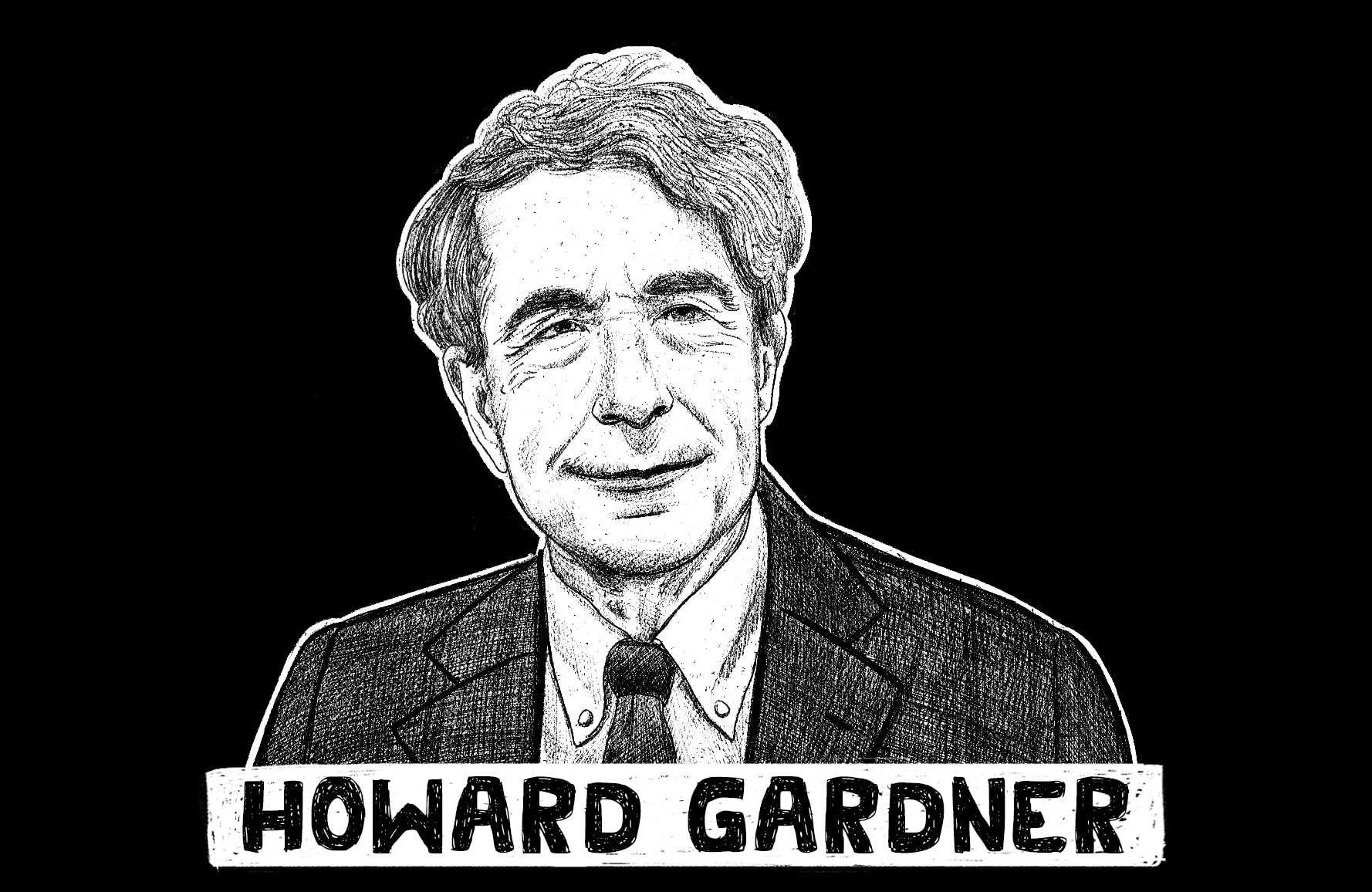
Howard Gardneris an American developmental psychologist who gained public recognition for his theory of multiple intelligences. When he began his work, intelligence was generally viewed as a singular factor that could influence all mental tasks. However, Gardner rejected this viewpoint and argued that such a narrow perspective was not able to account for all the intellectual abilities humans possess. Rather than a single, general intelligence, Gardner suggested humans have at least eight different types of intelligence. These include linguistic, logical-mathematical, spatial, musical, bodily-kinesthetic, naturalistic, interpersonal, and intrapersonal intelligence.
Gardner’s research helped to revolutionize the education system in many countries. While only two of his suggested intelligences (linguistic and logical mathematical) are usually emphasized in schools, he helped educators to realize that people can be intelligent in many other ways. Gardner’s principles have helped teachers to see the benefits of individualizing their instructions, and presenting lessons in creative ways such as through music, field trips, role play, or art. His research has also been used in the business world to help employers assign employees to tasks that are compatible with their strengths.
Howard Gardner has received 31 honorary degrees from universities around the world. He retired from teaching in 2019.
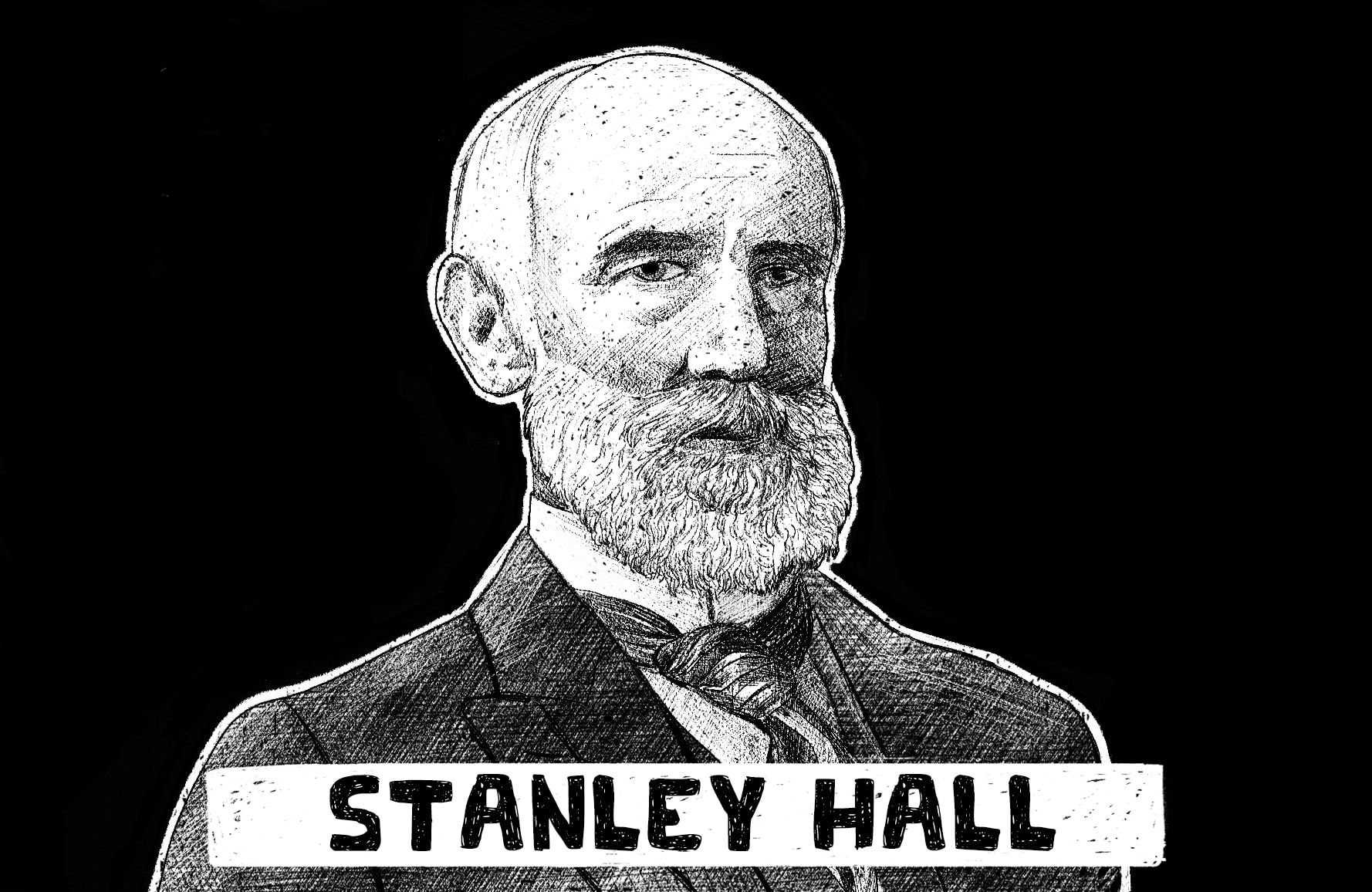
Granville Stanley Hallwas an American psychologist and educator who pioneered the study of psychology in the United States. He is known for achieving a number of “firsts” in the field such as being the first American to receive a doctorate on a psychological topic, establishing the first psychology lab in the United States, founding the nation’s first psychology journal, and serving as the first president of the American Psychological Association. Hall taught Joseph Jastrow—the first American to receive a PhD in psychology—and awarded eleven of the first fourteen doctoral degrees in psychology in the country. Several of his students such as Lewis Terman, Edmund Sanford, William H. Burnham, and Raymond Cattell went on to make major contributions to the field.
Hall is credited with laying the foundation for child psychology and education psychology. He died on April 24, 1924.
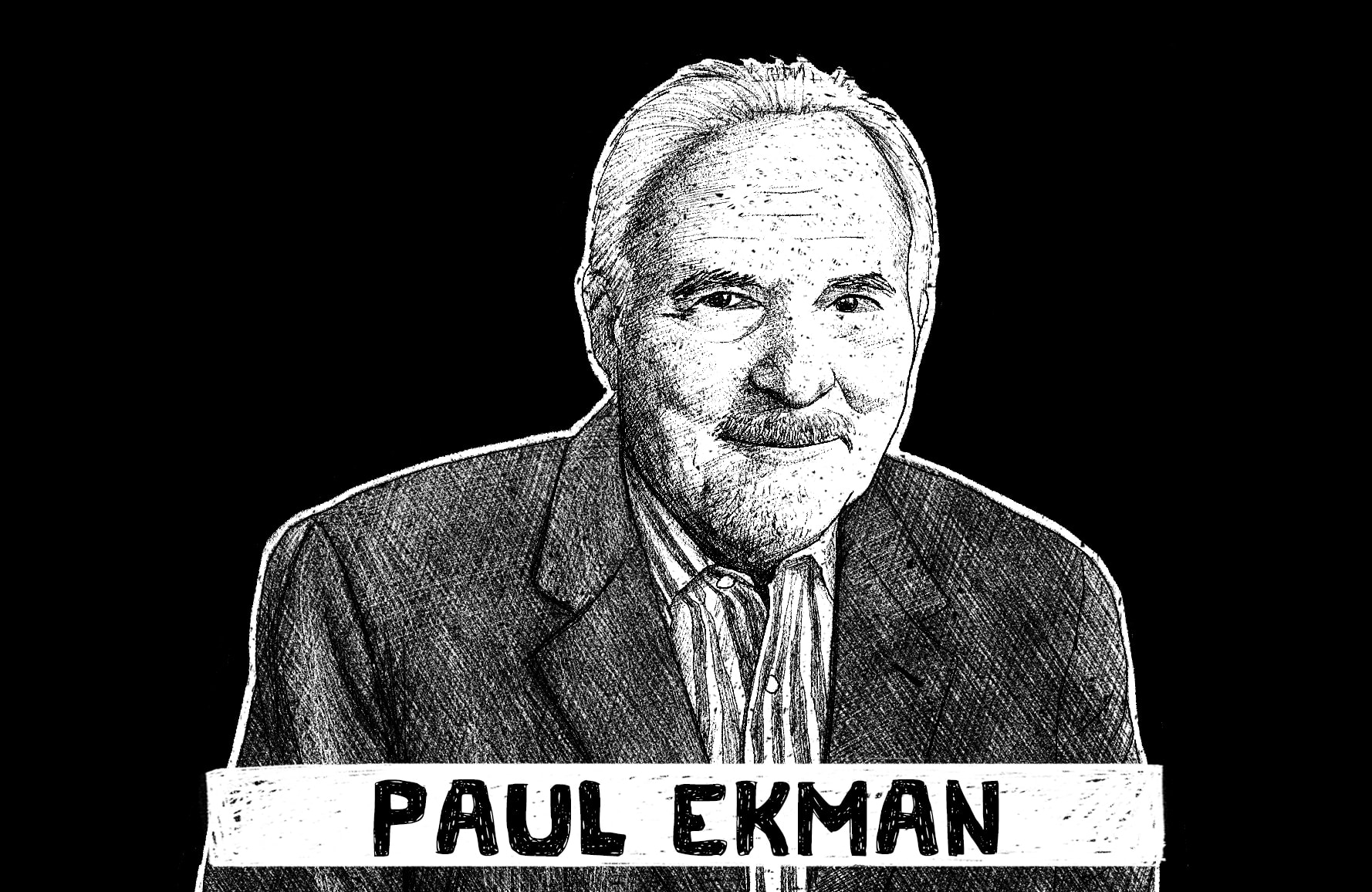
Paul Ekmanis an American psychologist who is famous for his work on the association between human emotions and facial expressions. He believes that humans have only six basic emotions—happiness, surprise, sadness, anger, fear, and disgust. Ekman also suggests that each basic emotion is linked to specific facial expressions. He conducted a number of cross-cultural studies which provided evidence that these facial expressions are universal and have a biological basis.
Ekman is also a co-discoverer of microexpressions. He suggests that people may try to conceal their emotions in certain situations, but these hidden emotions may reveal themselves via subtle facial expressions that last for less than a second. According to Ekman, these microexpressions may help to indicate when a person is being deceptive. He and his colleagues designed the Facial Action Coding System (FACS)—a tool that measures and categorizes facial movement.
Ekman’s expertise in the science of deception has granted him opportunities to work with the Federal Bureau of Investigation (FBI), Central Intelligence Agency (CIA), and the Transportation Security Administration (TSA) in the United States. He has also collaborated with animation studios on how to give life-like expressions to animated characters.
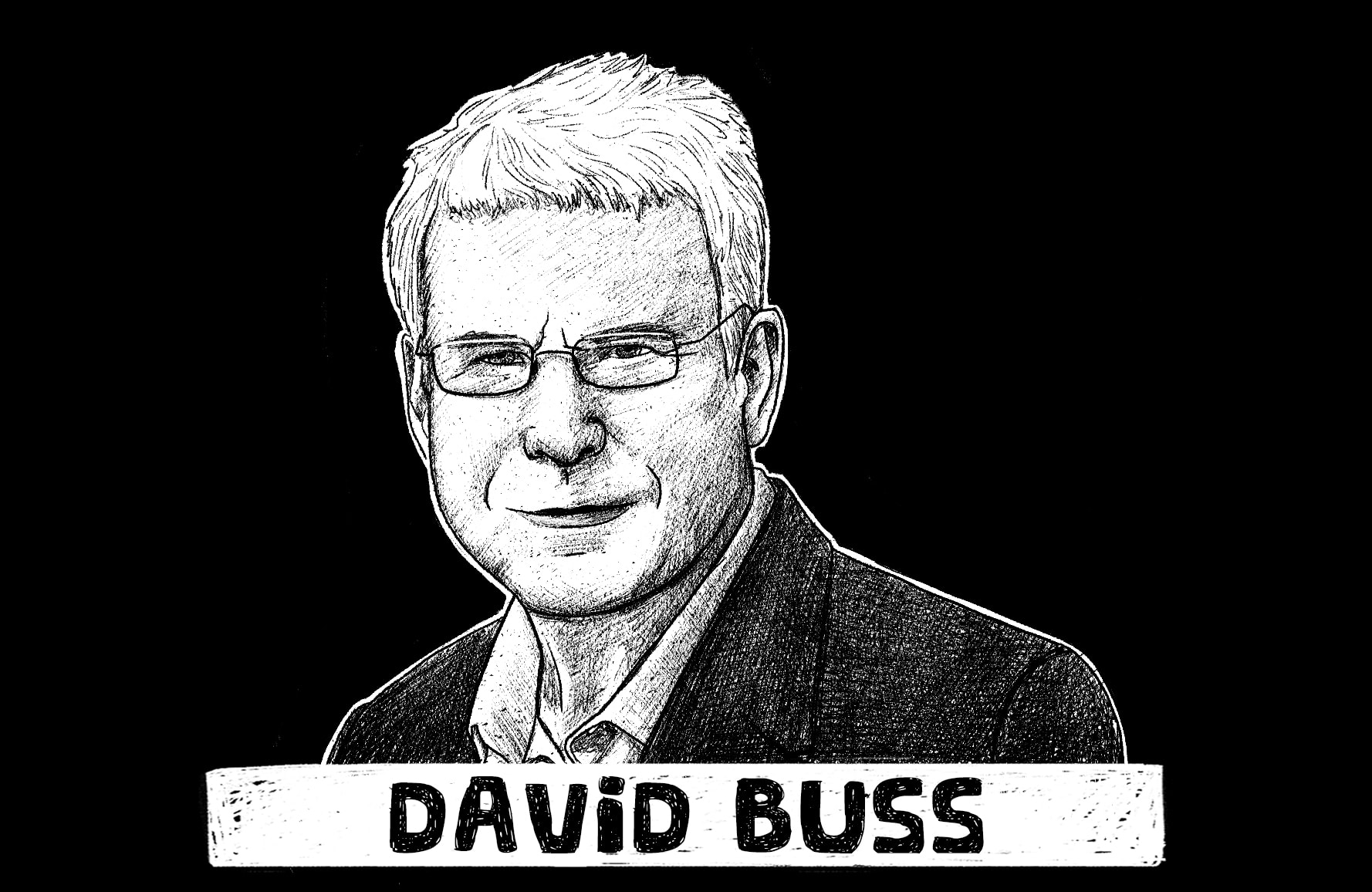
David Bussis an American psychologist who made major contributions to the field of evolutionary psychology. He has conducted research on a wide range of topics, including intimate partner violence, personality differences, and homicide. However, Buss is best known for his work on human sexuality. His most popular theories are the Sexual Strategies Theory (SST), Strategic Interference Theory (SIT), Act Frequency Approach (AFA), Homicide Adaptation Theory (HAT) and Error Management Theory.
Buss’ research explores the different strategies men and women use in mate selection and outlines how these strategies may have evolved over time. He also explains how concepts such as distress and murder may offer evolutionary advantages. Buss’ theories have helped to explain common relationship issues such as jealousy, domestic abuse, and gender-based differences in sexual desire. They also offer insights on how individuals may make themselves appear more attractive to prospective mates.
Buss has been a member of the editorial board for several peer-reviewed journals such as theJournal of Sex Research,theJournal of Social, Evolutionary, and Cultural Pschology, American Psychologist, andtheJournal of Research in Personality. In 2013, he was listed as one of the top 30 most influential living psychologists.
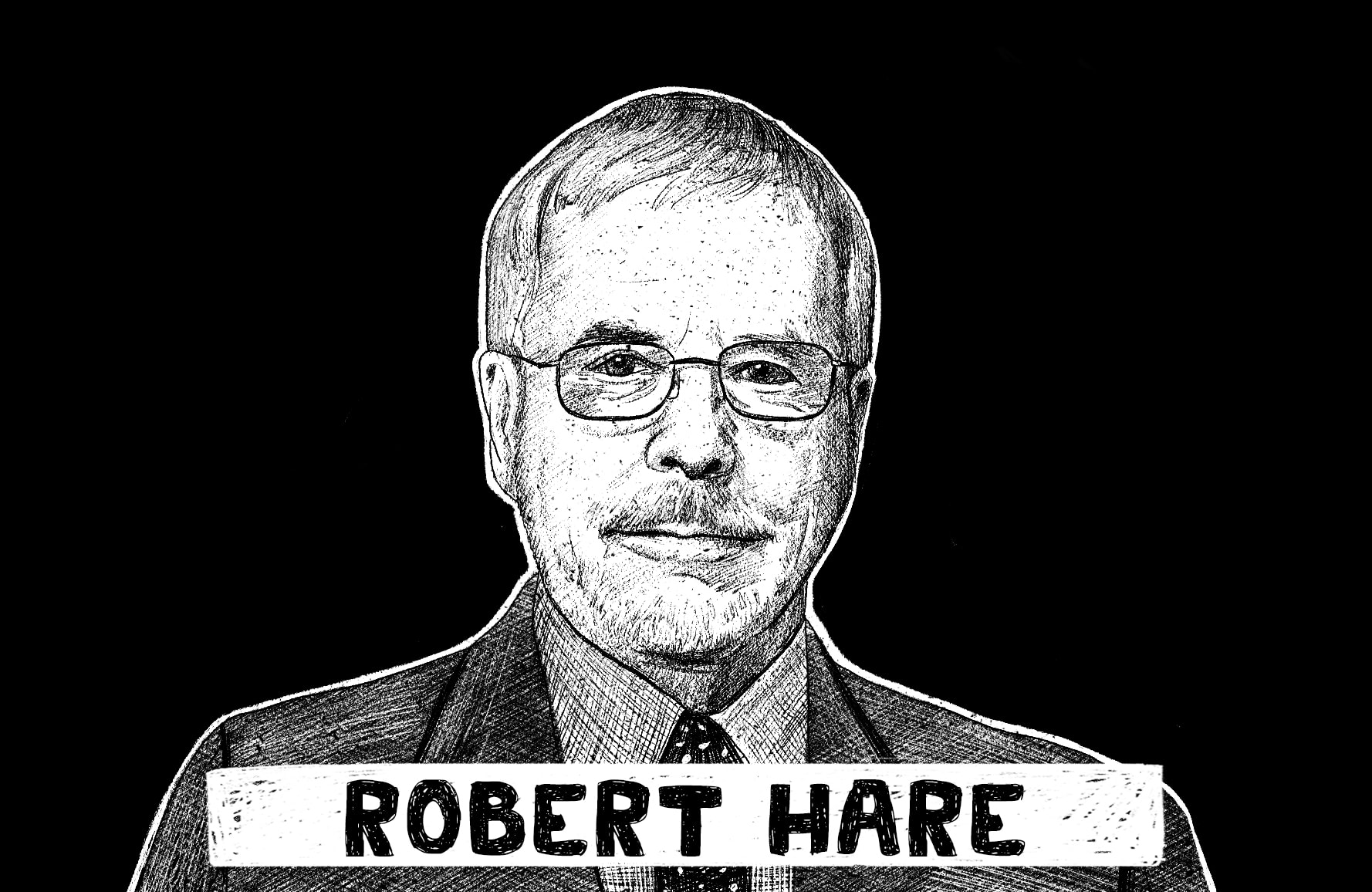
Robert Hareis a Canadian psychologist who is famous for his work on psychopathy. He designed the Psychopathy Checklist-Revised (PCL-R)—a psychometric tool that is used to assess the presence of psychopathic traits in people. Trained clinicians may also use the PCL-R to evaluate how much of a risk a specific individual is to other people. Hare’s research contributed greatly to our modern day understanding of psychopathy as well as the development of fields such as forensic psychology and criminal psychology.
Hare also conducted groundbreaking research on whether psychopaths have different brain activity than non-psychopaths. He found that non-psychopaths showed different levels of brain activity when presented with neutral words (such as chair) versus emotional words (such as torture). However, the brain activity of psychopaths remained essentially the same when they were presented with both sets of words. Hare reasoned that psychopaths may view language only as a linguistic tool without the emotional associations that influence “normal” people.
Hare penned three landmark books over the course of his career. They are titledPsychopathy:Theory and Research(1970),Without Conscience: The Disturbing World of the Psychopaths Among Us(1999), andSnakes in Suits: When Psychopaths Go to Work(2007).
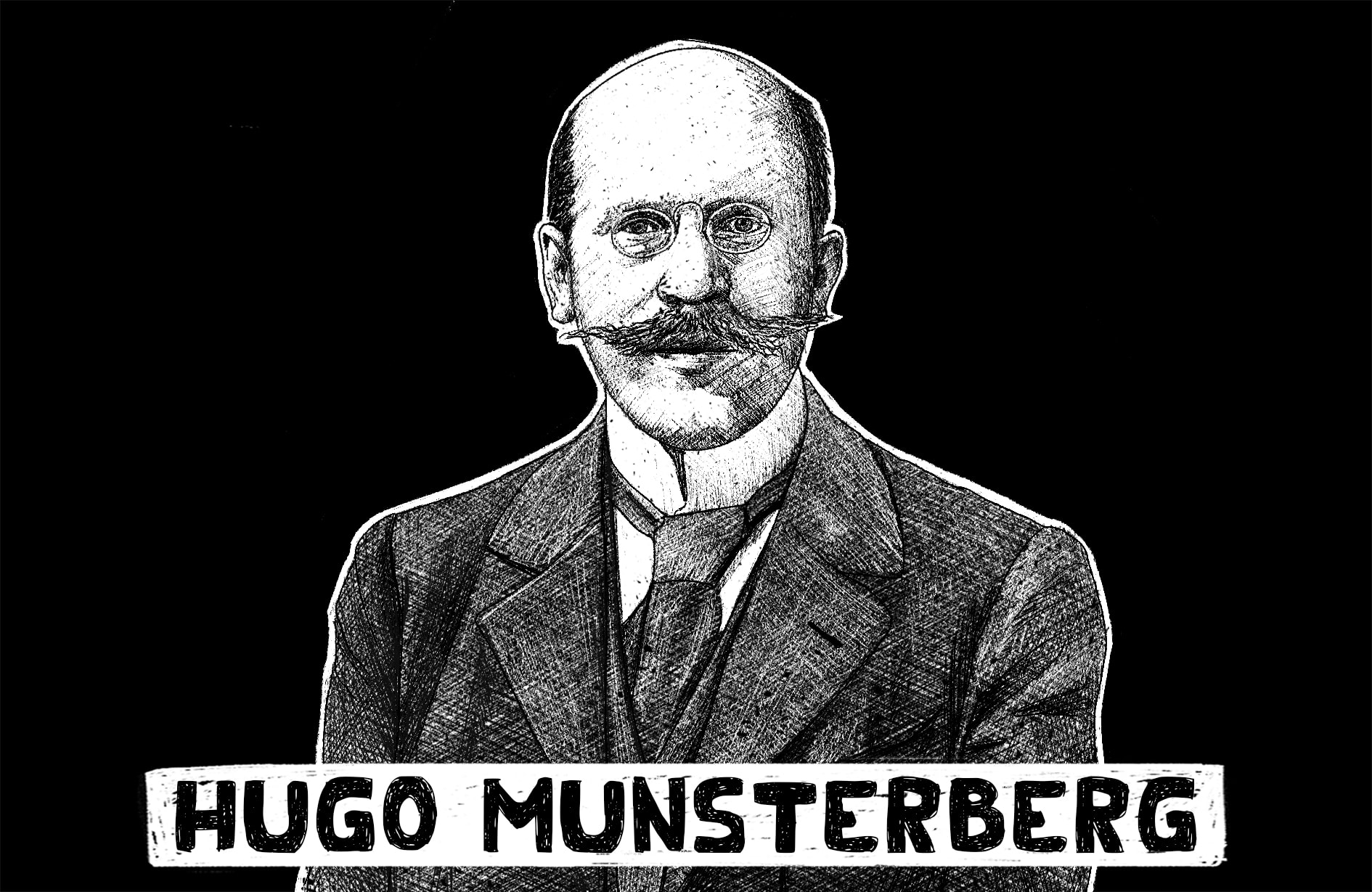
Hugo Münsterbergwas a German American psychologist who pioneered the field of applied psychology. He believed that psychology research should focus on solving problems in the real world. Münsterberg’s research was centered on helping people with health, education, and work-related issues. He made contributions to the development of clinical psychology and is often described as a founding father of applied psychology, industrial and organizational psychology, and forensic psychology.
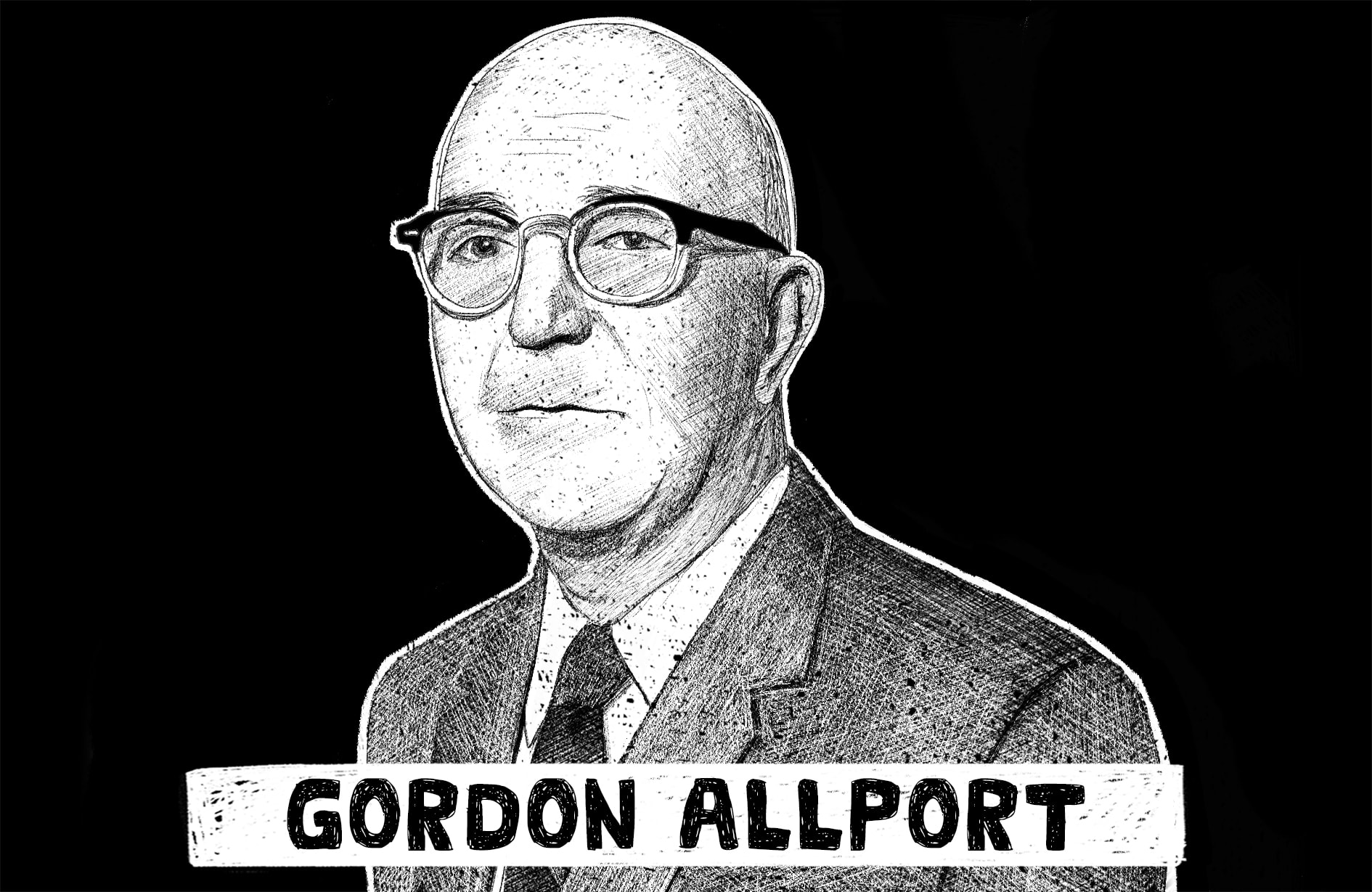
Gordon Allportwas an American psychologist who pioneered the study of human personality. He is best known for his trait theory of personality and is often described as the founding father of personality psychology. Allport’s approach to psychology focused on the uniqueness of the individual and how current events shape human behavior. He was elected president of the American Psychological Association in 1939 and ranked as the 11th most influential psychologist of the 20th century.
Although behaviorism and psychoanalysis were the two most dominant schools of thought in the late 1930s, Allport rejected both. He believed that human nature involved more than inborn reflexes, sexual drives, and repressed memories. Allport’s concept of functional autonomy made a distinction between innate drives and motives. He was also interested in the reasons people display prejudice and designed a scale to measure the amount of prejudice in a community.
Despite all of Allport’s personal accomplishments, it is possible that his greatest contribution to the science of psychology was his influence on his students. He supervised some of the greatest minds in the field, including Jerome Bruner, Gardner Lindzey, and Leo Postman. Allport passed away on October 9, 1967. He was 69 years old.
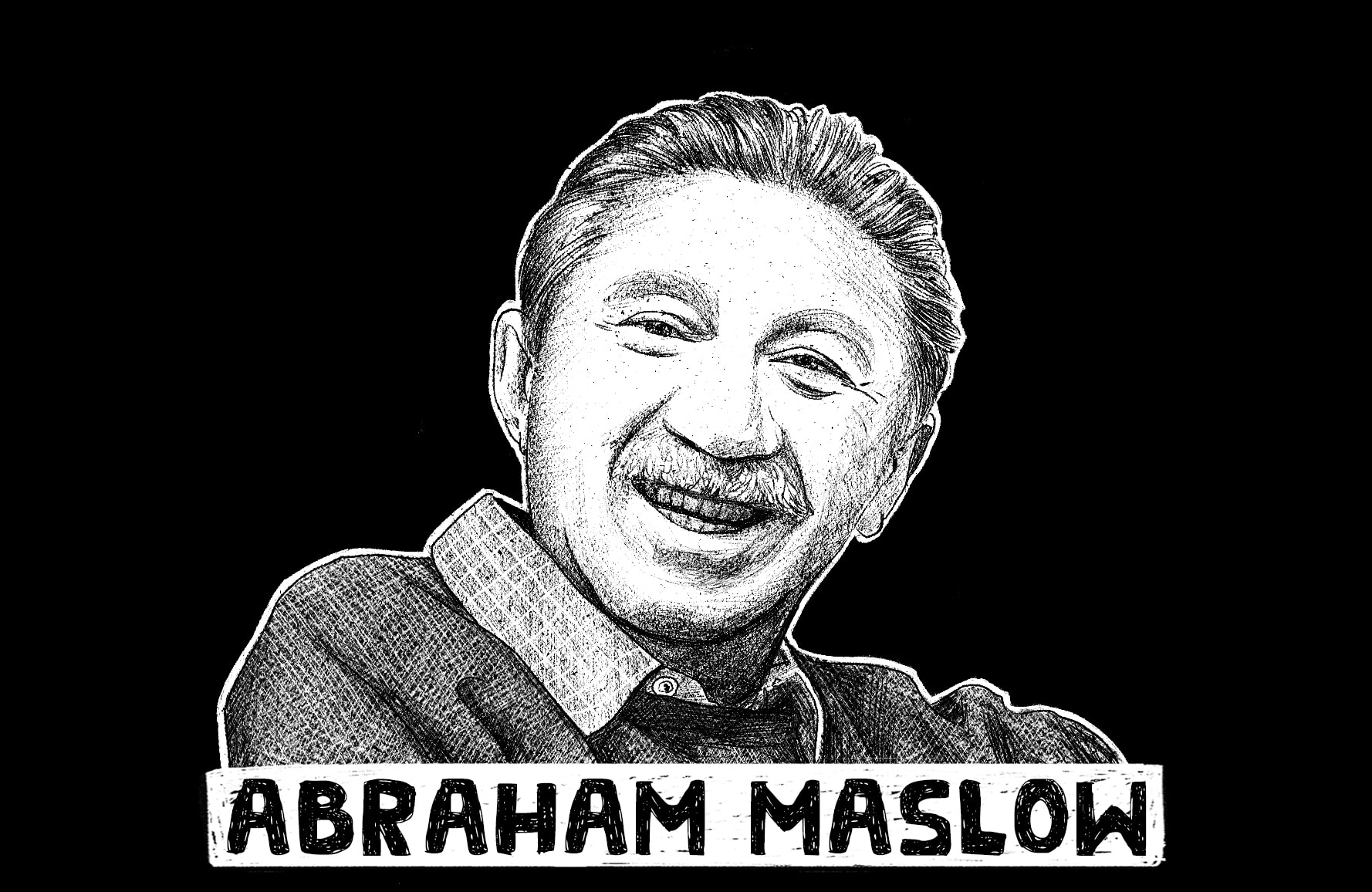
Abraham Maslowwas an American psychologist who is regarded as one of the founding fathers of humanistic psychology. Humanistic psychology emphasizes the positive aspects of the human experience and suggests that people can improve themselves over time. When Maslow entered the field of psychology, the dominant schools of thought were psychoanalysis and behaviorism. Maslow rejected both approaches because he felt the former spent too much time on mental illness and the latter was too focused on comparing the reactions of animals in a lab to complex human behaviors.
Maslow is also well known for developing a theory of human motivation which is based on a hierarchy of needs. The five needs he identified are physiological, safety, love, esteem, and self-actualization. Maslow believed that a person’s basic physiological and safety needs have to be met first because they directly impact the survival of the individual. After those needs are filled, the individual is able to focus on higher level needs such as love, esteem, and self-actualization.
Maslow’s theories have been applied to many diverse fields such as city planning, healthcare, management, and marketing. He also laid the groundwork for other schools of thought such as transpersonal psychology and positive psychology.
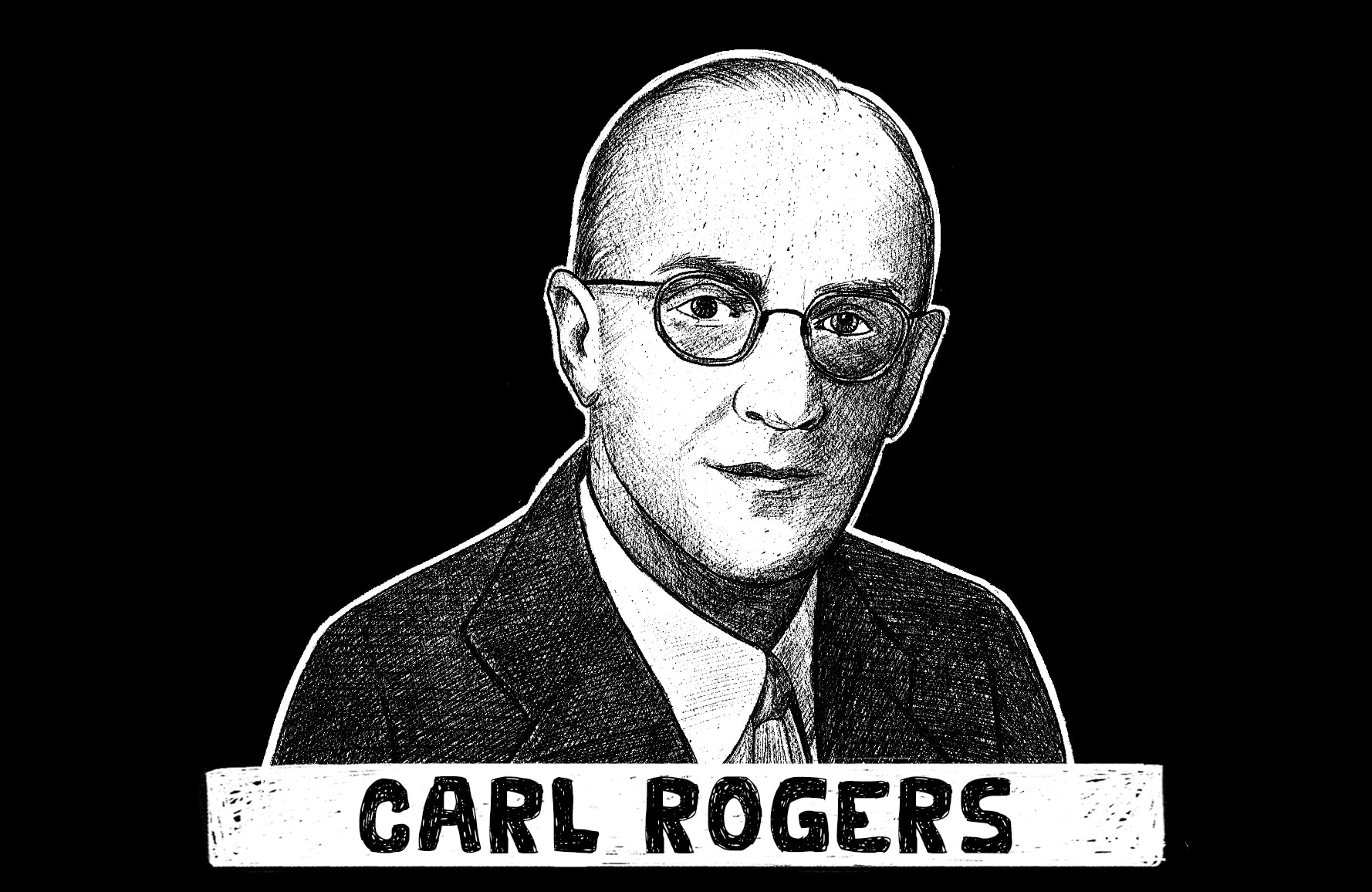
Rogers introduced concepts such asself-actualization, congruence,andunconditional positiveregard to the field of psychology. He is also known for developing person-centered therapy. This form of psychotherapy incorporates many of the principles of humanistic psychology and assumes that clients have the innate power to make positive changes. The person-centered approach has been applied to a number of fields, including business, politics, nursing, and education.
Carl Rogers died on February 4, 1987 after suffering a heart attack. He was 85 years old. Rogers was nominated for the Nobel Peace Prize a few months after he passed away. A 2002 empirical survey ranked Carl Rogers as the 6th most eminent psychologist of the 20th century.

Martin Seligmanis an American psychologist who is often referred to as the “father of positive psychology.” In the late 1990s, Seligman claimed that much of the earlier work done in psychology highlighted the negative aspects of human life, such as mental health issues, negative emotions, negative thinking, and inappropriate behaviors, and he wanted to change that approach. After becoming the president of the American Psychological Association in 1998, Seligman chose “Positive Psychology” as the theme for his term in office. Positive psychology is a branch of psychology that focuses on the positive aspects of human life and explores topics such as optimism, self-worth, confidence, and happiness.
Positive psychology is often lauded for being easy to understand, upbuilding, and practical. The approach has found a number of applications in fields such as healthcare, education, parenting, counseling, and business. Besides his work in the positive psychology movement, Seligman is also known for his theory of learned helplessness. He later refined this theory as a model for explaining depression.
Seligman is a bestselling author and some of his most popular books includeLearned Optimism(1991) andAuthentic Happiness(2002). He currently serves as the Director of the Penn Positive Psychology Center.
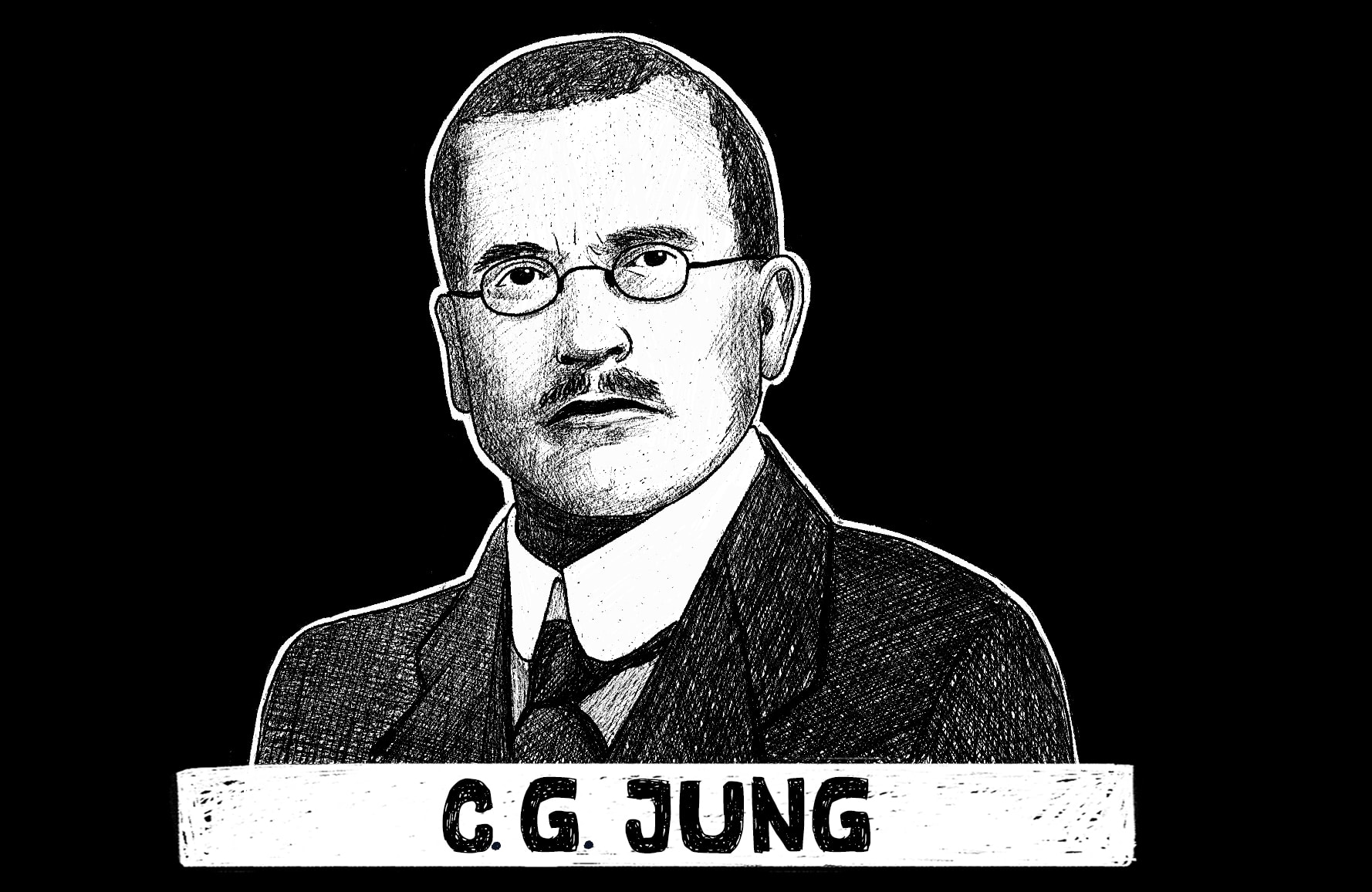
Carl Jungwas a Swiss psychiatrist, psychologist, and psychoanalyst. He is best known for his contributions to psychoanalysis and for founding analytical psychology. Jung’s early work supported Freud’s views on psychoanalysis and the two men became very close friends for several years. However, their friendship ended when Jung published a book that disagreed with several key tenets of psychoanalysis, which ultimately led to Jung being excluded from Freud’s inner circle.
While Jung agreed with some of Freud’s views on the unconscious, he disagreed with Freud’s belief that sexuality plays a key role in the development of mental health issues. Jung founded analytical psychology in order to further his own examination into the human psyche, while keeping his approach distinct from Freud psychoanalysis. After separating from Freud, Jung developed several key psychological concepts such asintroversion, extraversion, archetypes, the collective unconscious, animus, andanima. He also introduced the idea of distinguishing people based on their psychological type.
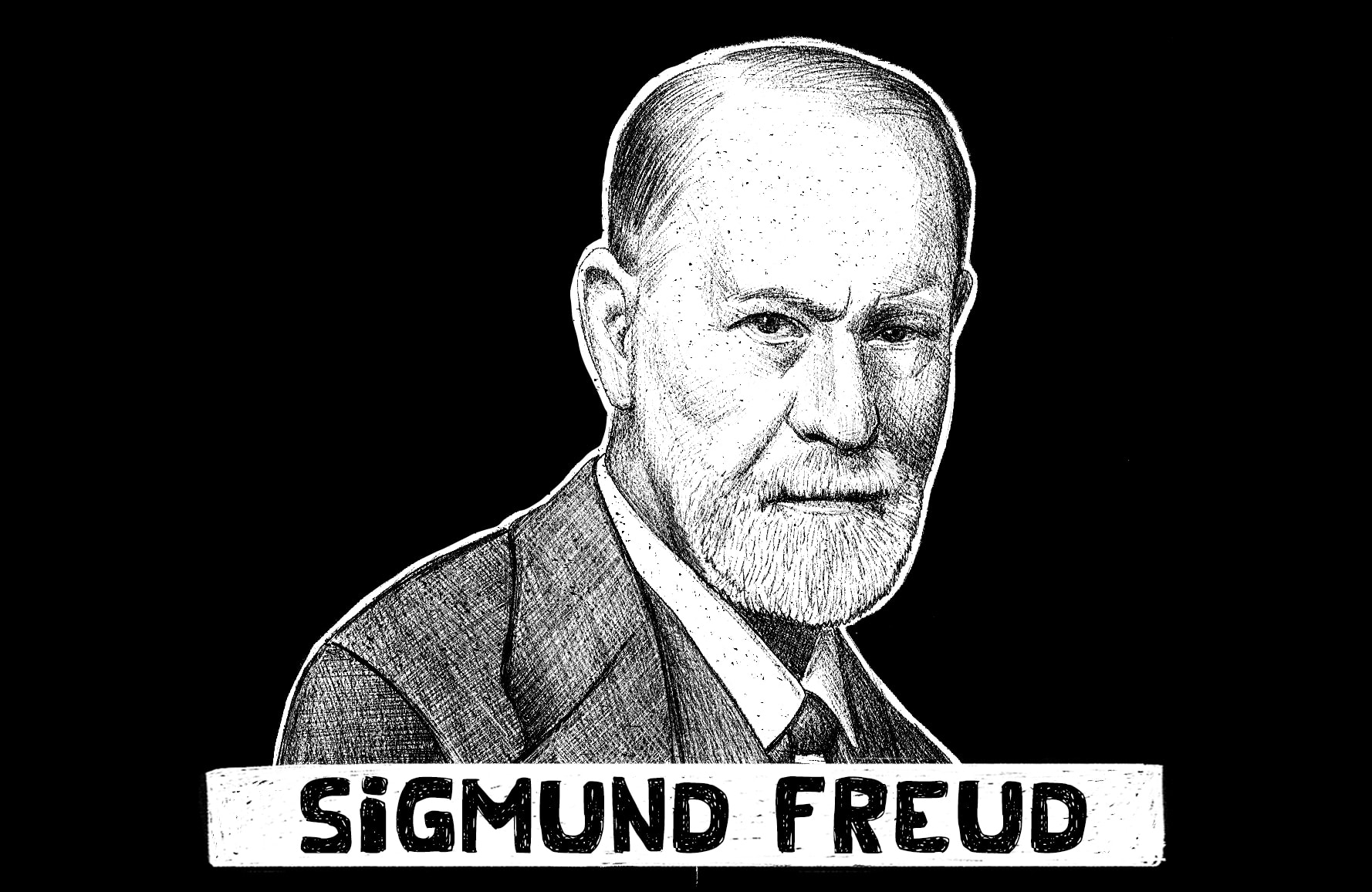
Sigmund Freudwas an Austrian neurologist who is widely considered to be the founding father of psychoanalysis. Psychoanalysis is both a psychological approach to explain human behavior as well as a type of talk therapy. Freud believed that the human mind was divided into three regions—the conscious, the preconscious (also called the subconscious), and the unconscious. He also suggested that human personality is composed of three distinct parts called the id, the ego, and the superego.
According to Freud, psychosexual conflicts in a person’s childhood play a significant role in shaping his or her personality. He believed that many unresolved experiences are held within the unconscious mind. The goal of psychoanalysis is to bring these unresolved events from the unconscious to the conscious mind where they can be addressed. Freud suggested that once this is done, a person with mental or emotional issues can begin to heal.
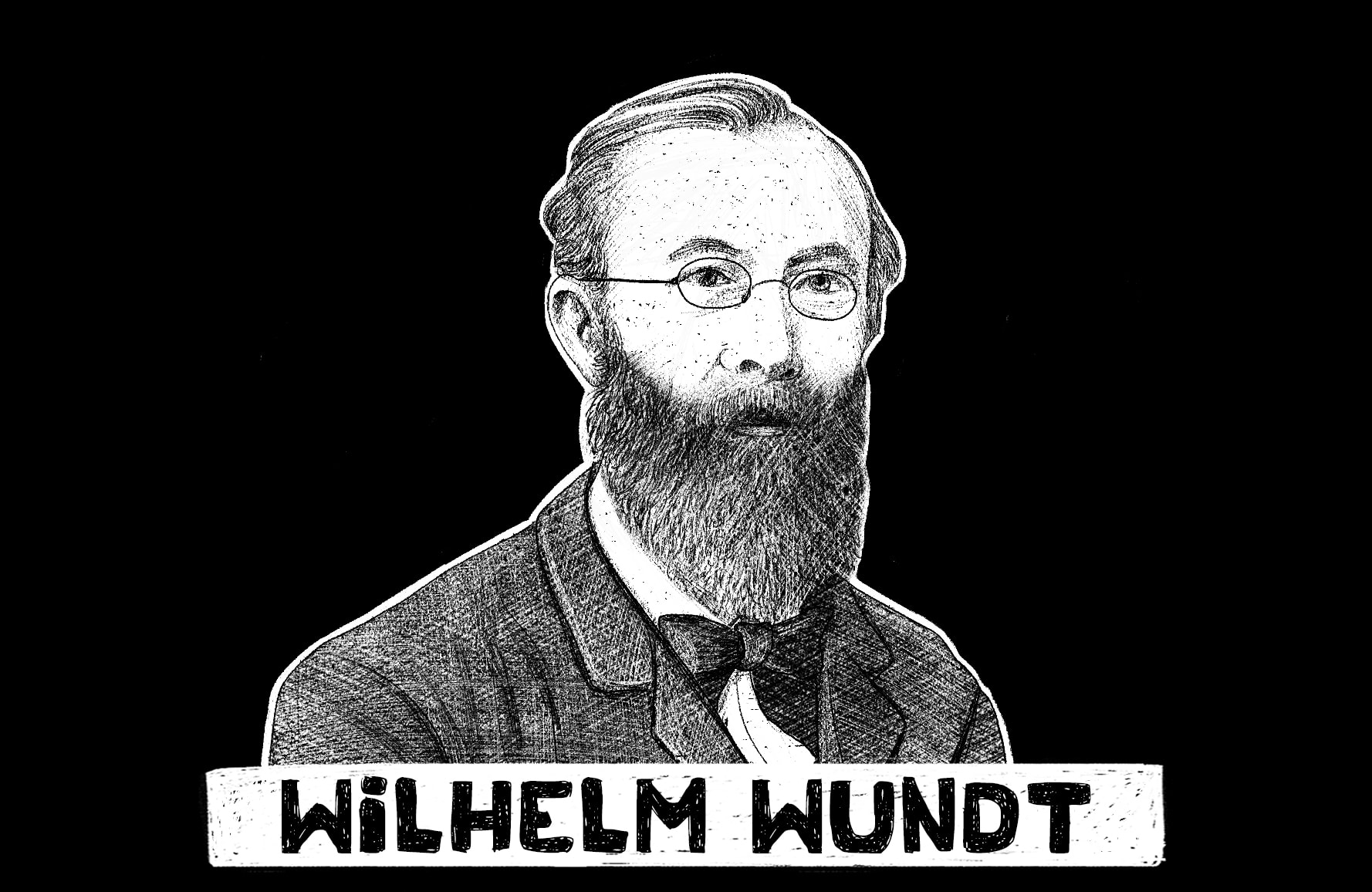
Wilhelm Wundtwas a German physiologist who pioneered the study of the human mind using scientific methods. His approach helped to highlight psychology as a science that is distinct from biology and philosophy. Wundt established the world’s first laboratory for psychology research in Leipzig, Germany, in 1879. He is often referred to as the father of experimental psychology.
Wundt founded a psychological school of thought known as voluntarism. Although he claimed that human consciousness could be broken down into smaller parts and studied, he also believed that humans were able to use their will to organize the basic components of consciousness into higher thought processes. While conducting research on the human mind, Wundt focused on elements he could control and measure objectively. His example laid the foundation for future researchers to design psychology experiments in carefully controlled settings.
Wundt’s work contributed to the development of alternative schools of thought such as behaviorism, cognitive psychology, abnormal psychology, personality psychology, social psychology, and structuralism. He passed away on August 3, 1920 at the age of 88.
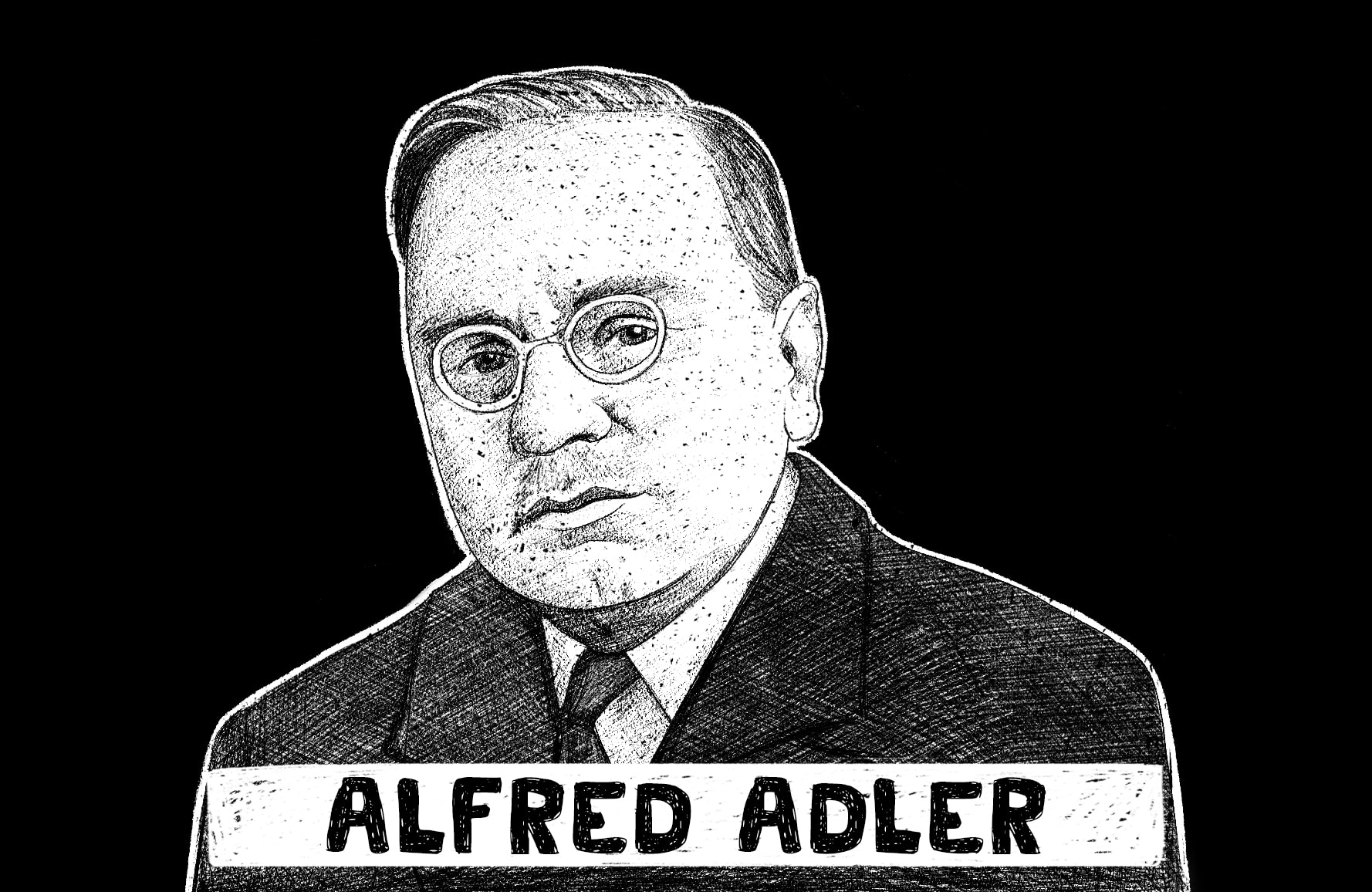
Adler introduced a number of well-known concepts to the field of psychology such asinferiority complex,superiority complex,compensation,andovercompensation. His theories have primarily been applied to the field of mental health. Adler believed that a person with good mental health feels connected to the people around him, has a desire to help others, and is driven to be the best person he can be. Adlerian therapy helps clients to reduce exaggerated feelings they may have about themselves and increase their feelings of equality and community.
Adler wrote a number of books throughout his professional life. Two of his most popular works areThe Practice and Theory of Individual Psychology(1924) andThe Pattern of Life(1930). Adler died after suffering a heart attack in 1937.
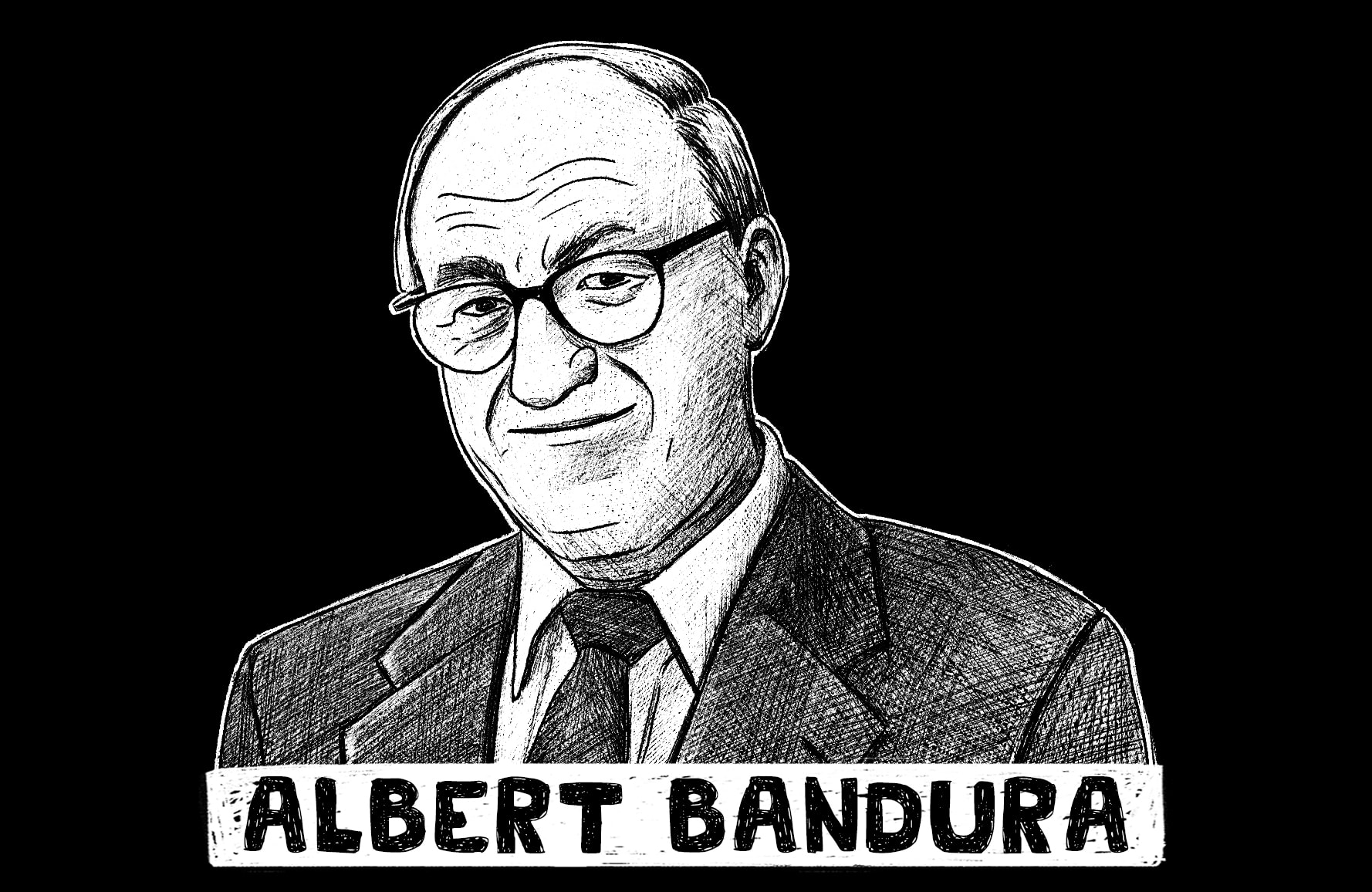
Albert Bandurais a renowned Canadian-American social psychologist and author. He is known chiefly for developing the social learning theory (later renamed as the social cognitive theory), his Bobo doll experiments and his research on self-efficacy. Bandura believes that people can learn from each other via observation, imitation, and modeling. His work helped to bridge the gap between behaviorism and cognitive psychology.
Many experts believe Bandura is the greatest psychologist alive today. Three of his most impactful books areSocial Learning Theory(1977),Social Foundations of Thought and Action: A Social Cognitive Theory(1986), andSelf-Efficacy: The Exercise of Control(1997). Bandura is currently the David Starr Jordan Professor Emeritus of Social Science in Psychology at Stanford University.
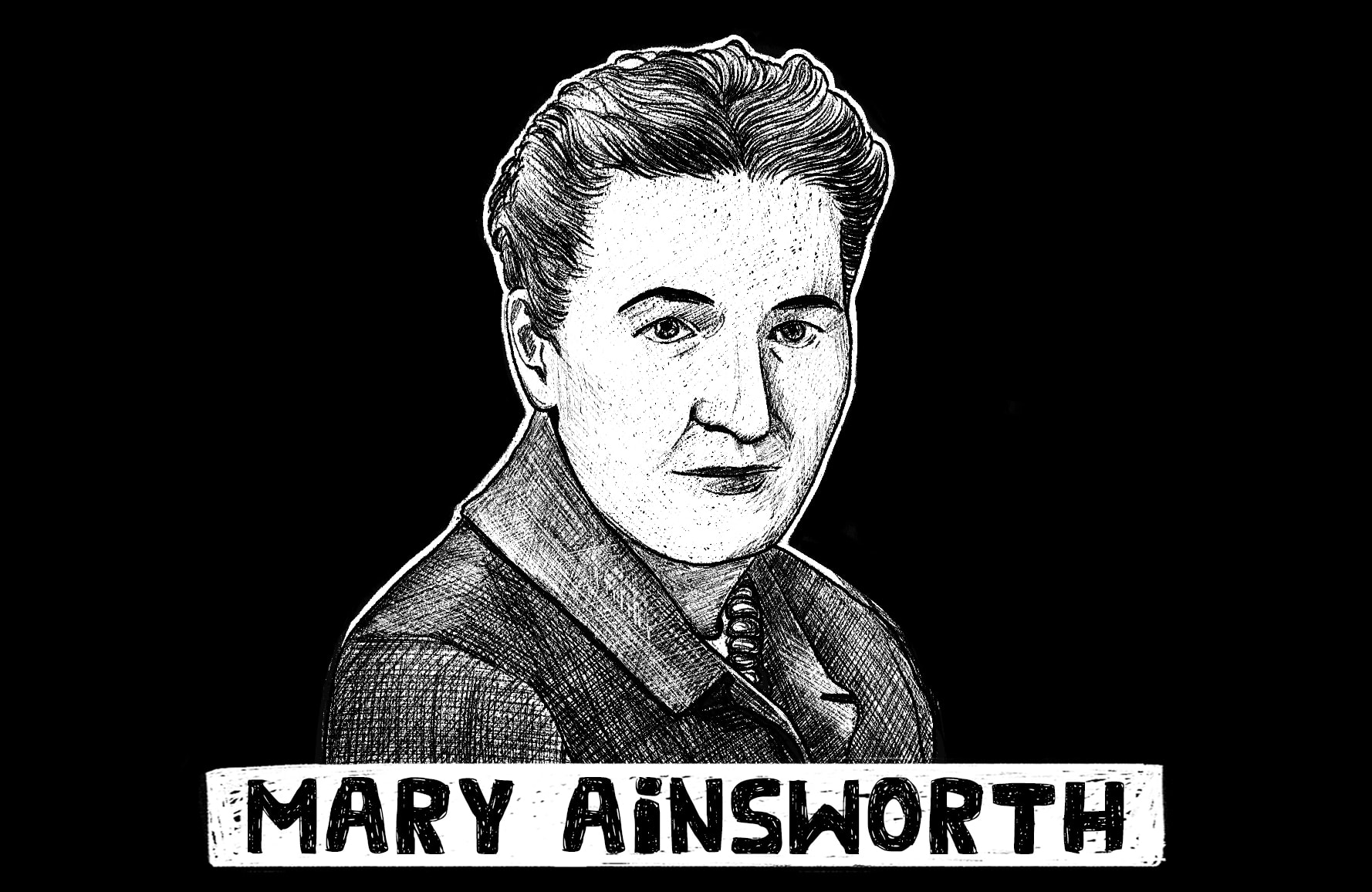
Ainsworth’s most popular books areChild Care and the Growth of Love(1965), Infancy in Uganda(1967), and Patterns of Attachment: A Psychological Study of the Strange Situation(1978).Her research on attachment has been applied to a variety of fields. For example, many modern-day parenting programs encourage strengthening the parent-child bond and reducing factors that may contribute to insecure attachment. In the mental health industry, Ainworth’s ideas are often employed during family therapy sessions.
Ainsworth is often referred to as the “mother of attachment theory.” In addition to her academic achievements, she was also highly respected for standing up to sexism in the workplace. She passed away on March 21, 1999 at the age of 85.
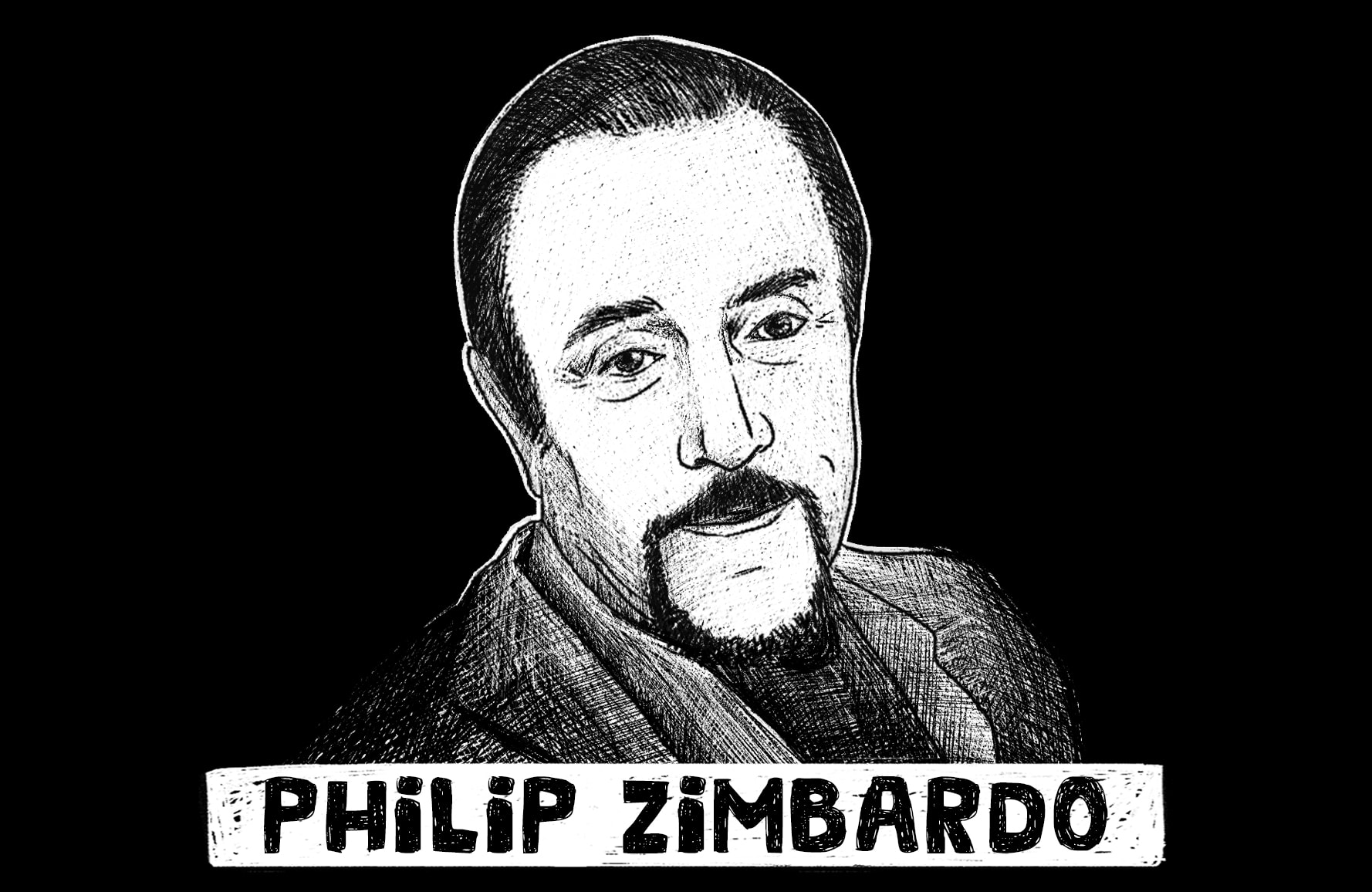
Phillip Zimbardois an Italian-American psychologist who is best known for conducting the Stanford prison experiment in 1971. He designed the experiment to investigate how factors such as anonymity, rules, authority, context, and group identity may influence people who spend time in prison-like environments. Zimbardo recruited male college students for the study and randomly assigned them roles as guards or prisoners. Although Zimbardo intended to conduct the experiment for two weeks, it was terminated after just six days due to the declining living conditions in the mock prison and the toxic relationship that developed between the “guards” and the “prisoners.”
Zimbardo received much criticism for the unethical nature of his experiment, especially after some students claimed they were subjected to psychological torture. Other critics claimed Zimbardo’s methods lacked scientific rigor. Nevertheless, the Stanford prison experiment remains one of the most impactful studies in the history of social psychology. Zimbardo’s research has also influenced government policy in the United States regarding the management of prisons and other correctional facilities.
Zimbardo is currently professor emeritus at Stanford University. He has authored a number of books and is the founder and president of the Heroic Imagination Project.

Amy Cuddyis an American social psychologist who is best known for developing the concept of “power posing.” A power pose is a particular posture or stance that a person mentally associates with resilience, strength, or success. Cuddy believes people can adopt power poses to help themselves feel more confident and powerful in a particular situation. The original research paper has been cited numerous times and has led to Cuddy receiving much media attention.
Cuddy is also a bestselling author. Her self-help bookPresence: Bringing Your Boldest Self to Your Biggest Challenges(2015) has been translated into 32 languages. Today she works with the World Economic Forum and teaches at the Harvard Business School.
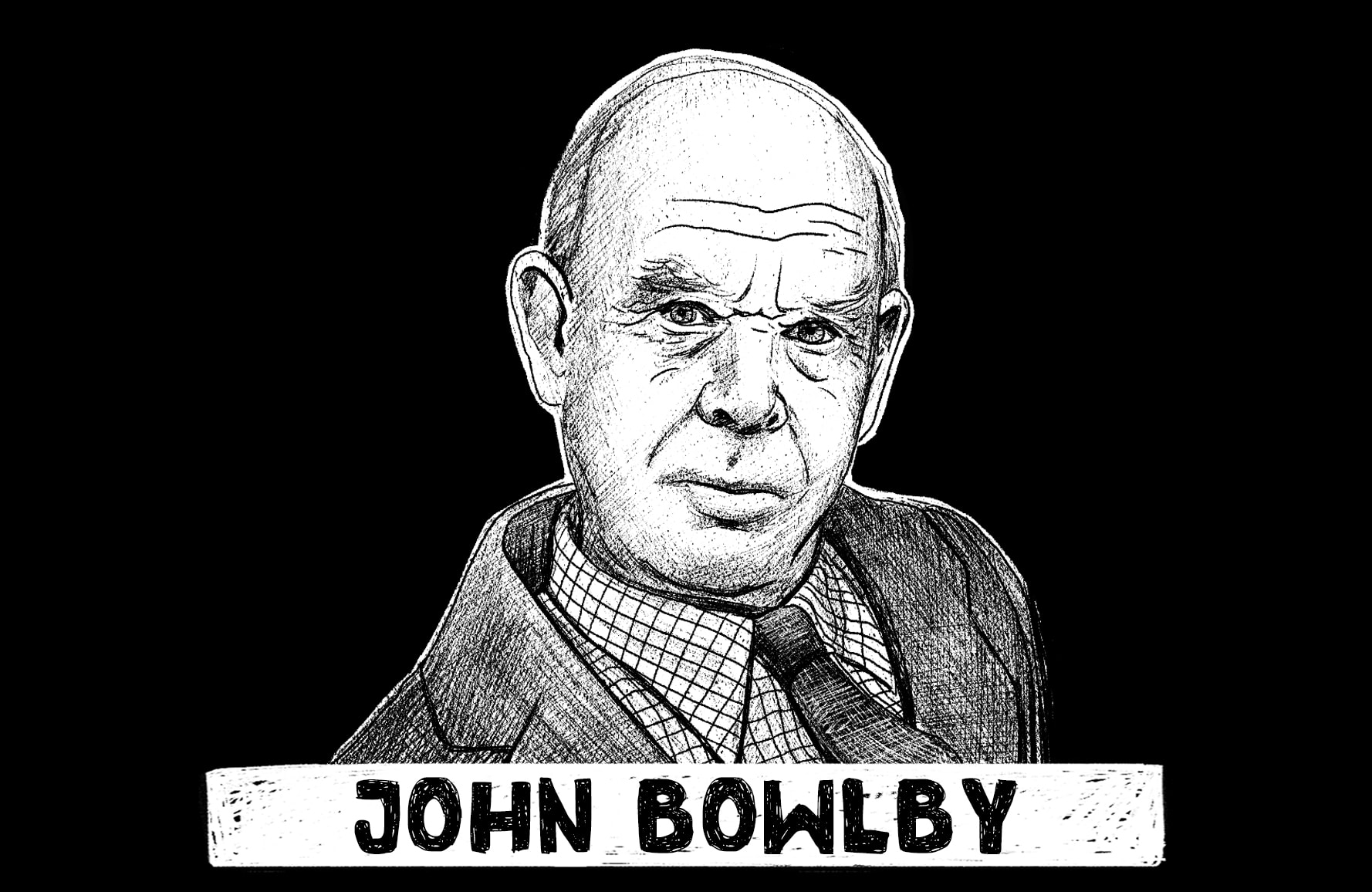

David Dunningis an American social psychologist. He has conducted extensive research on topics such as social judgment, behavioral economics, eyewitness testimony, and decision-making. Dunning is best known for his work with psychologist Justin Krueger on a cognitive bias known as the Dunning-Krueger effect. The Dunning-Krueger effect refers to the phenomenon where people who are less capable at a task consider themselves to be significantly more capable than they are.
Dunning claimed that the Dunning-Krueger effect occurs because the skills needed to do a particular job well are the same skills needed to assess whether the job was completed properly. In other words, individuals who perform a task poorly also lack the skills needed to judge how poorly they performed. The Dunning-Krueger effect has been used to explain how people may behave in school, business, and politics. For example, a CEO who lacks the skills needed to manage a company well may be completely unaware of how incompetent he actually is.
Dunning currently serves as a professor of psychology at the University of Michigan and professor emeritus of psychology at Cornell University. In 2005, he published his first book titledSelf-Insight: Roadblocks and Detours on the Path to Knowing Thyself.
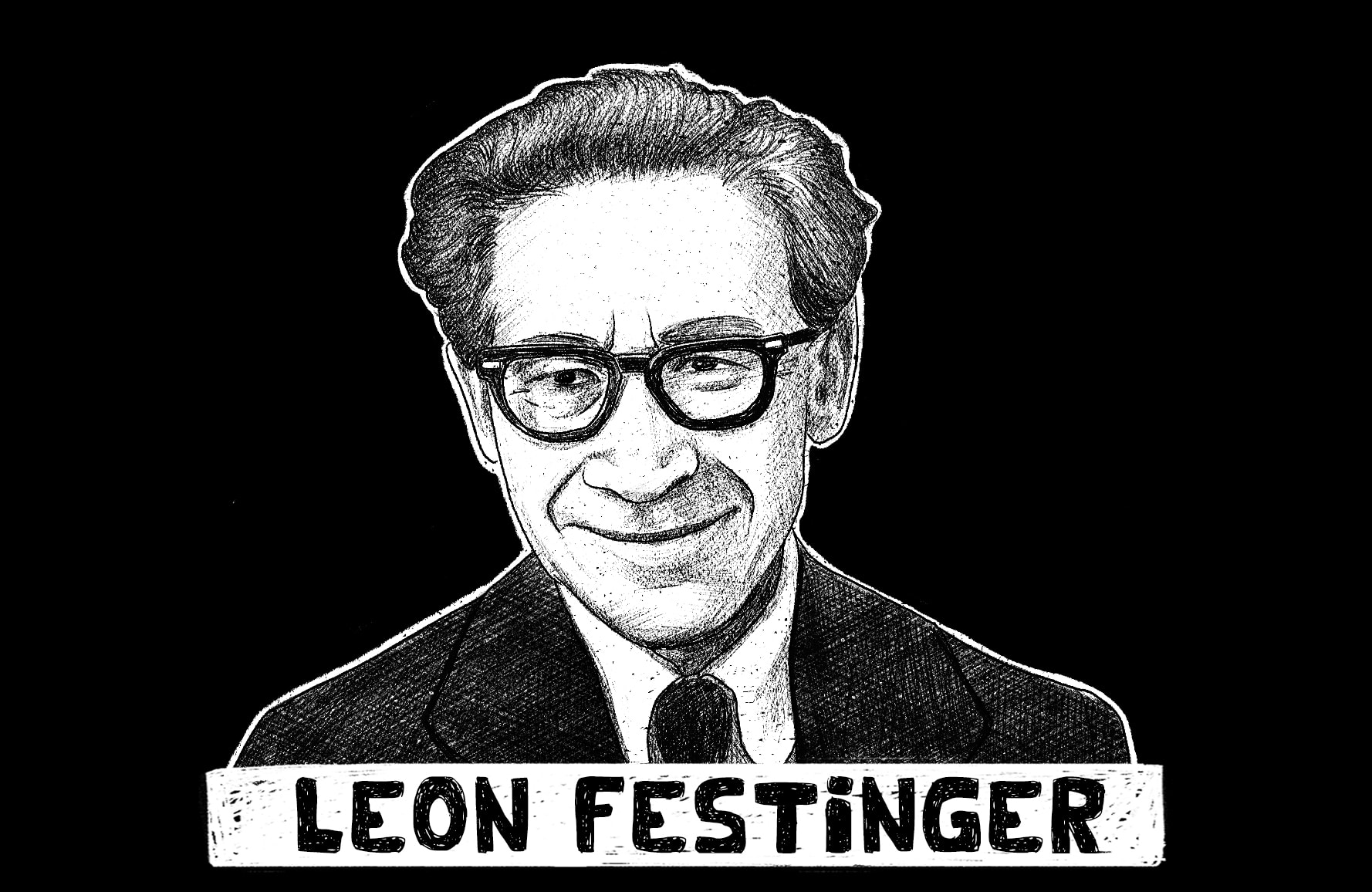
Leon Festingerwas an American psychologist who made significant contributions to the fields of cognitive psychology and social psychology. He is known primarily for developing his social comparison theory in 1954 and cognitive dissonance theory in 1957. Festinger’s social comparison theory suggests people are motivated to assess their own abilities and opinions, and may compare themselves to similar individuals if no other evaluation tool is available. He claimed this type of social comparison may influence individuals to change their opinions to fit in with the crowd or improve their abilities if someone else seems more capable.
Festinger’s cognitive dissonance theory explains the discomfort people feel when there is conflict between two or more of their cognitions. For example, a man who thinks he is a good father may feel mental distress if he knows his work restricts him from spending quality time with his children. Festinger’s social comparison theory has been applied to fields such as marketing and healthcare. His cognitive dissonance theory has been implemented in a variety of industries that encourage positive behavior change.
Leon Festinger died from cancer on February 11, 1989. In 2002, he was ranked as the 5th most eminent psychologist of the 20th century.
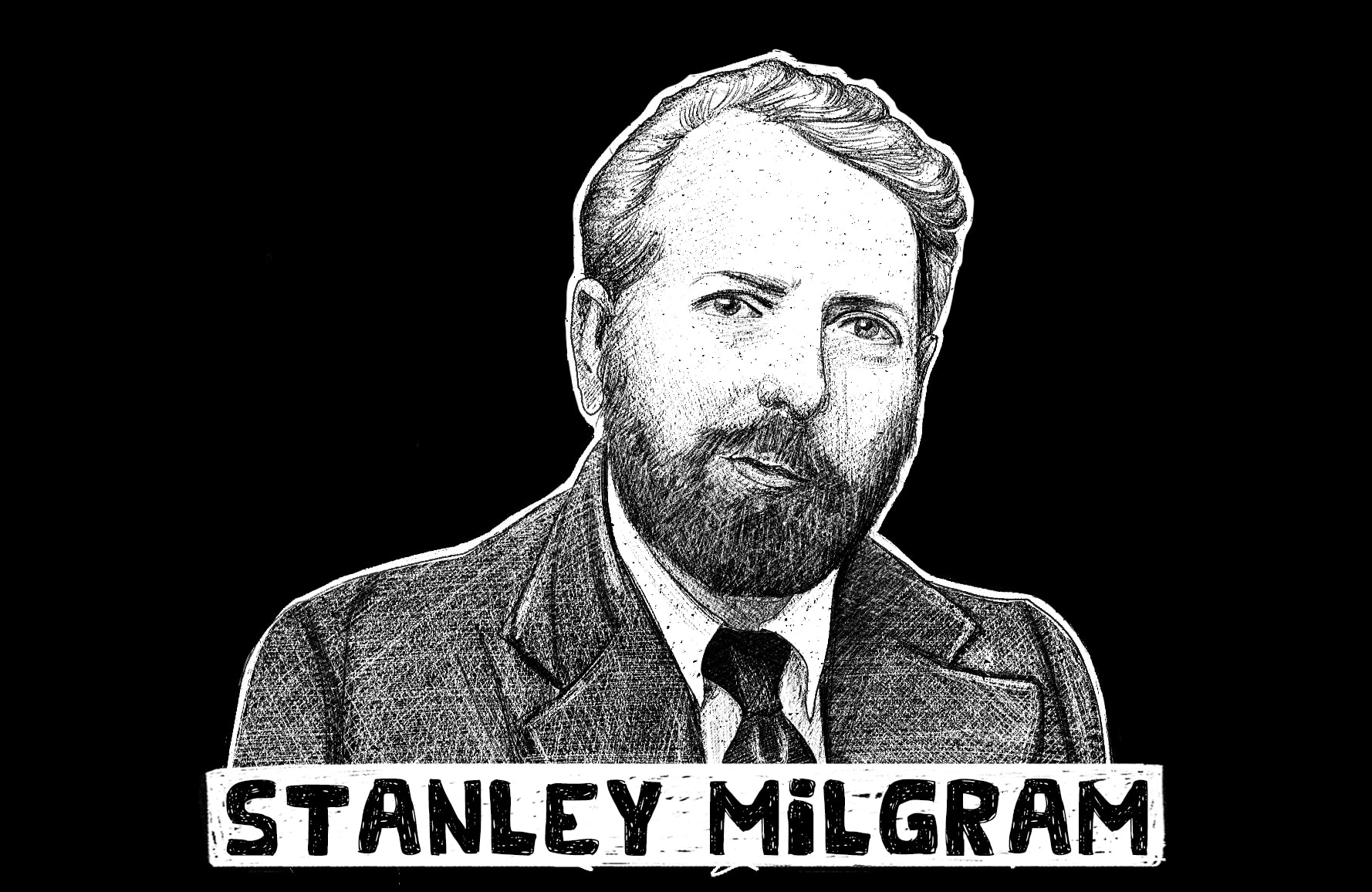
Subjects in Milgram’s obedience experiments were told to administer an electric shock of increasing voltage each time an individual in an adjoining room made an error on a word test. Although the subjects were able to hear screams from the adjoining room, they obeyed the orders they received to continue the experiment. Milgram proposed two theories to account for this behavior: (1) the theory of conformism, and (2) the agentic state theory. His obedience experiments provided deep insight into human social behavior and highlighted the power of social pressure and conformity.
Milgram’s work has impacted the criminal justice, counseling, and business sectors. He died on December 20, 1984.
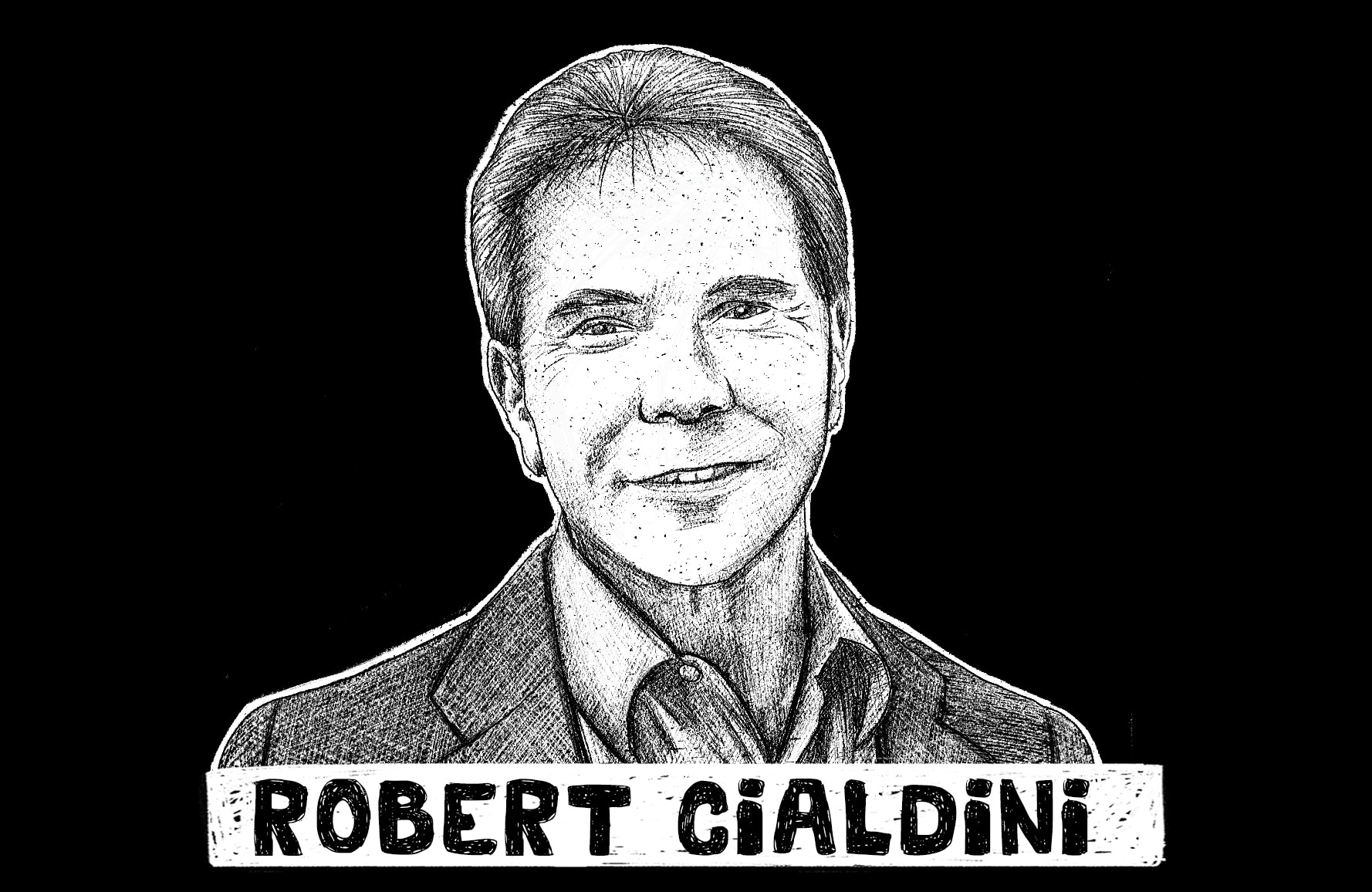
Robert Cialdiniis an American social psychologist who has received widespread praise for his research on persuasion and influence. He is interested in finding out what makes people say “yes.” While most people may think that they make the majority of their decisions based on facts and logic, Cialdini believes many people use shortcuts to guide the choices they make. He identified six distinct shortcuts or principles of persuasion—reciprocity, scarcity, authority, consistency, liking, and consensus.
Robert Cialdini has published five books, including the classicInfluence: The Psychology of Persuasion,(1984). He is a New York Times, USA Today, and Wall Street Journal best-selling author who has sold more than five million copies worldwide.
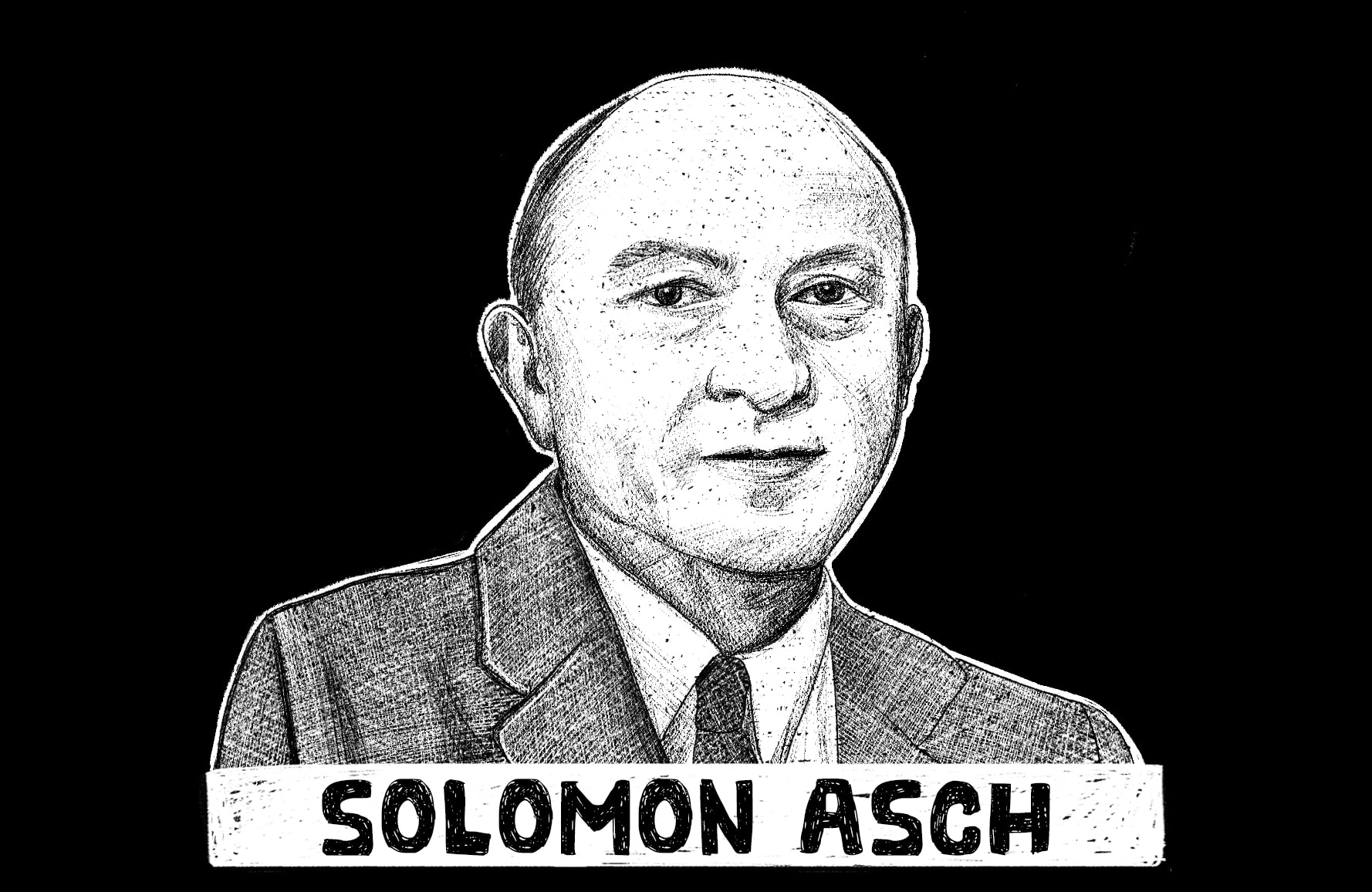
Asch received much acclaim for his research on social conformity. In those experiments, he showed that it is possible for group pressure to cause people to disbelieve facts that they are able to see with their own eyes. Asch’s theories have been applied to fields such as politics, marketing, healthcare, and education. He published just one book,Social Psychology, in 1952.
Solomon Asch received the Distinguished Scientific Contribution Award from the American Psychological Association in 1967. He passed away on February 20, 1996 at the age of 88. In an empirical survey conducted in 2002, Asch was ranked as the 41st most eminent psychologist of the 20th century.
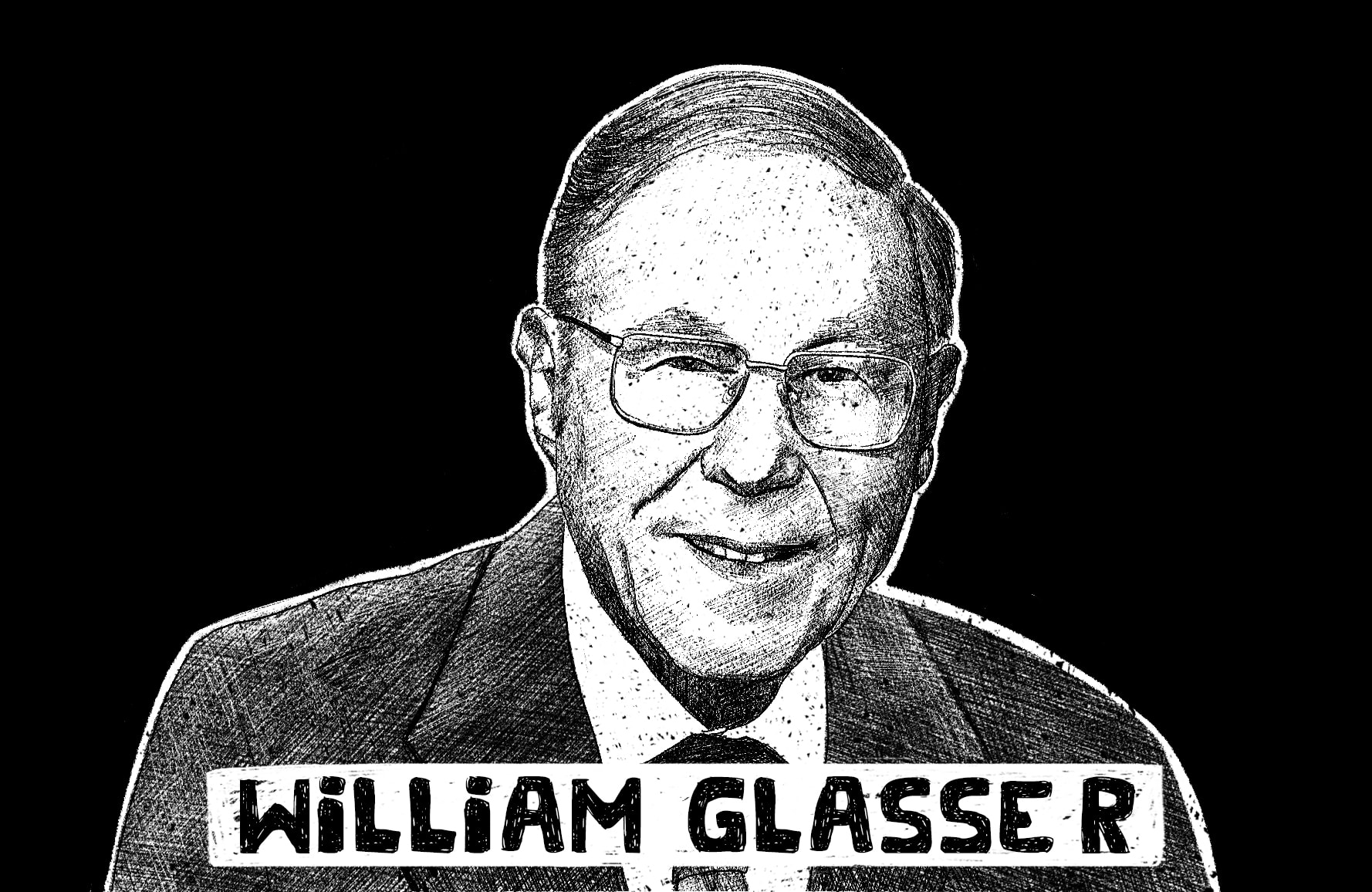
William Glasserwas an American psychiatrist who founded choice theory and reality therapy. Choice theory is an approach to psychology that assumes that each person has the ability to control his own behavior but is unable to control the behavior of other individuals. According to choice theory, all psychological issues are due to problems people have in their relationships. Reality therapy is a form of counseling that is based on the principles of choice theory.
Glasser’s theories have made a positive impact on a number of fields. In addition to helping people with mental health concerns, his concepts have been applied to areas such as parenting, marriage counseling, management, and education. Glasser believed that people had the power to make significant positive changes in their lives. He was also a major critic of using powerful, mind-altering medications to treat people with psychological problems.
Over the course of his career, Glasser wrote several groundbreaking books. Some of his most influential literary works areReality Therapy(1965),Control Theory(1985),The Quality School(1990), andChoice Theory(1998). Glasser died on August 23, 2013 after experiencing respiratory failure. He was 88 years old at the time of his death.
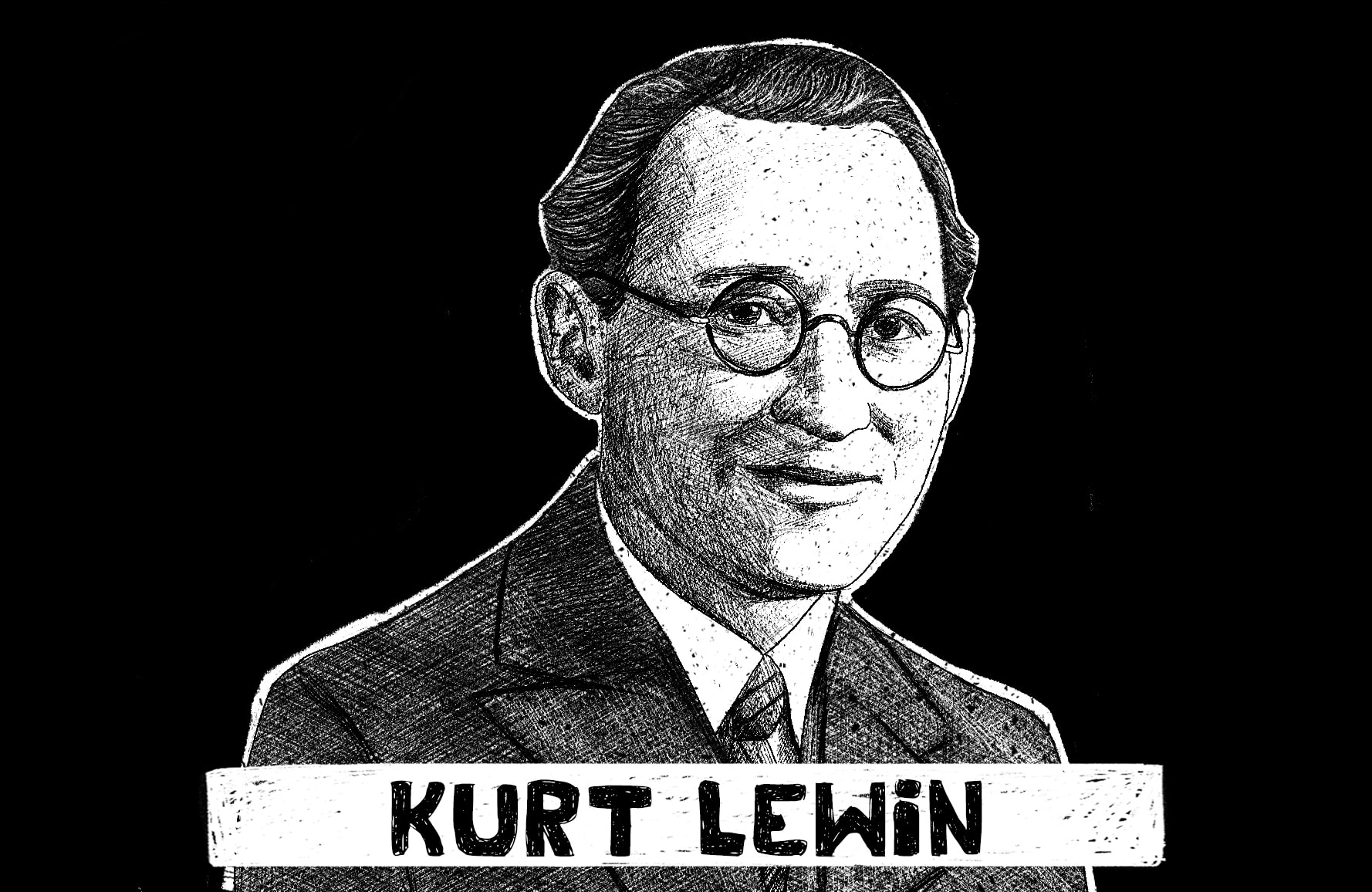
Kurt Lewinwas a German American psychologist who believed that human social behavior should be studied scientifically. His work contributed to the development of social psychology, organizational psychology, and applied psychology in the United States. Lewin is known for developing several theories and concepts, such as field theory, force field analysis, group dynamics, and action research. He is currently ranked as the 18th most influential psychologist of the 20th century.
One aspect of human behavior that Lewin was particularly interested in is leadership. He frequently discussed different leadership styles and the pros and cons of each. Lewin also demonstrated how organizations can improve the quality of their work or service through action research. He passed away on February 11, 1947 at the age of 56.
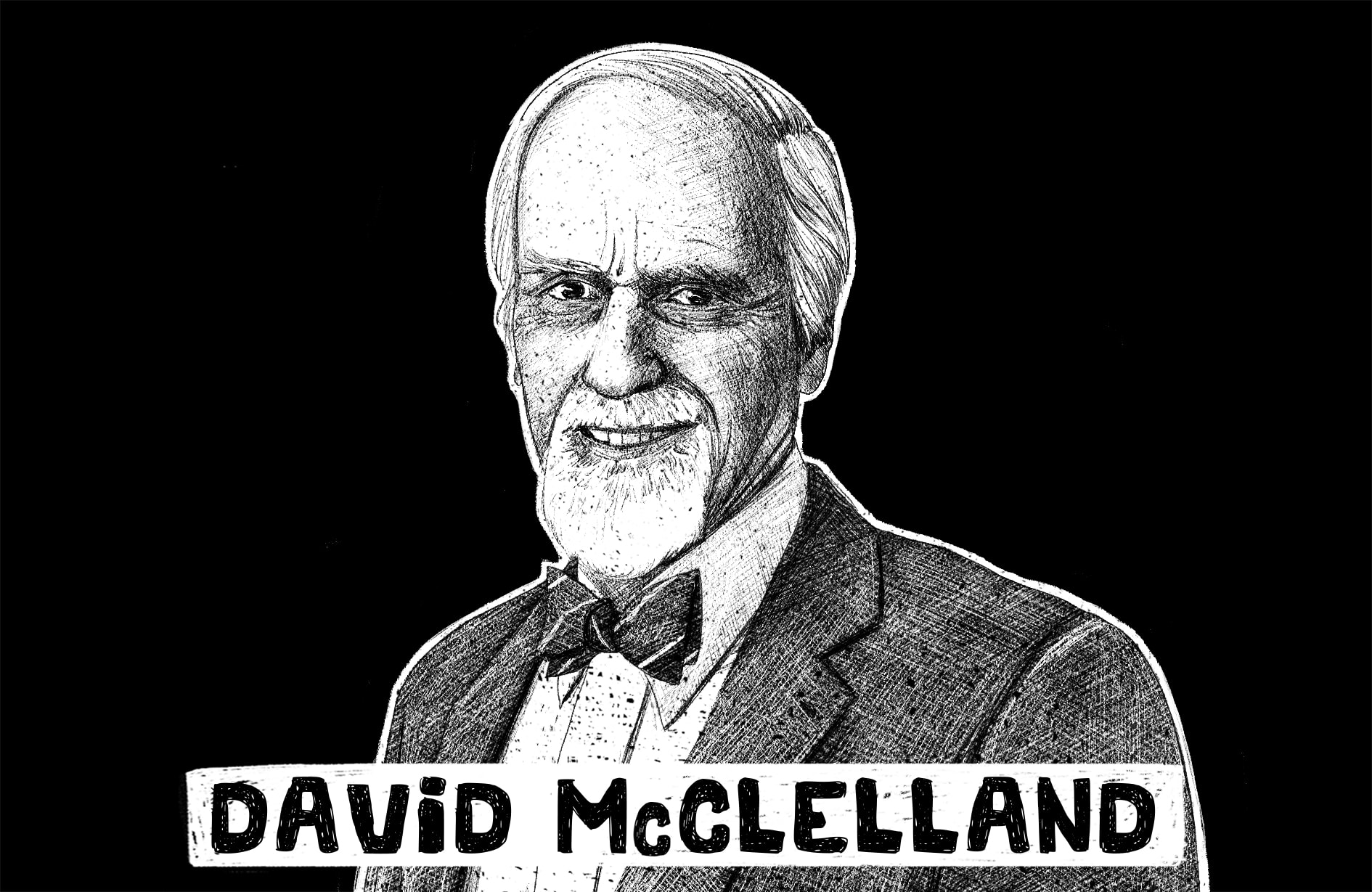
David McClellandwas an American psychologist and expert on human motivation. He theorized that humans have three basic motives that direct their behavior: the Need for Achievement, the Need for Affiliation, and the Need for Power. Each individual is said to have a unique profile of needs and McClelland conducted several studies to show how certain profiles are associated with success in different roles. His work is of particular relevance to organizational and economic development, as well as the practice of leadership.
McClelland was an advocate of competency-based assessment as a means of predicting job performance. He argued that decisions regarding hiring and job placement should not be made on the basis of standardized test scores, but should be based on individuals' competency in the relevant field. He and his colleagues spent many years researching the specific competencies required for success in different job categories. The results they obtained have been used as the basis for evaluating current and prospective employees in numerous organizations.
McClelland was instrumental in founding several consulting companies and taught for three decades at Harvard University. He was an Emeritus Professor at the time of his death on March 27, 1998.
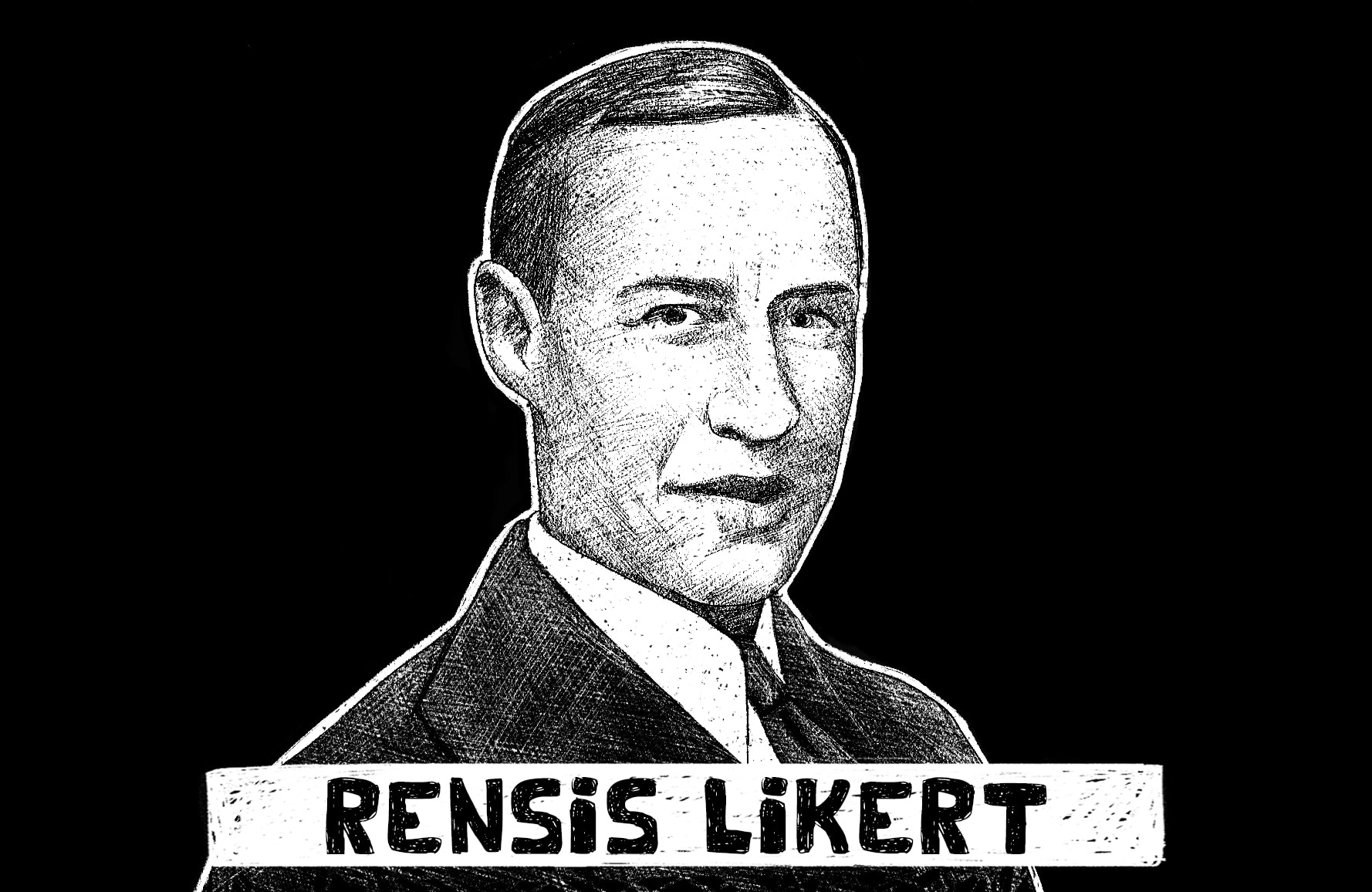
Rensis Likertwas an American social psychologist and researcher. He made significant contributions that influenced how modern day social research is conducted. Likert is best known for creating theLikert scale. This versatile, easy-to-use tool measures people’s attitudes about a particular topic and is used in a variety of fields such as education, healthcare, the social sciences, and business.
Likert is also well-known for his theories on management style and organizational behavior. In his management system model he identified four distinct leadership styles:exploitive-authoritative,benevolent-authoritative,consultative, andparticipative. Likert endorsed theparticipativestyle as the ideal approach to management. He passed away on September 3, 1981.
If I’ve missed any of your favorite famous psychologists, feel free to leave a comment below and I’ll perform some research and add them to the list!
Related posts:41+ White Collar Job Examples (Salary + Path)Lewin’s Field Theory (Social Development)Urie Bronfenbrenner Biography - Contributions To PsychologyKurt Lewin Biography - Contributions To PsychologyCareers in Psychology
Related posts:
Reference this article:Practical Psychology. (2020, September).40+ Famous Psychologists (Images + Biographies).Retrieved from https://practicalpie.com/famous-psychologists/.Practical Psychology. (2020, September). 40+ Famous Psychologists (Images + Biographies). Retrieved from https://practicalpie.com/famous-psychologists/.Copy
Reference this article:
Practical Psychology. (2020, September).40+ Famous Psychologists (Images + Biographies).Retrieved from https://practicalpie.com/famous-psychologists/.Practical Psychology. (2020, September). 40+ Famous Psychologists (Images + Biographies). Retrieved from https://practicalpie.com/famous-psychologists/.Copy
Copy
