Think about a time when you got angry. I don’t mean a time when you just were ticked off at a coworker or annoyed with someone in traffic. Think about a time when you werereallyangry. If you can’t think of one, think of someone who gotreallyangry at you.
Anger is a common human emotion, but it can spiral out of control very quickly. Anger over a parking ticket could turn into a broken mirror. A simple dispute at the bar could turn into a brawl. Wearing the wrong jersey in the wrong place could actually become dangerous.
Why does this happen? Why do we let ourselves get so aggressive? These moments of extreme anger may feel uncontrollable. People often “black out” due to anger and commit acts that they would have otherwise not committed in a calm state. There are certain states that allow “passion” to be a defense strategy in court. Is this just human nature, or something that can be controlled and done away with?
There isn’t one answer.
What Are Theories of Aggression?Instinct Theory of Aggression (Thanatos Theory)Frustration-Aggression TheorySocial Learning TheoryOther Ways to Look at AggressionWhich Theory of Aggression Is “Right?”
What Are Theories of Aggression?
Instinct Theory of Aggression (Thanatos Theory)
Frustration-Aggression Theory
Social Learning Theory
Other Ways to Look at Aggression
Which Theory of Aggression Is “Right?”
Psychologists have three main theories of aggression that attempt to explain why we become aggressive and whether that behavior can be changed. More theories have been proposed, but these three have stood the test of time so far and are key to understanding where aggression originates.
These theories include:
This video will briefly touch on all three of these Theories of Aggression, where they come from, and how they fit into our everyday behaviors and attitudes.
The first theory of aggression goes back to the days ofSigmund Freud. Freud’s theories on behavior changed over time. At first, he believed that all behaviors stemmed from Eros, thelife instinct.These were the instincts that kept us alive and wanting to reproduce.

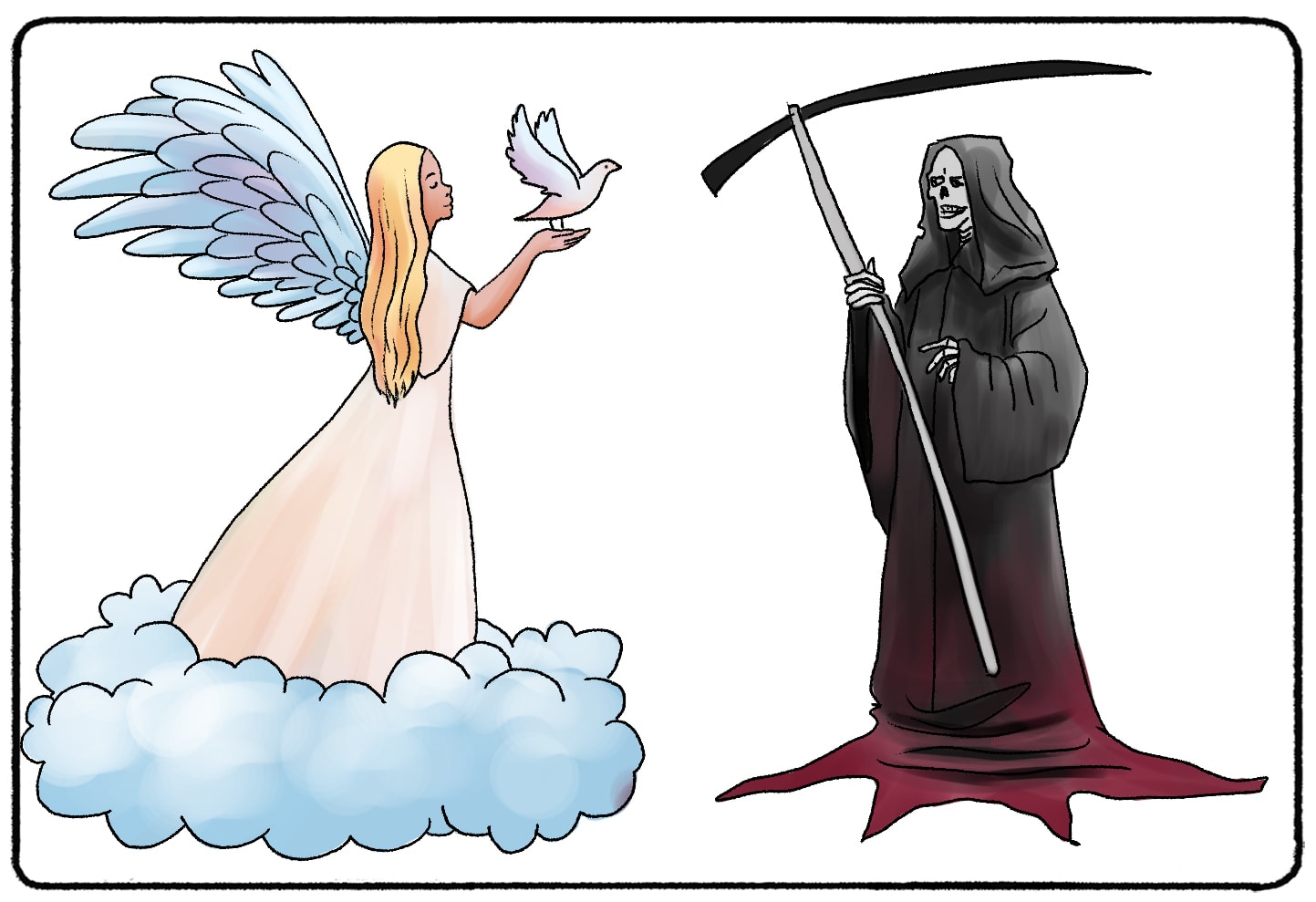
But in 1920, he wrote that the life instinct just couldn’t explain all of the urges or behaviors that humans display. Aggression doesn’t always fit into our desire to stay alive and keep others alive. So inBeyond the Pleasure Principle,Freud wrote about Thanatos. This was the name he gave to the “death instinct.” The death instinct helped to explain why humans become aggressive, why they engage in harmful behaviors, or why they seek to recreate past traumas.
Freud believed that these two instincts exist together in every human mind, and that all behaviors stem from the balance of these two instincts. This may explain why we take anger out on others. Even if this anger or aggression is initially directed inward, Eros overpowers Thanatos. In an effort to keepourselvesalive, the aggression is directed outward.
What did Freud propose that we do about these instincts? Not too much. He believed that there wasn’t much use in trying to quell aggression when it comes from an innate instinct that is deeply embedded in the human mind. His proposal focused more on structuring society in a way that kept communities small. In order to protect the community, strategies would be devised so aggressive behaviors could be focused outside of the community, protecting all members.
Konrad Lorenz on Freud’s Theories of Aggression
Theories on the source of human aggression can be helpful. But in the case of theories like Freud’s, aggression seems inevitable. Is it? Can it be avoided? Those are the questions that psychologists likeKonrad Lorenzasked. Lorenz is best known for his work in animal psychology, but he also studied humans. He wroteOn Aggression.The book touches on Freud’s theory of aggression, linking aggression to the preservation of the species. Lorenz also explores ways that we canredirect or inhibit aggression, which includes some of Freud’s methods as well.
First, Lorenz believed that self-knowledge could help reduce aggression. Psychoanalysis (Freud’s specialty) could assist humans in this process. Second, Lorenz believed that social connections, especially across multiple groups, could reduce aggression. Think of how much calmer the world would be if all people were open to making friendships with people across political party lines, races, ages, and cultures. We would have a lot fewer people screaming at each other! Third, Lorenz believed our aggression could be channeled into less violent activities. Instead of yelling at the guy who cut you off in traffic, you could drive over to the gym and lift some weights.
Even if you can’t remember the last time you wereaggressivewith someone, I can guarantee that you can remember a time in which you werefrustratedwith someone. Frustration is a common human emotion that comes up when someone or something is holding us back from reaching a goal. That goal could be as simple as finishing an essay or as complicated as answering life’s most profound questions.

The frustration-aggression theory simply states that aggression stems from frustration. Frustration is likely to turn into aggression, but it doesn’t have to if a person has higher levels of self-awareness or self-control.
Aggression doesn’t have to be directly used against the thing that a person is frustrated about. Once the goal is achieved and the frustration subsides, the aggression may still be present. In one of the earliest studies on frustration-aggression theory, children were placed in front of a wire screen. Toys were on the other side. While the children could see the toys, the toys were just out of reach. This was likely frustrating for the children who wanted to play with the toys.
Once the wire barrier was removed and the children were able to play with the toys, researchers noted that their play was much more aggressive than when the barrier had not been in place initially.
It’s not hard to link moments of aggression to moments of frustration. Think of all those viral videos of people yelling at retail workers about mask mandates or other rules. All of that aggression comes from frustration.
Not all aggression has to be violence, though. Have you ever seenFootloose?The movie features aniconic scenein which Kevin Bacon’s character dances quite aggressively throughout a warehouse. He does this because he’s so frustrated! Before he begins the dancing scene, the movie shows scenes from the movie of moments that frustrated him. If you’re frustrated, maybe you should try dancing instead of yelling!
Think about this in your own life. Have you ever kicked something or slammed a door “out of frustration?” Maybe you’ve danced wildly through a warehouse to the song “Never,” just like inFootloose.These are all aggressive behaviors. Linking frustration to aggression almost seems like a no-brainer, huh?
Here’s how the experiment went down. Children were put in a room with an adult, some toys, and a largeBobo Doll. (A Bobo Doll is one of those inflatable clowns that bounces back up when you hit it.) Half of the children sat in the room with the adult as they gently played with the toys, displaying little aggression. The other half sat in the room with the adult as the adult aggressively hit or kicked the Bobo Doll. Some of these adults used explicit language or even hit the Bobo Doll over the head with a mallet.
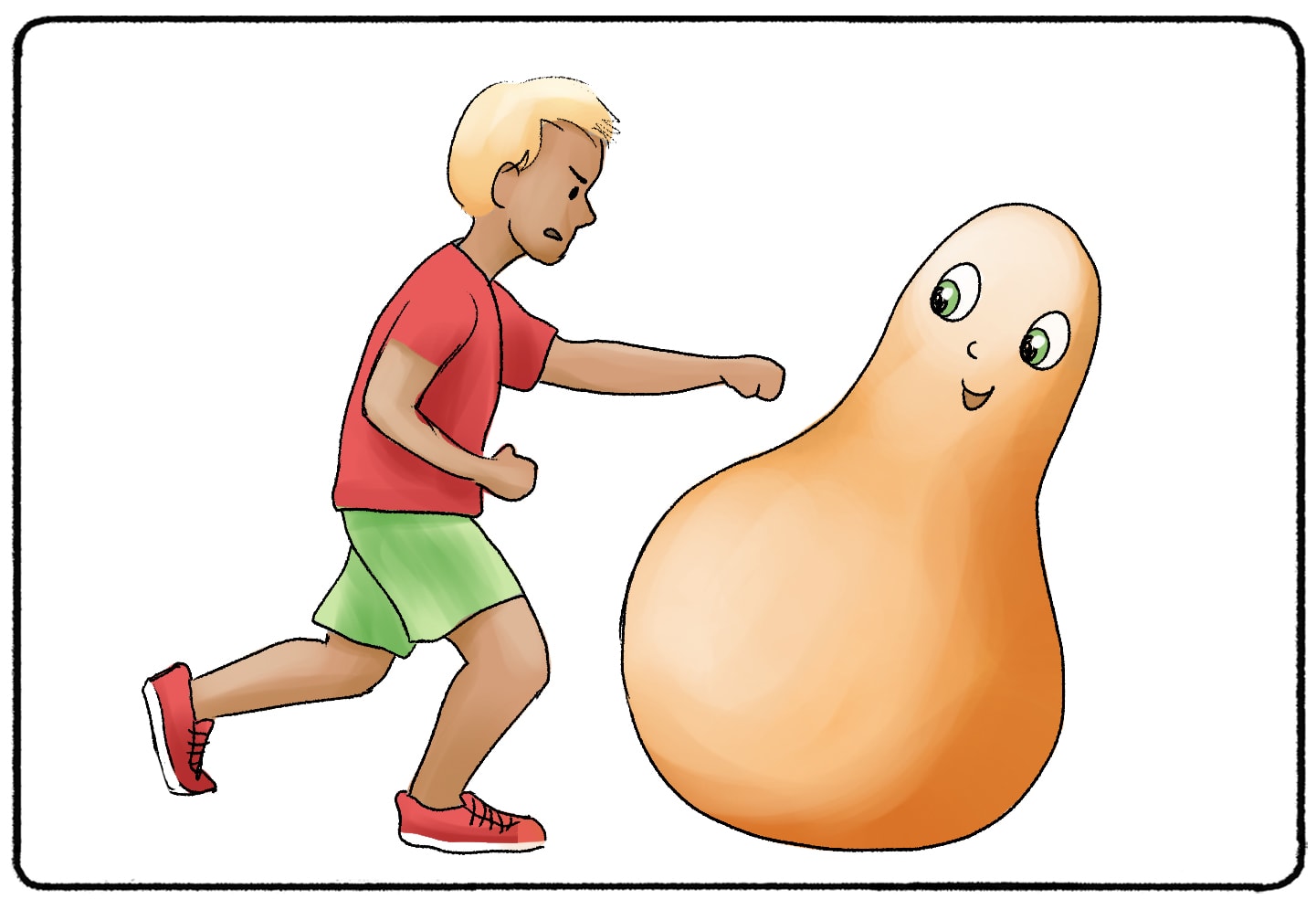
The children were then separated from the adult and placed in a room alone with more exciting toys. After a few minutes, the toys were taken away in order to upset the children. All of the children were then taken into a third room, where another Bobo Doll stood.
The children who had observed the aggressive adults were more likely to exhibit aggressive behavior themselves. Children were simply imitating and modeling when they also kicked, hit, or were otherwise aggressive toward the Bobo doll. It’s from this experiment that Bandura proposed that aggression is learned not only through positive or negative reinforcement but also through indirect observational learning.
These are the three main theories of aggression, but other theories within psychology touch on aggression, too. Take theBig Five. Psychologists took a look at theBig Five traitsand how they related to aggression. Here is what they found:
There are still more filters through which you can look at aggression. How might aggression relate to ideas like operant conditioning? Cognitive behavioral therapy? Gestalt theory? If these connections haven’t been made, get in the lab and make them!
One of these theories of aggression may make more sense than the others. Or you may think that all of them make sense together. There is no right or wrong answer to the question of why we get aggressive. Frustration could have easily played a part in the Bobo Doll experiment, along with a child’s “death instincts.” But that is the fun of studying psychology - there is always more to learn and more questions to answer!
Related posts:Konrad Lorenz (Biography)Albert Bandura’s Bobo Doll Experiment (Explained)Instrumental AggressionAlbert Bandura (Biography + Experiments)40+ Famous Psychologists (Images + Biographies)
Related posts:
Reference this article:Practical Psychology. (2020, January).3 Theories of Aggression (Psychology Explained).Retrieved from https://practicalpie.com/theories-of-aggression/.Practical Psychology. (2020, January). 3 Theories of Aggression (Psychology Explained). Retrieved from https://practicalpie.com/theories-of-aggression/.Copy
Reference this article:
Practical Psychology. (2020, January).3 Theories of Aggression (Psychology Explained).Retrieved from https://practicalpie.com/theories-of-aggression/.Practical Psychology. (2020, January). 3 Theories of Aggression (Psychology Explained). Retrieved from https://practicalpie.com/theories-of-aggression/.Copy
Copy
