Have you ever wondered why a red light makes you stop your car, or how a simple handshake can make you feel welcome?
Symbolic interactionism is all about the ways we use symbols, like words, gestures, or even emojis, to get our ideas across and understand what other people mean.
For example, if someone gives you a thumbs-up after you score a goal, you don’t just see a thumb… you see approval and encouragement. These symbols help us figure out what’s going on around us and how we should act or feel. We use them every day, often without even realizing it!
By the end of this article, you’ll have a clear idea of what symbolic interactionism is and why it’s such an essential part of our lives.
If you’re interested in dream symbolism, you might find this article interesting too since a lot of these symbols come up in our dreams! But if you aren’t finding a symbol you’re curious about, you canuse our dream interpreterto find out.
What is Symbolic Interaction?
Why Should We Care About Symbolic Interactions?
Symbolic Interaction Examples
Facial Expressions
Hand Gestures
Physical Contact
Cultural Gestures
Everyday Items and Symbols
Dress and Appearance
Nature and Animal Symbols
Sound and Silence
Spatial Symbols
Sports and Game
Media and Technology
Holidays and Celebrations
Religious Symbols
Music and Art
Social and Political Symbols
Food and Dining
Educational Settings
Personal Items
Office and Professional Symbols
Language and Conversation
Group Dynamics
Rituals and Traditions
Media Interactions
Shopping and Consumer Habits
Social Issues and Activism
Education and Learning
Relationships and Family
Religion and Spirituality
Health and Fitness
Travel and Leisure
Politics and Governance
Nature and Environment
Arts and Entertainment
Technology and Social Media
Personal Relationships
Emotional Expressions
Personal Symbols
Symbolic Interactions Trivia
Conclusion
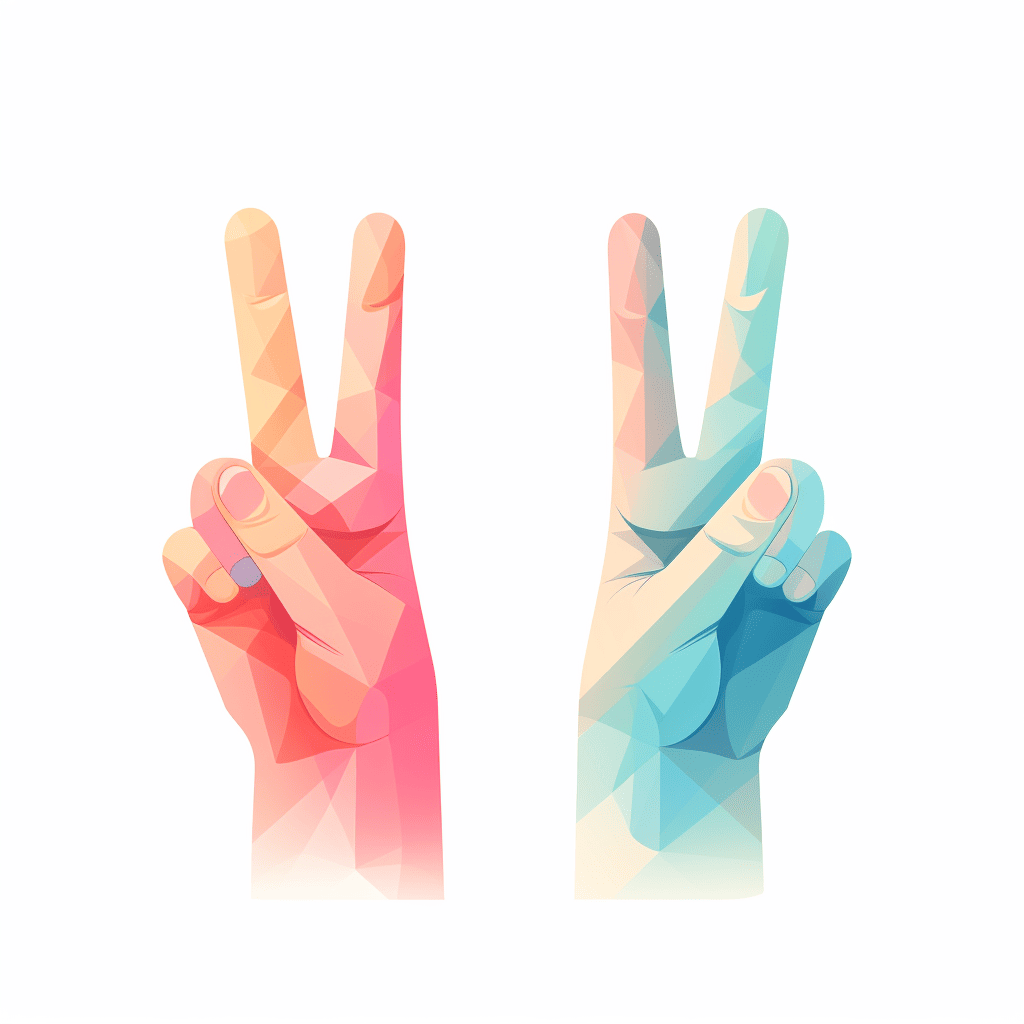
 peace fingers
Symbolic interactionism may seem like a fancy term, but its roots go back to the early 20th century, thanks to the intellectual legwork of two main thinkers:George Herbert MeadandHerbert Blumer.
George Herbert Mead
Born in 1863 and passing away in 1931, George Herbert Mead was an American philosopher, sociologist, and psychologist who laid the foundation for what would later become known assymbolic interactionism.
Mead was a curious mind who wanted to explore how our inner world (like thoughts and emotions) and our outer world (like social situations) are linked. He came up with some pretty smart ideas!
One of Mead’s famous theories is about the “self.” He said that people develop a sense of self through interactions with others, and this is where symbols like words and gestures come into play.
Imagine being a toddler: you learn that a smile from your parents means you did something good and that a frown might mean you’re in trouble. In other words, we learn to read the symbols in theirbody language. As you grow up, these symbols guide you in understanding the world around you and shaping your own identity.
In simple words, Mead told us that our interactions with people and symbols help us figure out who we are. It’s like each of us is a puzzle, and every interaction puts another piece in its place.
Herbert Blumer
Blumer gave us three core principles for symbolic interactionism. First, he said that people act based on the meaning that things have for them. For example, if you see a snake, you might feel scared because you’ve learned that snakes can be dangerous.
And third, these meanings can change. Maybe you become a snake expert and learn that not all snakes are dangerous, so your feelings change. This shows how flexible and ever-changing our understanding of symbols can be.
In simpler terms, Blumer told us that symbols are like a shared language that we all learn from each other, and this language can change over time. Imagine learning that a “thumbs-up” used to mean something entirely different a hundred years ago! That’s the power of symbolic interactionism: it’s alive and always changing.
Builds Bridges of Understanding
Understanding the symbols that are meaningful to someone else can significantly enhance interpersonal relationships. For instance, knowing that a friend treasures a particular family heirloom can deepen your understanding of their values or family dynamics. This forms a bridge of empathy and understanding that mere words often can’t convey.
Unlocks Cultural Insights
Symbols often serve as keys to understanding thecore beliefs, traditions, and collective experiences of a culture. For example, the Yin-Yang symbol in Chinese philosophy represents the interdependent relationship of opposites, providing profound insights into a worldview that values balance and harmony. Recognizing the meaning behind symbols like these can offer a more nuanced understanding of other cultures.
Evolves Over Time
Reflects Individual Growth
On a personal level, the symbols that resonate with us atdifferent stages of lifecan reflect our own growth and changing perspectives. A favorite childhood toy, for example, might symbolize comfort and security, while a first paycheck may later symbolize independence and adulthood. These personal symbols serve as milestones that mark our individual life journeys.
Encourages Respect for Diversity
Understanding the spectrum of symbols that people hold dear can also foster a culture of respect and inclusivity. It can also shed light ondiffering morals. For example, recognizing that a hijab is a symbol of faith and modesty for some Muslim women can help non-Muslims approach interactions with respect and understanding, rather than preconceived notions or biases.
Serves as Tools of Communication
Symbols are a universal form of communication that can transcend language barriers. Emoticons and emojis, for instance, have become a global shorthand for expressing emotions, functioning as modern-day hieroglyphics that are understood across diverse linguistic landscapes.
Adds Richness to Life
Finally, symbols add a layer of richness and complexity to our daily lives. They serve as shortcuts to express ideas, feelings, or beliefs that might otherwise require lengthy explanations. Symbols can capture the essence of human experiences—love, grief, joy, and beyond—in a single gesture, item, or ritual, adding depth and dimension to our understanding of the world around us.
Symbols aren’t just arbitrary signs; they are layered, dynamic, and deeply rooted in human experience. They help us connect with each other, understand ourselves better, and even offer a window into different times and cultures. Whether we’re examining symbols from the lens of an anthropologist, a historian, or simply as human beings navigating complex social landscapes, understanding the role and evolution of symbols can enrich our lives in countless ways.
Smiling: Indicates happiness, approval, or warmth.
Frowning: Often symbolizes displeasure or confusion.
Raised Eyebrows: Indicates surprise, skepticism, or questioning.
Eye Roll: Symbolizes disbelief, annoyance, or impatience.
Winking: A sign of complicity, often saying, “I’m joking,” or, “We’re on the same page.”
Thumbs-Up: Signals approval or agreement.
Thumbs-Down: Expresses disapproval or disagreement.
Fist Pump: Indicates excitement, achievement, or victory.
Open Palm (Stop): Universally symbolizes ‘stop’ or ‘halt.’
Finger Pointing: Often used to indicate direction or blame.

Nodding Head: Indicates agreement or understanding.
Shaking Head: Symbolizes disagreement or disapproval.
Shrugging Shoulders: Represents uncertainty or indifference.
Crossed Arms: May symbolize defensiveness or disagreement.
Foot Tapping: Can indicate impatience or boredom.
Hugging: Signifies affection, comfort, or friendship.
High-Five: Symbolizes congratulations or team spirit.
Fist Bump: Represents friendship, agreement, or celebration.
Handshake: A traditional symbol of agreement or introduction.
Namaste Hands: A symbol of respect in Hindu cultures.
V Sign (Peace or Victory): Can mean peace or victory.
Beckoning Finger: In some cultures, it’s an invitation; in others, it’s considered rude.
Bow: A sign of respect in many Asian cultures.
Clenched Fist in the Air: A symbol of resistance or activism.
Traffic Lights: Green for go, red for stop, yellow for caution.
Clocks: Symbolize the passage of time.
Sirens: Indicate emergency or urgency.
School Bell: Signals the start or end of class periods.
Door Signs (‘Push’ or ‘Pull’): Guide physical action.
Uniforms: Indicate a role or profession.
Tattoos: Often symbolize personal meanings or affiliations.
Hairstyles: Can represent cultural identity, fashion, or personal expression.
Piercings: May symbolize rebellion, tradition, or personal taste.
Makeup: Used for beautification, but can also indicate social norms or roles.
Sunrise/Sunset: Often symbolize beginnings and endings.
Full Moon: Can symbolize mystery or change.
Rainbows: Often represent hope or divine promise.
Owls: In Western culture, they symbolize wisdom.
Snakes: Can symbolize danger, but also rebirth or transformation.
Applause: A sign of approval or appreciation.
Booing: Indicates disapproval or disappointment.
Laughter: Universal symbol of amusement or joy.
Crickets (Silence): Indicates lack of response, awkwardness.
Whistling: Can indicate approval, or be used to attract attention.
Standing Ovation: Represents extreme approval or accolades.
Seating Arrangement (at the Head of the Table): Indicates authority.
Distance Between People: Can indicate intimacy level or cultural norms.
Door Open vs. Closed: Open can mean welcoming, closed can mean privacy is needed.
Candles: Often symbolize celebration, remembrance, or romance.
Touchdown Dance: Celebrates scoring in American football.
Taking a Knee: In recent times, it symbolizesprotest against social injustices.
Chess Pieces: Each type has its own symbolic rules and roles in the game.
Waving a White Flag: Symbolizes surrender.
Olympic Torch: Represents unity and the human spirit.

‘Like’ Button: Expresses approval or agreement on social media.
‘Share’ Icon: Suggests the spreading of information or ideas.
Emojis: Symbols that stand in for emotions or ideas.
Red Dot on a Camera: Indicates that it’s recording.
Ringtone: Can signify who is calling without looking at the phone.
Birthday Cake and Candles: Represents another year passed.
Fireworks: Used to celebrate public events and holidays.
Pumpkins at Halloween: Symbolizes the festivity and sometimes spookiness.
Mistletoe: Symbolizes love and is an invitation to kiss.
Easter Eggs: Symbolizes rebirth or new beginnings.
Cross: Represents Christianity.
Star of David: Represents Judaism.
Crescent Moon and Star: Represents Islam.
Om: A spiritual icon in Hinduism, Buddhism, and Jainism.
Lotus Flower: Symbolizes purity and enlightenment in various spiritual traditions.
Clapping to the Beat: Represents engagement and appreciation.
Standing at a Concert: Can signify excitement or respect for the artist.
Graffiti: Can represent resistance, freedom of expression, or territorial claim.
Silent Films: Used exaggerated actions to overcome the lack of sound.
Murals: Public art that can symbolize community values or history.
Pink Triangle: Originally used to denote homosexual prisoners in Nazi camps, now reclaimed as a symbol of LGBTQ+ pride.
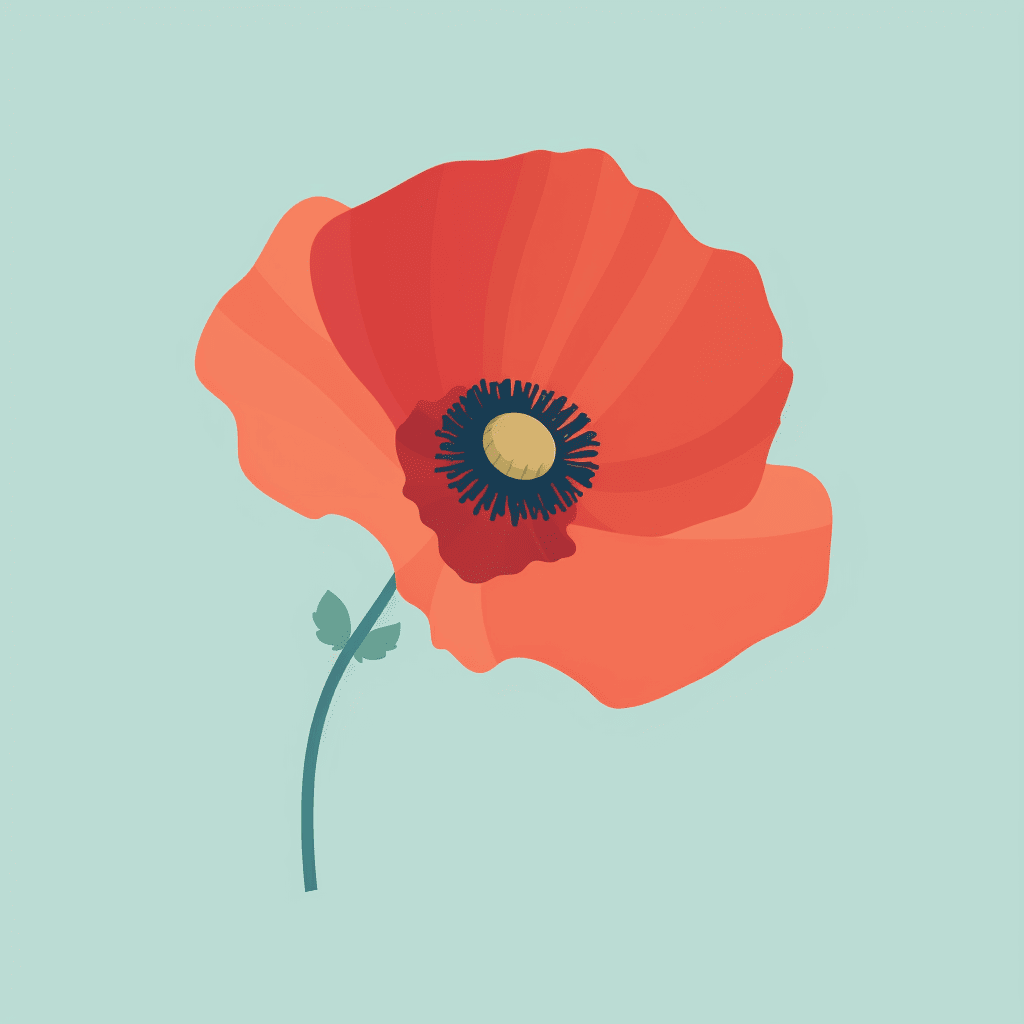
Red Poppy: Represents remembrance for soldiers who died in war.
Anarchy Symbol: Represents anti-authoritarianism.
Peace Sign: Anti-war and pro-peace symbol.
Raised Fist: Often used to represent unity or solidarity.
Toast: Raising a glass symbolizes celebration or agreement.
Cutting the First Slice of Cake: Often symbolizes the start of a celebration.
Serving Food: In some cultures, offering the first bite to an elder symbolizes respect.
Champagne: Often associated with celebrations or victories.
Tea Ceremony: In some Asian cultures, it’s a spiritual and social ritual.
Gold Star: Symbolizes excellent work or behavior.
Detention: A punitive measure that signifies rule-breaking.
Cap and Gown: Symbolizes graduation and academic achievement.
School Mascot: Represents the school’s spirit and identity.
Red Pen Marks: Usually indicate errors or areas for improvement.
Wedding Ring: Symbolizes commitment in a marital relationship.
Heirlooms: Often symbolize family history or tradition.
Medals and Trophies: Represent achievements or victories.
Diaries: Personal and often symbolize inner thoughts and secrets.
Perfume/Cologne: Can be used to symbolize attraction or personal style.
Corner Office: Often symbolizes high status within the company.
Business Cards: Symbolize professionalism and networking.
Out of Office Sign: Indicates absence and limited availability.
Diplomas on the Wall: Display of educational achievement and expertise.
“Hello”: A common greeting that signifies acknowledgment or a wish to engage.
“Please” and “Thank You”: Express politeness and gratitude.
Nicknames: Can signify closeness or a special relationship.
“I Love You”: Expresses deep emotional connection or affection.
Team Huddles: Symbolize unity and strategy in sports or work settings.
Office Meetings: Formal interactions that signify collective decision-making.
School Assemblies: Represent a gathering for shared information or goals.
Book Clubs: Symbolize a shared interest and commitment to discussion.
Support Groups: Represent a safe space for sharing personal issues.
Singing the National Anthem: Represents patriotism.
Wedding Ceremonies: Symbolize the joining of two people in a commitment.
Birthday Parties: Celebrate the anniversary of someone’s birth.
Christmas Gift Exchange: Represents a showing of love and appreciation.
Fast Food Rituals: Like always ordering the same dish, can signify comfort or routine.
Movie Nights: Can signify family time or relaxation.
Still Getting the Newspaper Delivered: Represents staying informed.
Red Dots on Apps: Shows there is something unread.
Radio Jingles: Lets you know what radio station you’re listening to.
Black Friday: Represents a tradition of bargain shopping.
Loyalty Cards: Symbolize a commitment to a particular store or brand.
Window Shopping: Can signify aspiration or leisure time.
Red Cost Sign: Represents an item on sale.
Dollar Sign:Represents an item’s value.
Protests: Represent public dissent or advocacy for a cause.
Petitions: Symbolize collective agreement in demanding change.
Speech Podium: Used to symbolize someone is important.
Social Media Hashtags: Represent a collective focus on a specific issue.
Donating to Charities: Symbolizes altruism or support for a cause.
Book Cart: Represents a library.
Alphabet on the Wall: Symbolizes an elementary school classroom.
Red Apple: Represents teaching.
Worm on top of Books: Represents a “bookworm” - someone who really likes to read.
Blackboard:Represents the front of a classroom.
Date Nights: Symbolize romantic commitment.
Family Reunions: Represent maintaining family bonds.
Anniversaries: Symbolize milestones in relationships.
Pet Adoption: Represents taking on the responsibility of caring for an animal.

Basket with Eggs: Represents the Easter holiday.
Star and Crescent Moon: Symbolizes Islamic faith.
Yoga Mat: For some, it represents a spiritual or wellness commitment.
Incense Stick: Represents self-awareness and mental clarity for many.
Prayer Hands: Symbolizes faith or support.
Image of a Barbell:Represent a commitment to physical well-being.
Green Apple and Glass of Milk:Symbolizes a healthy diet.
Staff with Two Snakes Curled Around It: Represents the medical profession.
Running Shoes: Symbolizes a fitness-oriented lifestyle.
Flexing Biceps: Represents strength.
Airplane Taking Off: Symbolize a break from routine and leisure time.
Booth with a Dollar Sign: Represents a place to exchange cash.
Image of an Umbrella on the Beach: Symbolizes relaxation time.
Road Sign with a Picnic Table: Represents a place to picnic.
Road Sign with a Camper: Symbolizes a camping ground.
Gavel: Represents a judge.
Police Badge: Symbolizes authority.
Weighing Scale: Represents careful consideration.
National Flags: Symbolize patriotism and national identity.
Political Slogan: Represents a party’s beliefs.
Three Arrows in a Triangle: Symbolizes environmental responsibility.
Single Green Leaf: For some, it symbolizes nurturing and growth, or gardening.
Binoculars: Indicates a good place to birdwatch.
Image of a Lightbulb: Symbolizes energy conservation.
Image of a Person Walking up a Hill with a Stick: Indicates a good spot to hike.
Playbill: Represents the specific theater production you’re attending.
Palette Icon: Symbolizes art or design software in technology.
Musical Note: Represents music or melody.
Speech Bubble: Symbolizes comic book dialogue.
Ticket Stub: Used as a symbol for the memory of a special event.
Video Camera Icon: Symbolizes the ability to video call.
Play Button: Represents the start of media playback.
WiFi Logo: Indicates the availability of an internet connection.
Friendship Bracelets: Represent a mutual bond or loyalty.
Secret Handshakes: Symbolize a special understanding or friendship.
Matching Tattoos: Represent a permanent symbol of a relationship.
Tears: Can symbolize joy, sorrow, or even relief.
Laughter: Often represents joy or amusement.
Sighs: Could symbolize frustration, relief, or weariness.
Smiles: Usually symbolize happiness or friendliness.
Yawns: Often represent tiredness or boredom.
Zodiac Signs: Some believe they symbolize personality traits.
Totem Animals: Can represent personal or spiritual qualities.
Family Crests: Symbolize family heritage for some.
Initials or Monograms: Often used to symbolize personal identity.
Below is a fun quiz you can do to see how familiar you are with some common symbols. The questions come first, and the answers are after. How many can you get right?
Questions
Answers
Understanding symbols and their meanings is more than just a trivia game; it’s a gateway to deeper comprehension of the world around us. From the non-verbal cues we give in everyday life to signs in airports, symbols are an integral part of how we communicate, express, and interpret meaning.
The sheer variety of examples we’ve covered in this article—from a smile to a WiFi logo—shows the breadth and depth of symbolic interaction in our lives. These symbols serve as a kind of shorthand for complex emotions, cultural norms, or technological functions. And while some symbols are almost universally recognized, others can have very different meanings in different cultural or social contexts.
In an increasingly globalized world, where interactions happen not just face-to-face but also through digital mediums, the ability to understand and interpret symbols becomes even more crucial. Recognizing the role and impact of these symbols can facilitate better communication, foster social understanding, and even pave the way for more meaningful personal experiences.
So, the next time you see a familiar icon on your phone screen, a traffic light changing colors, or even a piece of art, take a moment to consider what it symbolizes—not just to you, but to society at large. You might find that there’s a whole world of meaning to explore, right at your fingertips.
Related posts:Dream Interpreter & Dictionary (270+ Meanings)Dream Of White and Yellow Snake Meaning (14 Reasons)Dream Of Crickets Meaning (10 Reasons + Interpretation)Dream of Vampires Meaning (8 Reasons + Interpretation)Dream Of An Egg Meaning (17 Reasons + Interpretation)
Related posts:
Reference this article:Practical Psychology. (2023, September).185+ Symbolic Interaction Examples (Definition + Trivia).Retrieved from https://practicalpie.com/symbolic-interaction-examples/.Practical Psychology. (2023, September). 185+ Symbolic Interaction Examples (Definition + Trivia). Retrieved from https://practicalpie.com/symbolic-interaction-examples/.Copy
Reference this article:
Practical Psychology. (2023, September).185+ Symbolic Interaction Examples (Definition + Trivia).Retrieved from https://practicalpie.com/symbolic-interaction-examples/.Practical Psychology. (2023, September). 185+ Symbolic Interaction Examples (Definition + Trivia). Retrieved from https://practicalpie.com/symbolic-interaction-examples/.Copy
Copy
