These norms vary widely from one part of the world to another, giving each culture its unique flavor and identity. But what exactly are social norms, and how do they shape societies?
Social Norms are unwritten rules that govern how individuals act, respond, and interact within their communities. Here are some examples:
Social norms serve as guideposts, helping people navigate their daily lives within the context of their community. These norms can relate to anything from how to greet someone and what to wear, to deeper issues like gender roles and religious practices, orreturning what we have been given.
Understanding these norms not only helps us appreciate the diversity of human experience but also fosters greater cultural awareness and empathy.
In this article, we’ve compiled an extensive list of over 150 social norms from various cultures around the world. These norms offer a window into the values, beliefs, and practices that define these communities.
Norms and TourismDo Some ResearchDress the Right WayLearn Simple Local WordsBe Careful When Taking PhotosEating the Right WayJoin In but Don’t Overdo ItSmall Gifts are NiceBe Respectful to Special Places and ThingsLaws are ImportantBe Ready to Adapt
Do Some ResearchDress the Right WayLearn Simple Local WordsBe Careful When Taking PhotosEating the Right WayJoin In but Don’t Overdo ItSmall Gifts are NiceBe Respectful to Special Places and ThingsLaws are ImportantBe Ready to Adapt
Do Some Research
Dress the Right Way
Learn Simple Local Words
Be Careful When Taking Photos
Eating the Right Way
Join In but Don’t Overdo It
Small Gifts are Nice
Be Respectful to Special Places and Things
Laws are Important
Be Ready to Adapt
Common Social Norms Across Cultures1. Saying “Please” and “Thank You"2. Shaking Hands3. Making Eye Contact4. Covering Mouth When Coughing or Sneezing5. Waiting in Line
Saying “Please” and “Thank You"2. Shaking Hands3. Making Eye Contact4. Covering Mouth When Coughing or Sneezing5. Waiting in Line
Saying “Please” and “Thank You”
Shaking Hands
Making Eye Contact
Covering Mouth When Coughing or Sneezing
Waiting in Line
United States Norms6. Tipping in Restaurants7. Taking Off Shoes in Some Homes8. Holding the Door Open9. Saying “Bless You” After a Sneeze10. Not Talking About Religion or Politics at the Dinner Table
Tipping in Restaurants7. Taking Off Shoes in Some Homes8. Holding the Door Open9. Saying “Bless You” After a Sneeze10. Not Talking About Religion or Politics at the Dinner Table
Tipping in Restaurants
Taking Off Shoes in Some Homes
Holding the Door Open
Saying “Bless You” After a Sneeze
Not Talking About Religion or Politics at the Dinner Table
Bowing
Removing Shoes Before Entering a Home
Slurping Noodles
Not Tipping
Using Both Hands When Giving or Receiving an Item
Silence is Golden
Indian Norms18. Namaste as a Greeting19. Eating With Hands20. Avoiding Beef21. Wearing Modest Clothing22. Arranged Marriages
Namaste as a Greeting19. Eating With Hands20. Avoiding Beef21. Wearing Modest Clothing22. Arranged Marriages
Namaste as a Greeting
Eating With Hands
Avoiding Beef
Wearing Modest Clothing
Arranged Marriages
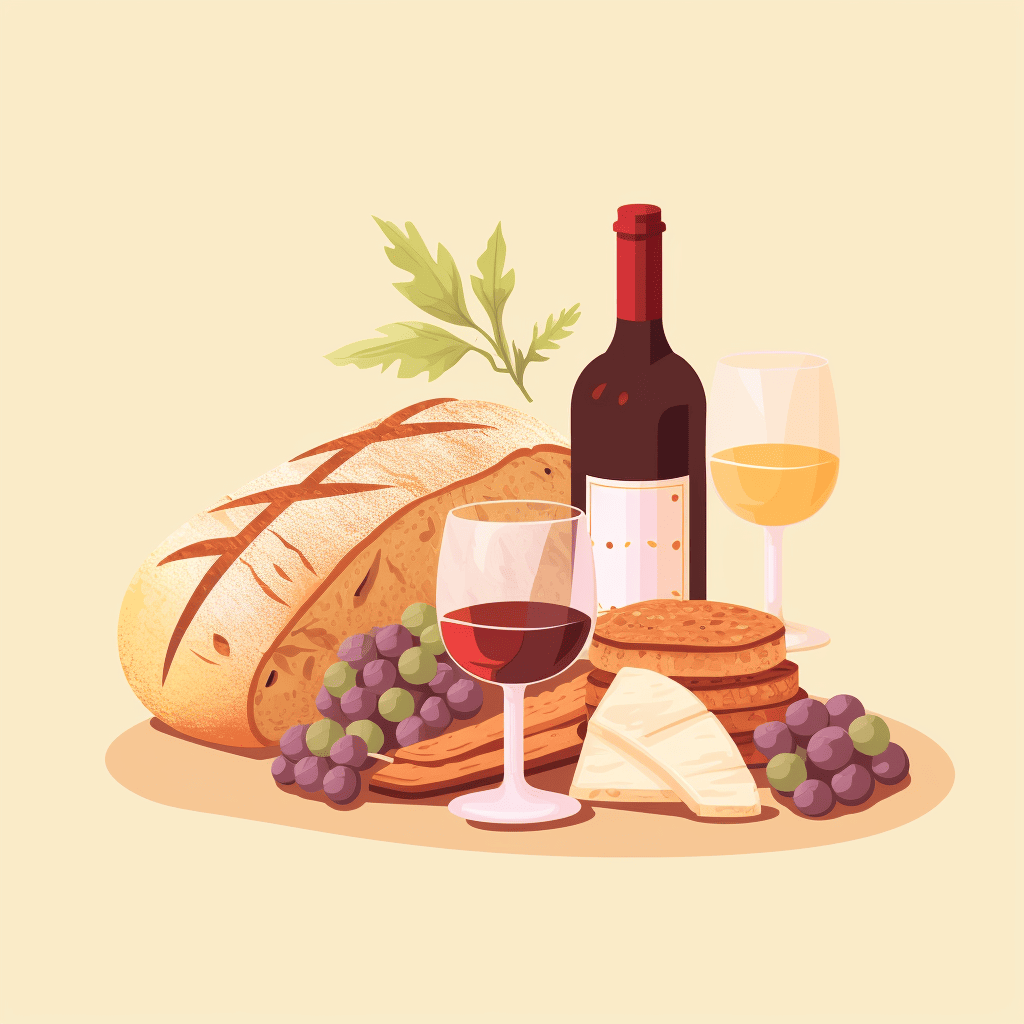
French Norms23. Cheek Kissing as a Greeting24. Not Rushing Through Meals25. Not Speaking Loudly in Public26. Drinking Wine During Meals27. Using “Monsieur” or “Madame"28. Bread at Every Meal29. Fashion Sense30. Being Direct
Cheek Kissing as a Greeting24. Not Rushing Through Meals25. Not Speaking Loudly in Public26. Drinking Wine During Meals27. Using “Monsieur” or “Madame"28. Bread at Every Meal29. Fashion Sense30. Being Direct
Cheek Kissing as a Greeting
Not Rushing Through Meals
Not Speaking Loudly in Public
Drinking Wine During Meals
Using “Monsieur” or “Madame”
Bread at Every Meal
Fashion Sense
Being Direct
Ubuntu Philosophy
Braai (BBQ)
Using Local Languages for Greetings
Being Punctual
35 Respecting Elders
- Community Events
British Norms38. Queuing39. Afternoon Tea40. Avoiding Small Talk With Strangers41. Punctuality42. Using “Sir” or “Madam”
Queuing39. Afternoon Tea40. Avoiding Small Talk With Strangers41. Punctuality42. Using “Sir” or “Madam”
Queuing
Afternoon Tea
Avoiding Small Talk With Strangers
Punctuality
Using “Sir” or “Madam”
Chinese Norms43. Giving and Receiving Business Cards with Both Hands44. Not Sticking Chopsticks Upright into a Bowl of Rice45. Red as a Lucky Color46. Avoiding the Number 447. Avoiding Public Displays of Affection
Giving and Receiving Business Cards with Both Hands44. Not Sticking Chopsticks Upright into a Bowl of Rice45. Red as a Lucky Color46. Avoiding the Number 447. Avoiding Public Displays of Affection
Giving and Receiving Business Cards with Both Hands
Not Sticking Chopsticks Upright into a Bowl of Rice
Red as a Lucky Color
Avoiding the Number 4
Avoiding Public Displays of Affection
Brazilian Norms48. Cheek Kissing as a Greeting49. Sharing Food50. Being Expressive51. Being Late is Acceptable52. Soccer as a Social Activity
Cheek Kissing as a Greeting49. Sharing Food50. Being Expressive51. Being Late is Acceptable52. Soccer as a Social Activity
Cheek Kissing as a Greeting
Sharing Food
Being Expressive
Being Late is Acceptable
Soccer as a Social Activity
Australian Norms53. Casual Greetings54. Bringing a “Plate"55. Respect for Nature56. Mateship57. No Tipping
Casual Greetings54. Bringing a “Plate"55. Respect for Nature56. Mateship57. No Tipping
Casual Greetings
Bringing a “Plate”
Respect for Nature
Mateship
No Tipping
German Norms58. Punctuality59. Formal Titles60. Not Jaywalking61. Separating Trash62. Shaking Hands
Punctuality59. Formal Titles60. Not Jaywalking61. Separating Trash62. Shaking Hands
Punctuality
Formal Titles
Not Jaywalking
Separating Trash
Shaking Hands
Russian Norms63. Not Smiling at Strangers64. Bringing a Gift When Visiting Someone’s Home65. Toasting Before Drinking66. Not Whistling Indoors67. Sitting Down Before a Journey
Not Smiling at Strangers64. Bringing a Gift When Visiting Someone’s Home65. Toasting Before Drinking66. Not Whistling Indoors67. Sitting Down Before a Journey
Not Smiling at Strangers
Bringing a Gift When Visiting Someone’s Home
Toasting Before Drinking
Not Whistling Indoors
Sitting Down Before a Journey
Italian Norms68. Kissing on Both Cheeks69. Gesturing While Talking70. Dressing Well71. Serving Coffee After Meals72. Never Serve Cappuccino During Dinner
Kissing on Both Cheeks69. Gesturing While Talking70. Dressing Well71. Serving Coffee After Meals72. Never Serve Cappuccino During Dinner
Kissing on Both Cheeks
Gesturing While Talking
Dressing Well
Serving Coffee After Meals
Never Serve Cappuccino During Dinner
Mexican Norms73. Late Arrivals74. Using Formal Titles75. Offering Food to Guests76 Avoiding Conflict in Conversation77. Family is Paramount
Late Arrivals74. Using Formal Titles75. Offering Food to Guests76 Avoiding Conflict in Conversation77. Family is Paramount
Late Arrivals
Using Formal Titles
Offering Food to Guests
76 Avoiding Conflict in Conversation
- Family is Paramount
Canadian Norms78. Saying “Sorry” Often79. Holding the Door80. Regional Language Differences81. Ice Hockey Etiquette82. Removing Shoes When Entering a Home
Saying “Sorry” Often79. Holding the Door80. Regional Language Differences81. Ice Hockey Etiquette82. Removing Shoes When Entering a Home
Saying “Sorry” Often
Holding the Door
Regional Language Differences
Ice Hockey Etiquette
Removing Shoes When Entering a Home
Spanish Norms83. Late-night Socializing84. Siestas85. Two Kisses as a Greeting86. Speaking Loudly87. Tapas Culture
Late-night Socializing84. Siestas85. Two Kisses as a Greeting86. Speaking Loudly87. Tapas Culture
Late-night Socializing
Siestas
Two Kisses as a Greeting
Speaking Loudly
Tapas Culture
Nigerian Norms88. Respect for Elders89. Sharing Food90. Avoiding Left Hand for Gestures91. Religion in Daily Life92. Dressing for Occasions
Respect for Elders89. Sharing Food90. Avoiding Left Hand for Gestures91. Religion in Daily Life92. Dressing for Occasions
Respect for Elders
Sharing Food
Avoiding Left Hand for Gestures
Religion in Daily Life
Dressing for Occasions
Saudi Arabian Norms93. Gender Segregation94. Dress Codes for Women95. Avoiding Pork and Alcohol96. Frequent Prayer97. Use of Titles
Gender Segregation94. Dress Codes for Women95. Avoiding Pork and Alcohol96. Frequent Prayer97. Use of Titles
Gender Segregation
Dress Codes for Women
Avoiding Pork and Alcohol
Frequent Prayer
Use of Titles
Swedish Norms98. Fika Break99. Personal Space100. Taking Off Shoes Indoors101. Gender Equality102. Recycling
Fika Break99. Personal Space100. Taking Off Shoes Indoors101. Gender Equality102. Recycling
Fika Break
Personal Space
Taking Off Shoes Indoors
Gender Equality
Recycling
Bowing
Using Both Hands
Avoiding Eye Contact with Elders
Spicy Food
Filipino Norms108. “Mano Po” as a Greeting109. Karaoke as a Social Activity110. Community Support (“Bayanihan”)111. Eating with Hands (“Kamayan”)112. Late-night Social Meals (“Pulutan”)
“Mano Po” as a Greeting109. Karaoke as a Social Activity110. Community Support (“Bayanihan”)111. Eating with Hands (“Kamayan”)112. Late-night Social Meals (“Pulutan”)
“Mano Po” as a Greeting
Karaoke as a Social Activity
Community Support (“Bayanihan”)
Eating with Hands (“Kamayan”)
Late-night Social Meals (“Pulutan”)
Turkish Norms113. Offering Tea or Coffee114. Kissing on Both Cheeks115. Taking Off Shoes116. Using “Abla” or “Ağabey” for Strangers117. Breakfast as a Family Event
Offering Tea or Coffee114. Kissing on Both Cheeks115. Taking Off Shoes116. Using “Abla” or “Ağabey” for Strangers117. Breakfast as a Family Event
Offering Tea or Coffee
Kissing on Both Cheeks
Taking Off Shoes
Using “Abla” or “Ağabey” for Strangers
Breakfast as a Family Event
Argentine Norms118. Late Dinners119. Mate Tea Sharing120. Speaking Loudly and With Gestures121. Argentine Tango122. Football (Soccer) as a Religion
Late Dinners119. Mate Tea Sharing120. Speaking Loudly and With Gestures121. Argentine Tango122. Football (Soccer) as a Religion
Late Dinners
Mate Tea Sharing
Speaking Loudly and With Gestures
Argentine Tango
Football (Soccer) as a Religion
Egyptian Norms123. Using “Inshallah"124. Offering Food to Visitors125. Male-Female Interactions126. Respecting Ramadan Rules127. Not Using the Sole of Your Foot to Point
Using “Inshallah"124. Offering Food to Visitors125. Male-Female Interactions126. Respecting Ramadan Rules127. Not Using the Sole of Your Foot to Point
Using “Inshallah”
Offering Food to Visitors
Male-Female Interactions
Respecting Ramadan Rules
Not Using the Sole of Your Foot to Point
Thai Norms128. Wai Greeting129. Respecting the Royal Family130. Removing Shoes131. No Touching of Heads132. Eating With a Spoon
Wai Greeting129. Respecting the Royal Family130. Removing Shoes131. No Touching of Heads132. Eating With a Spoon
Wai Greeting
Respecting the Royal Family
Removing Shoes
No Touching of Heads
Eating With a Spoon
Colombian Norms133. Dance Culture134. Offering Coffee135. Using Formal Titles136. Loud Conversations137. Visiting During Holidays
Dance Culture134. Offering Coffee135. Using Formal Titles136. Loud Conversations137. Visiting During Holidays
Dance Culture
Offering Coffee
Using Formal Titles
Loud Conversations
Visiting During Holidays
Swiss Norms138. Punctuality139. Recreational Hiking140. Discreetness141. Neutrality in Discussions142. Waste Sorting
Punctuality139. Recreational Hiking140. Discreetness141. Neutrality in Discussions142. Waste Sorting
Punctuality
Recreational Hiking
Discreetness
Neutrality in Discussions
Waste Sorting
Saying “Opa!” in Celebrations
The “Mati” or Evil Eye Symbol
Fasting During Religious Periods
“Philoxenia” or Love for Strangers
Group Dancing at Celebrations
Kenyan Norms149. Harambee150. “Hodi!” When Entering a Home151. Wrist Snap Handshake152. Nyama Choma Socials153. Offering the Right Hand154. Carrying Objects on the Head
Harambee150. “Hodi!” When Entering a Home151. Wrist Snap Handshake152. Nyama Choma Socials153. Offering the Right Hand154. Carrying Objects on the Head
Harambee
“Hodi!” When Entering a Home
Wrist Snap Handshake
Nyama Choma Socials
Offering the Right Hand
Carrying Objects on the Head
ConclusionRelated posts:
Related posts:
Norms and Tourism
Traveling is super fun and helps us learn a lot about the world. But when we go to new places, we enter a world with new rules and ways of doing things. It’s important to respect these to make the trip better for everyone. Here are some easy-to-follow tips:
Before you go somewhere new, look up what people there normally do and don’t do. You can use the internet orread travel booksto find out more.
Some places have rules about what you can wear, especially at religious spots. For example, in some countries, women need to cover their hair with a scarf. Make sure you know these rules before you go.
You don’t have to speak the language perfectly, but learning a few words like “hello” and “thank you” can make people really happy and show that you care. Apps likeDuoLingoandRosetta Stoneoffer quick and easy language learning tools.
In some places, taking pictures of people or certain places without asking can be seen as rude. Always ask if it’s okay before you take a photo.
Different countries have different rules for eating. For example, in Japan, there’s a correct way to use chopsticks. Try to learn these rules before you eat with locals.
People usually like it when visitors join in their traditions. But make sure you’re not doing too much or doing it the wrong way. Always ask if you’re not sure.
Some places have very old buildings or religious things. Always treat these with respect. Never touch or damage them.
In some places, not following local rules can get you in trouble with the law. For example, in Singapore, throwing trash on the ground can result in a fine.
Sometimes you might not know what to do. In such cases, it’s a good idea to watch what the local people are doing and do the same.
By following these tips, you show respect for the places you visit. Plus, you make your own trip much more fun and interesting.
Common Social Norms Across Cultures
It’s considered polite to say “please” when asking for something and “thank you” when receiving something.
This is a common way to greet people in many Western countries.
 hand shake

When talking to someone, making eye contact usually shows you’re paying attention.
It’s polite and hygienic to cover your mouth with your elbow when you cough or sneeze.
People are expected to wait their turn in line without cutting ahead.
United States Norms
In the United States, it’s normal to leave a tip of 15-20% for good service.
Some families prefer guests to remove their shoes before entering the home.
It’s common to hold the door open for the person coming in behind you.
It’s customary to say this as a polite gesture.
These topics are often avoided to keep the conversation light.
Japanese Norms
In Japan, people bow to each other to show respect.
This is a must in many Japanese homes.
Contrary to Western norms, slurping noodles is considered polite and indicates that the food is delicious.
Tipping is often considered rude in Japan.
This shows respect and attentiveness.
Adding the suffix “San” after someone’s name is a polite form of address.
Quietness is valued in public spaces like trains and restaurants.
Indian Norms
Folding your hands and saying “Namaste” is a common greeting.
In many parts of India, eating with your hands is normal and even encouraged.
Due to Hindu religious beliefs, beef is generally avoided.
Especially for women, wearing revealing clothing is often frowned upon.
Arranged marriages are still prevalent and socially accepted.
French Norms
In France, it’s common to greet people with a kiss on both cheeks.
Meals are often long, social events.
Speaking loudly is often seen as disruptive.
Wine is often considered a staple during lunch and dinner.
Formal titles are important in social and business settings.
Bread is commonly served with most meals.
Dressing well is considered important in many social situations.
French people often appreciate directness and candor in conversation.
South African Norms
The idea that “I am because we are” is prevalent in South Africa.
Social gatherings around a grill are common and encouraged.
“Hello” in Zulu is “Sawubona” and in Afrikaans, it’s “Hallo”.
Being on time is considered respectful.
It’s considered very important to show respect to older individuals.
First-name usage is often acceptable even in professional settings.
Participation in local community events, such as festivals, is common.
British Norms
British people are known for forming orderly queues and waiting their turn.
Taking time in the afternoon for tea and snacks is a cherished tradition.
It’s generally not customary to engage in small talk with strangers, especially on public transportation.
Being on time is highly valued.
Using these formal titles is considered polite in various social settings.
Chinese Norms
This is a sign of respect.
This resembles a funeral ritual and is considered disrespectful.
Red is often used in festivals, weddings, and other celebratory events.
The number 4 is avoided as it sounds like the word for “death” in Chinese.
It’s rare to see public displays of affection, like hugging and kissing.
Brazilian Norms
One or two cheek kisses are common when greeting someone.
Sharing food from a communal dish is often seen at social gatherings.
Brazilians are known for their expressive body language.
Being a bit late is often considered normal and acceptable.
Watching or playing soccer is a popular social activity.
Australian Norms
Using “G’day” or “How ya goin’?” are popular ways to greet someone informally.
When invited to someone’s home, it’s often expected that you’ll bring a dish to share.
Australians value their natural surroundings and often engage in outdoor activities.
Friendship and solidarity are important cultural values.
Tipping isn’t generally expected in restaurants or bars.
German Norms
Being on time is considered very important in Germany.
Using “Herr” for Mr. and “Frau” for Mrs. is common and considered polite.
People wait for the green pedestrian light, even if no cars are coming.
Recycling is taken seriously, and people are expected to separate their waste.
A firm handshake is a common greeting and seen as a sign of respect.
Russian Norms
Smiling without a reason can be viewed as insincere.
It’s considered polite to bring a small gift or flowers.
Offering a toast before drinking, especially vodka, is a common ritual.
Whistling inside a building is considered bad luck.
It’s a tradition to sit for a moment in silence before embarking on a journey.

Italian Norms
A light peck on both cheeks is a common greeting.
Italians are known for using hand gestures to emphasize points.
Appearance and fashion are considered important.
Coffee, especially espresso, is often served after meals but rarely during.
Cappuccino is considered a breakfast drink.
Mexican Norms
Being a little late is generally accepted in social settings.
Using “Señor” or “Señora” is considered respectful.
It’s common to offer food to guests, even if it’s not mealtime.
Direct confrontation or disagreement is often avoided in conversation.
Family values are deeply ingrained in the culture.
Canadian Norms
Canadians are known for being polite and saying “sorry” even when it might not be necessary.
Like in the United States, it’s common to hold the door for others.
In Quebec, speaking French is the norm.
Cheering for the local ice hockey team is a popular social activity.
Many Canadians prefer guests to take off their shoes.
Spanish Norms
It’s common for social gatherings and dinners to extend into late hours.
Afternoon rests or naps are culturally accepted.
A kiss on each cheek is standard when greeting someone.
Compared to other European countries, talking at a higher volume is more socially accepted.
Sharing small dishes, or tapas, is a common way to enjoy a meal.
Nigerian Norms
Older people are treated with a great deal of respect, including using specific greetings for elders in tribal languages.
When you have food, it’s customary to offer it to others around you.
The left hand is considered unclean, so avoid using it to make gestures or to eat.
Religious practices and references are incorporated into daily life and conversations.
Special events call for colorful and elaborate traditional attire.
Saudi Arabian Norms
In many public spaces, men and women are separated.
Women are expected to wear an abaya, a loose-fitting black cloak.
These items are prohibited due to Islamic law.
Muslim residents pause for prayer five times a day, and many businesses close during these times.
Using a person’s full title is considered a sign of respect.
Swedish Norms
A coffee and socializing break known as “fika” is common in workplaces and social settings.
Maintaining a comfortable distance during conversations is important.
Like in many other countries, it’s customary to remove shoes when entering someone’s home.
Gender-neutral language and roles are highly encouraged.
Swedes take recycling seriously, even separating food waste for composting.
South Korean Norms
A slight bow is a common form of greeting.
Offering or receiving something with both hands shows respect.
Direct eye contact with someone older can be seen as disrespectful.
Writing someone’s name in red ink is considered bad luck or symbolic of death.
The love for spicy food, especially kimchi, is a shared cultural norm.
Filipino Norms
Touching the hand to the forehead is a traditional way to greet elders.
Karaoke is often part of social gatherings and celebrations.
Helping each other in the community, especially during events like moving houses, is encouraged.
In some settings, eating with your hands is considered normal.
Late-night meals shared with company often accompany social drinking events.

Turkish Norms
Offering tea or Turkish coffee to guests is a sign of hospitality.
A kiss on each cheek is a common greeting, especially among close friends and family.
Removing shoes when entering someone’s home is customary.
These terms mean “sister” and “brother” and are used for strangers to show respect.
Breakfast is often an elaborate family affair, especially on weekends.
Argentine Norms
Dinner often starts late, sometimes around 9 PM or even later.
Sharing this traditional tea from a communal gourd is a social activity.
Expressive body language and a louder volume are common in conversation.
This dance form is not just popular but also a significant aspect of national identity.
Football is more than just a game; it’s a cultural cornerstone.
Egyptian Norms
This term, meaning “God willing,” is often used in conversations about future plans.
It’s a custom to offer food or drink to guests.
Public displays of affection between men and women are usually frowned upon.
During Ramadan, eating, drinking, or smoking in public during daylight is discouraged.
The sole of the foot is considered unclean; avoid using it to point at things or people.
Thai Norms
A greeting involving a slight bow with palms pressed together.
Criticizing or disrespecting the royal family is a serious offense.
It’s a common practice to take off shoes when entering someone’s home.
The head is considered the most sacred part of the body; avoid touching anyone’s head.
Rather than using forks or hands, a spoon is often used as the main eating utensil.
Colombian Norms
Salsa and other forms of dance are integral to social gatherings.
Offering a cup of coffee is a common social gesture.
“Señor” or “Señora” is often used in formal or business settings.
Talking loudly is generally acceptable, especially in informal settings.
It’s customary for people to visit their families in their hometowns during major holidays.
Swiss Norms
Being on time is highly valued, both in social and business settings.
Hiking is a common social activity and widely considered a part of the national culture.
Privacy and discretion are highly valued; people usually avoid sharing personal information in public.
In line with Switzerland’s political neutrality, people often avoid taking sides in arguments.
Much like in Germany and Sweden, waste sorting and recycling are taken seriously.
Greek Norms
The exclamation “Opa!” is often used during celebrations and gatherings, especially during dances.
In Greece, celebrating one’s name day— the feast day of the saint one is named after— is often considered more important than a birthday.
The “Mati” is a blue and white eye-shaped symbol thought to ward off the evil eye. You’ll often see this symbol in homes, cars, or worn as jewelry.
Fasting from certain foods is commonly practiced during specific periods in the Greek Orthodox Church, such as Lent and Christmas.
The concept of “Philoxenia” describes a cultural obligation to be hospitable to strangers or guests. It’s common for Greeks to offer food, drink, or even lodging to visitors, sometimes going to great lengths to ensure their guest’s comfort.
Traditional Greek dances are an important part of social gatherings and celebrations. At events like weddings, festivals, and family gatherings, it’s common to see people participating in group dances like the “Sirtaki” or “Kalamatianos.”
Kenyan Norms
A Swahili term meaning “all pull together,” often used to describe community self-help events and collective action.
In many Kenyan communities, it is customary to shout “Hodi!” which means “May I come in?” when entering someone’s home.
In Kenya, especially among men, a popular informal form of greeting is the wrist snap handshake, which involves snapping each other’s middle finger during a handshake.
Nyama Choma, or “roasted meat,” is more than just a meal; it’s a social event. These gatherings often take place on weekends or during special occasions and holidays. Families and friends come together to roast meat, usually goat, beef, or chicken.
In Kenya, as in many other cultures, it is important to give and receive items, including money, with the right hand.
Especially in rural areas, it’s common to see women carrying heavy loads balanced on their heads. This technique is often used for transporting goods like food, water, or firewood.
Conclusion
We’ve covered a lot of ground, from what social norms are to how they show up in different places around the world. We also gave you some tips for how to respect these norms when you’re traveling.
Knowing about social norms isn’t just interesting; it helps us connect with people in a better way. It shows we respect them and their way of life, which is super important, especially when we’re guests in someone else’s home country.
So the next time you’re getting ready to travel or even just curious about how people do things in other places, remember the power of understanding and respecting social norms. It can make your experiences richer, and hey, it’s also just the right thing to do!
And if you’re interested in how these norms are constructed, you can check outour article about social constructs.
It’s essential to note that these are general orstereotypical normsand may not fully represent the diversity within each culture, sub-culture, or individual.
This list is not exhaustive and serves as a brief overview. Many of the norms mentioned may have deeper cultural significance or complexities that are not captured here. It’s always best to approach each culture with an open mind and a willingness to understand its unique nuances.
Related posts:53+ Deviance Examples in Sociology (Definition + Theories)Social Institutions (Definition + 7 Examples)37+ Social Construct Examples (Definition + Game)Nuclear Family (Definition + History)Body Language Basics - How to Read Someone
Reference this article:Practical Psychology. (2023, August).151+ Social Norms Examples (Cultures + Travel Tips).Retrieved from https://practicalpie.com/social-norms-examples/.Practical Psychology. (2023, August). 151+ Social Norms Examples (Cultures + Travel Tips). Retrieved from https://practicalpie.com/social-norms-examples/.Copy
Reference this article:
Practical Psychology. (2023, August).151+ Social Norms Examples (Cultures + Travel Tips).Retrieved from https://practicalpie.com/social-norms-examples/.Practical Psychology. (2023, August). 151+ Social Norms Examples (Cultures + Travel Tips). Retrieved from https://practicalpie.com/social-norms-examples/.Copy
Copy
